
Posted on: 16 October 2026
Leadership through relationships: My leadership journey across West Yorkshire
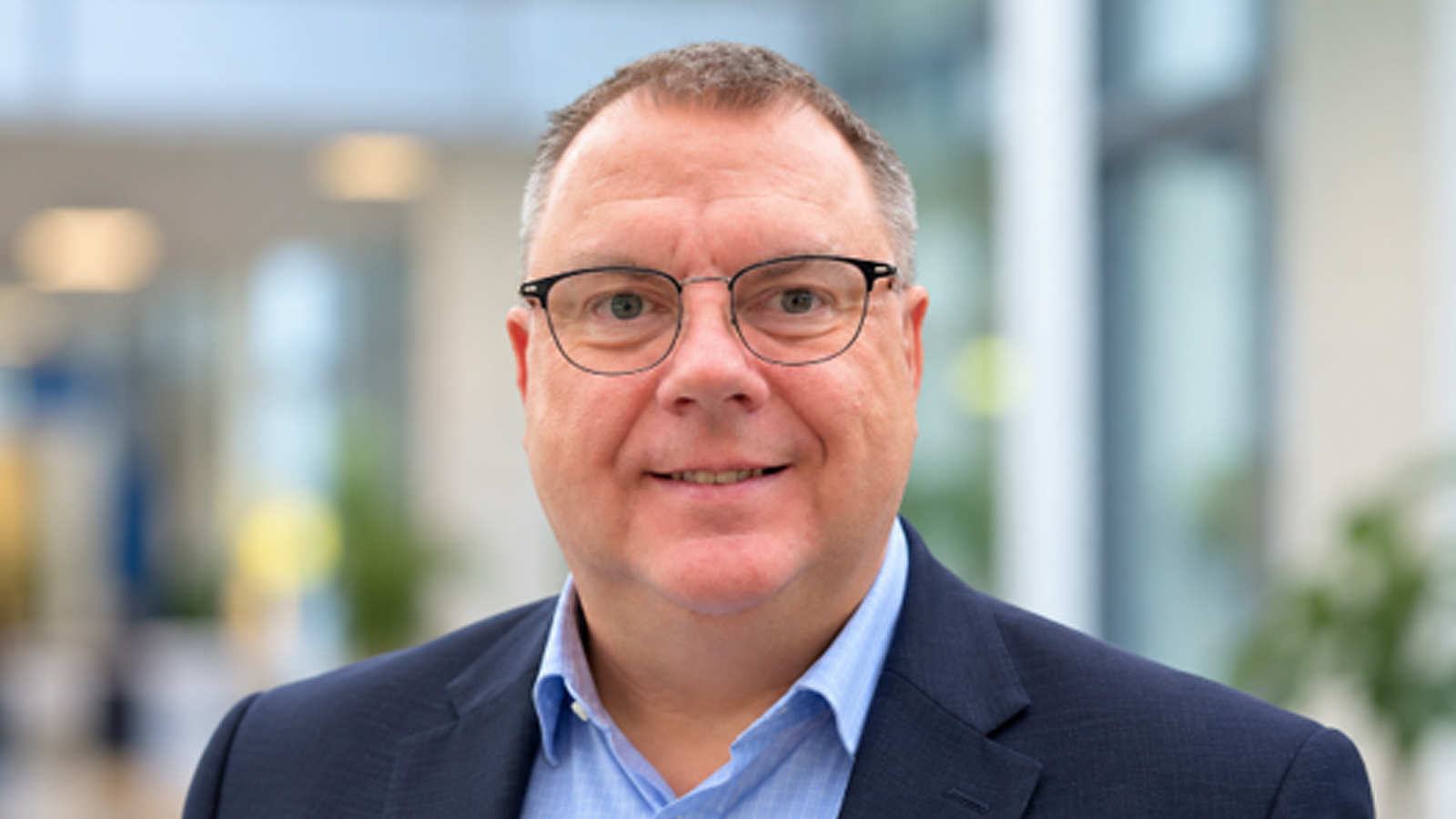 “When times are tough, relationships, trust and connection are what help us get things done.”
A personal reflection
I have been reflecting on what I have learned since returning to West Yorkshire, first joining the ICB in Kirklees and Calderdale in April 2025 and then moving to Leeds in April 2026.
Returning to West Yorkshire has reminded me that leadership in an integrated care system is about much more than structures, strategies and leadership theory. When we need to make things happen, relationships matter.
Seeing the system through people’s experiences
One of the highlights of my time in Kirklees and Calderdale was co-leading the SEND inspections. Meeting colleagues across health, local government, education, and the voluntary and third sectors gave me a much better understanding of the work happening on the frontline and the impact it has on children, young people and families.
Since moving to Leeds, I have had similar opportunities to visit schools and specialist settings, speak with children and staff, and see both the successes and the challenges of SEND provision. As a nurse leader, it has reinforced the importance of being visible, listening and understanding what sits behind the data.
The value of relationships
Returning to Leeds also meant developing new relationships while reconnecting with people I had worked with around 13 years ago. Although I was new to many colleagues, some already knew of me and my reputation. That helped build trust quickly and allowed us to focus on what mattered.
For me, psychological safety is a key part of this. People need to feel able to say, “I’m worried about this”, “I don’t agree” or “I think we have missed something”. The strongest relationships make honest challenge possible.
Learning across organisational boundaries
Patient safety investigations have provided another powerful example. I have seen multiple providers come together with a genuine commitment to understand what happened and identify learning.
These investigations take time and resources, but their value is greatest when the learning is shared beyond the organisation where the incident occurred. A decision that makes sense in one part of the NHS can have an unintended consequence elsewhere in a patient’s journey.
That is why system working matters - we need to widen the lens and ask what the learning means for patients and staff at place and, where appropriate, across West Yorkshire.
What I continue to learn about leadership
My experience so far has reinforced a simple lesson - use the data, listen to staff and patients, understand the wider system and build relationships before you need them.
Relationships do not replace evidence or professional judgement. They create the trust needed to use both well - to challenge, learn and act together.
There are real challenges across the NHS and West Yorkshire, but there are also enormous strengths. The opportunity is to connect those strengths, learn from what is difficult and keep our focus on improving outcomes and experiences for patients, children, young people, families and staff.
Returning to West Yorkshire has reminded me that leadership is not simply about what any one of us can achieve. It is about what we can achieve together.
“The strongest systems are built on relationships: people who trust each other enough to listen, challenge, learn and act together.”
Thank you for reading.
Ian
Leadership changes at Bradford District Care NHS Foundation Trust (BDCT)
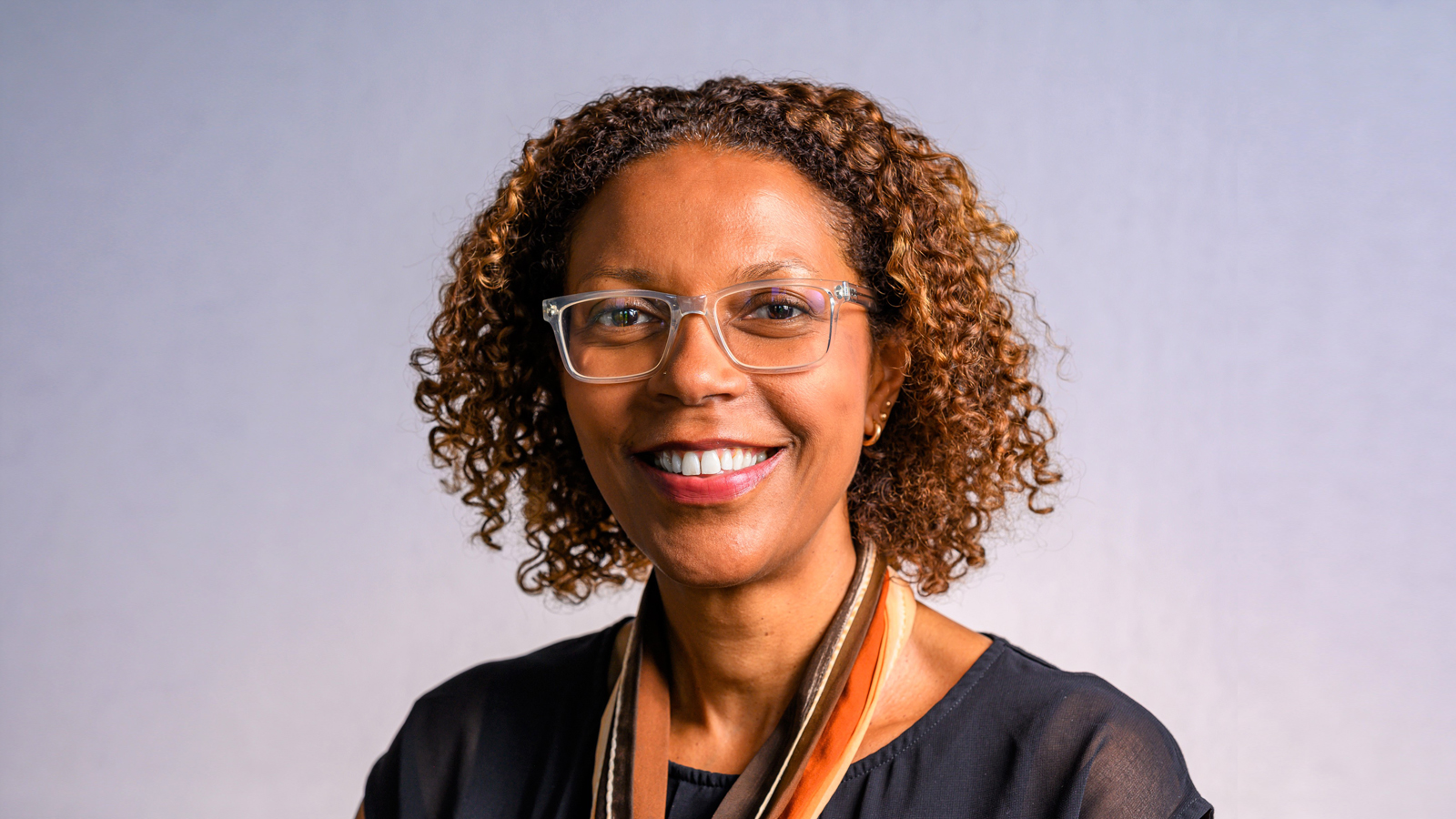
BDCT Chief Executive, Therese Patten, is being seconded to another trust for 12 months.
Therese has been asked by NHS England to lead the re-establishment of Northern Lincolnshire and Goole NHS Foundation Trust (NLaG) as a separate organisation. This follows the decision to end its shared leadership model with Hull University Teaching Hospitals NHS Trust, which operates as part of the NHS Humber Health Partnership.
Phil Hubbard, the trust’s current Deputy Chief Executive and Director of Nursing, Professions and Care Standards, will become Acting Chief Executive Officer.
Following an open recruitment process, Dr Sal Uka, the trust’s interim Chief Medical Officer, has been appointed to the substantive role, subject to the usual Board recruitment checks.
World Mental Health Day 2026
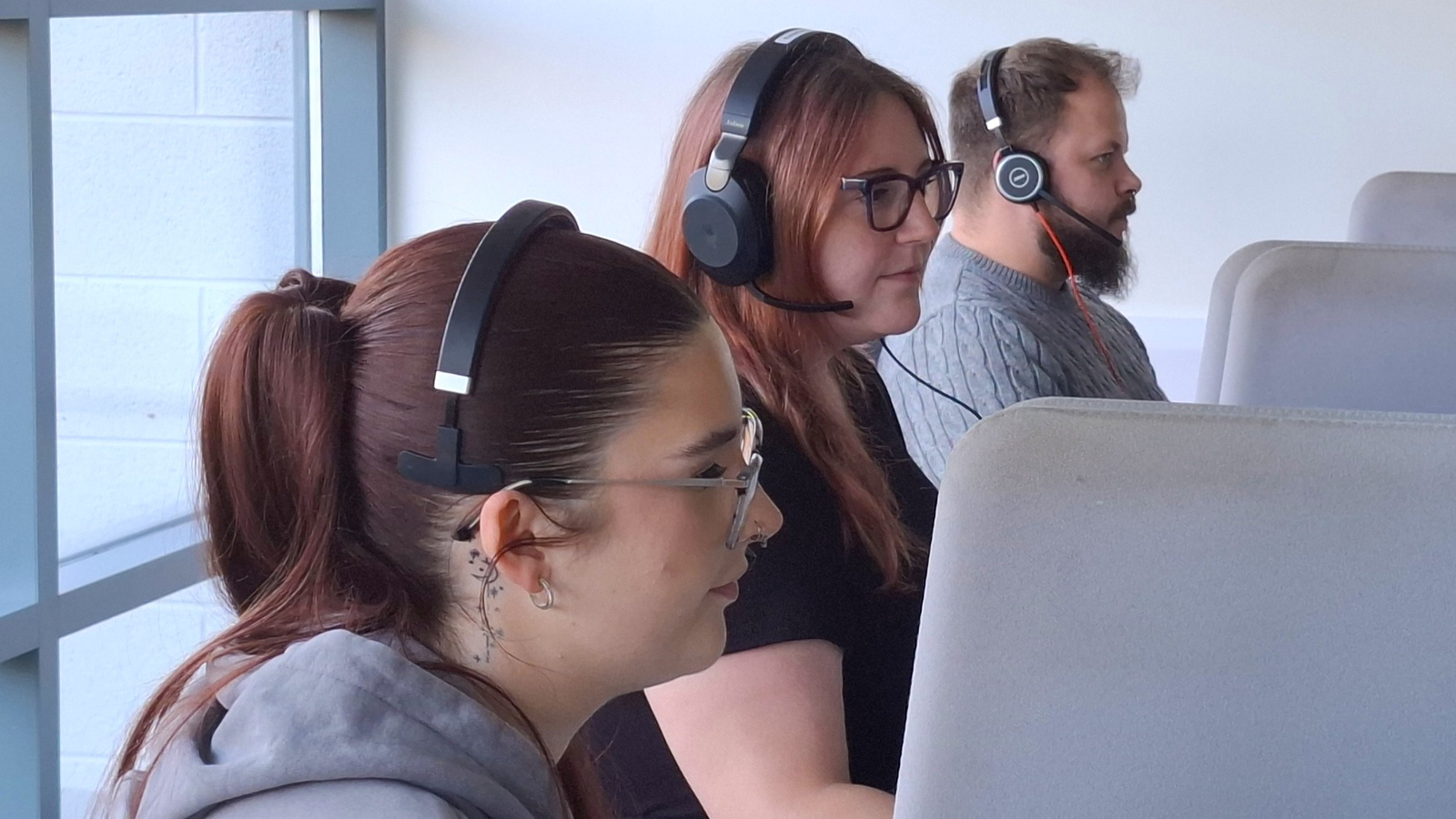
Last week saw the 2026 World Mental Health Day on 10 October. The annual campaign aims to remind everyone why good mental health is so important, that conversations about mental health really do make a difference, and to encourage people to talk openly and seek help when they need it.
People across West Yorkshire are now routinely contacting NHS 111 for their urgent mental health needs. The service routes people through to professional call handlers employed by Nottingham Community Housing Association (NCHA) which delivers the NHS111 mental health service on behalf of NHS West Yorkshire Integrated Care Board (ICB) - working 24 hours a day, seven days a week, responding to around 4,000 calls every month for the areas they serve.
Thanks to expertise provided by crisis services at Leeds and York Partnership NHS Foundation Trust, NCHA call handlers are constantly improving the way they respond to the variety and complexity of calls they receive. Find out more on the trust website.
How vocational rehabilitation can support a safe return to work
A new video shows how vocational rehabilitation can help people living with a long-term health condition return to work with confidence and stay well at work long term. The video focuses on practical steps people can take before and during their return to work. This includes gradually rebuilding activity, preparing for job tasks, keeping in touch with employers and discussing reasonable adjustments. It also explains important employment rights.
Watch the video to find out more and see the case study on the Healthy Working Life website pages. The video is available with English, Panjabi, Polish and Urdu subtitles. The long-term conditions in the workplace website pages have more information and resources.
The video is one of our Healthy Working Life activities, a joint programme of the NHS West Yorkshire Integrated Care Board and West Yorkshire Combined Authority.
Celebrating AHP Day 2026 - access our videos and podcasts, and join the AHP Forum
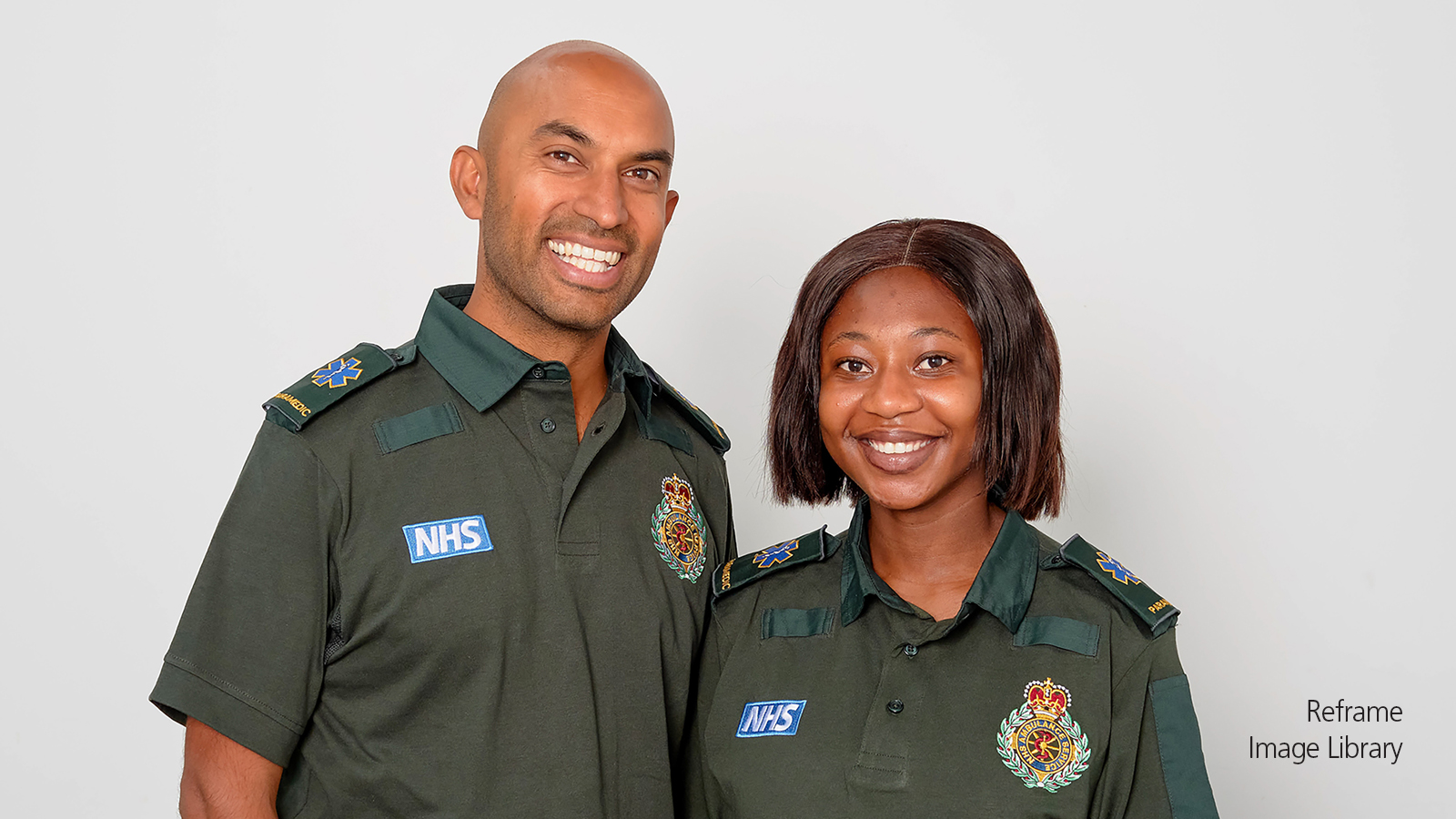
This week, West Yorkshire and Harrogate Cancer Alliance joined forces with Allied Health Professionals across the area to celebrate AHP Day 2026 and to recognise the vital contribution that AHPs make to multidisciplinary cancer care.
AHPs are the third largest clinical workforce in the NHS, working across health and care, supporting people from prevention and diagnosis, through treatment, rehabilitation and recovery. They comprise a number of different professional groups - art, drama and music therapists, dietitians, occupational therapists, operating department practitioners, orthoptists, osteopaths, paramedics, physiotherapists, podiatrists, prosthetists and orthotists, radiographers, and speech and language therapists.
The West Yorkshire and Harrogate Cancer AHP Forum brings together AHPs working in cancer, providing an opportunity to connect with colleagues, share knowledge and good practice, learn from one another and strengthen the AHP voice across cancer care.
The Cancer AHP Forum is open to all AHPs working across cancer services in West Yorkshire and Harrogate and the next one takes place on Thursday 12 November from 12.00pm to 1.00pm. Learn more on the Cancer AHP Forum web pages.
To mark AHP Day, the Cancer Alliance workforce team, along with colleagues in the wider NHS, have produced a series of videos and podcasts. Access them all on the Cancer Alliance website.