

Posted on: 17 November 2026
Imagine surviving a cardiac event and then being asked, ‘When are you going back to work?’ For many people, that question is far more daunting than climbing stairs again.
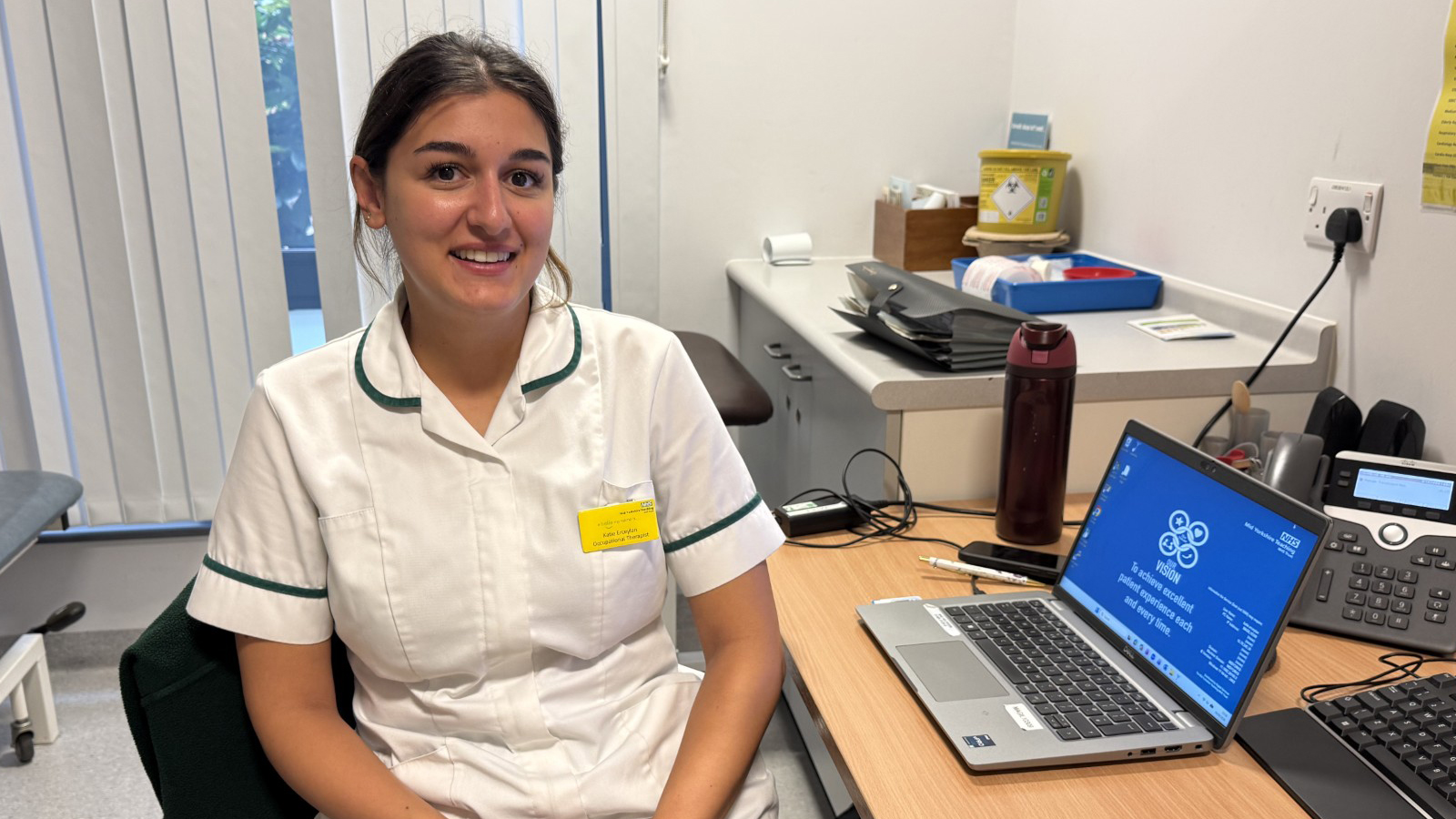 As occupational therapists, we look beyond diagnosis. We understand the individual’s personal and domestic activities, fatigue, sleep routine, cognition and work demands - helping patients return to work safely and sustainably.
Vocational rehabilitation (VR) is recognised as an important aspect of recovery following a cardiac event. However, dedicated occupational therapist (OT) roles remain relatively uncommon across the UK. For many individuals, work provides more than just financial security - it offers routine, purpose, confidence and social interaction. However, returning to work can present physical, cognitive and emotional challenges that require careful assessment and appropriate support.
At Mid Yorkshire Teaching NHS Trust (MYTT), we have been granted funding for a 12-month pilot through the Healthy Working Life programme. This has allowed us to appoint a designated cardiac OT to support individuals in the Wakefield and North Kirklees district to return to or remain in work after a cardiac event. The goal is for 75 patients to receive vocational rehabilitation support and 42 to successfully return to work between April 2026 and April 2027.
The cardiac OT provides flexible one-to-one rehabilitation sessions in a variety of settings - in clinics, at home, virtually and by telephone. Support includes tailored advice on phased return-to-work plans, fatigue and sleep management.
Following collaborative MDT working, the referral pathway has been expanded to include the heart failure nursing team. The cardiac OT now accepts referrals from the MYTT cardiac nurses, heart failure nurses and physiotherapists.
This new referral pathway has already proved effective. For example, an individual was referred to cardiac OT following a heart failure diagnosis, with an ejection fraction of 20-25%. This refers to the percentage of blood your heart can pump out each time it beats, a lower number is a sign of a heart problem. They had previously worked full time during the week in an office, and at weekends in a factory. They received regular one-to-one vocational rehab and fatigue management intervention and successfully returned to their full-time job through a phased return. They were extremely grateful for the input and reported being more aware of their own limitations and better able to consistently manage work alongside personal and domestic activities of daily living.
Our service continues to grow, with new referrals almost daily and a current caseload of 93. Demand for occupational therapy intervention shows no sign of slowing. Between April 2025 and April 2026, we supported 57 individuals with vocational rehab, and 30 successfully returned to work. Since April 2026, we have already supported 77 individuals with VR, and 28 have successfully returned to work, with many others currently starting their return.
Recently, we were delighted to see our work recognised in the cardiovascular disease (CVD) Modern Service Framework. The framework showcased the cardiac occupational therapy service and noted that:
“These early results suggest that integrating work-focused support into cardiac rehabilitation can strengthen recovery and help more people stay well and remain in employment.”
This recognition highlights the positive impact of incorporating vocational support within cardiac rehabilitation pathways, helping patients achieve both improved health outcomes and sustained employment. We also acknowledge the ‘Get Britain Working White Paper’, published in 2025, and the UK Government’s target to encourage pathways that support people to return to and remain in work.
As healthcare continues to recognise the importance of VR, there is an exciting opportunity for cardiac occupational therapy to lead the way in helping individuals recover with confidence and return to meaningful lives – not just survive but thrive after a cardiac event or diagnosis.
Expanding access to specialist cardiac occupational therapy within cardiac rehabilitation services has the potential to improve patient outcomes and deliver wider socioeconomic benefits.
Recovery isn’t complete when the individual has finished their cardiac rehabilitation group. It’s complete when they regain confidence in living the life that matters to them, including returning to work.
Board appointments announced for new NHS trust based in Leeds
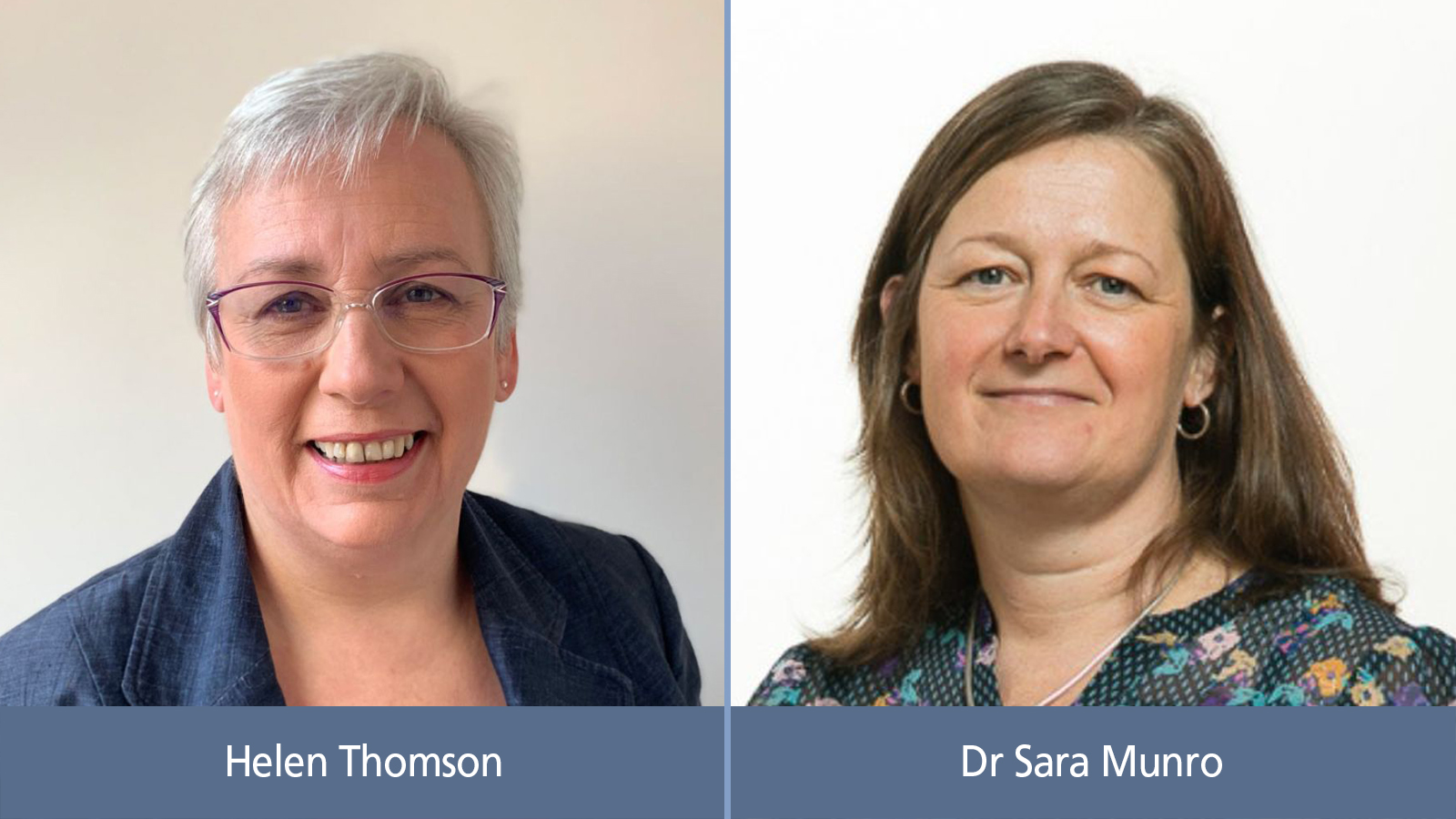
Trust board appointments have been made for what will be Leeds Partnership NHS Foundation Trust (LPFT) from 1 April 2027. This follows the merger between Leeds and York Partnership NHS Foundation Trust and Leeds Community Healthcare NHS Trust.
The Chair of LPFT was announced in September 2026 as Helen Thomson. Helen was then able to lead the Chief Executive appointment process which has ratified Dr Sara Munro as its Chief Executive.
Find the full list of executive and non-executive appointments on the LYPFT website.
West Yorkshire health and care leaders recognised
Congratulations to Foluke Ajayi (Chief Executive), Sajan Sathyan (Deputy Chief Nursing Officer) - both at Airedale NHS Foundation Trust, Therese Patten (Chief Executive, Bradford District Care Trust, currently on secondment) and Richard Stubbs (Chief Executive, Health Innovation Yorkshire and Humber), who have been recognised in The HSJ's list of the 75 most influential Black, Asian and minority ethnic people in health.
National recognition for West Yorkshire colleague
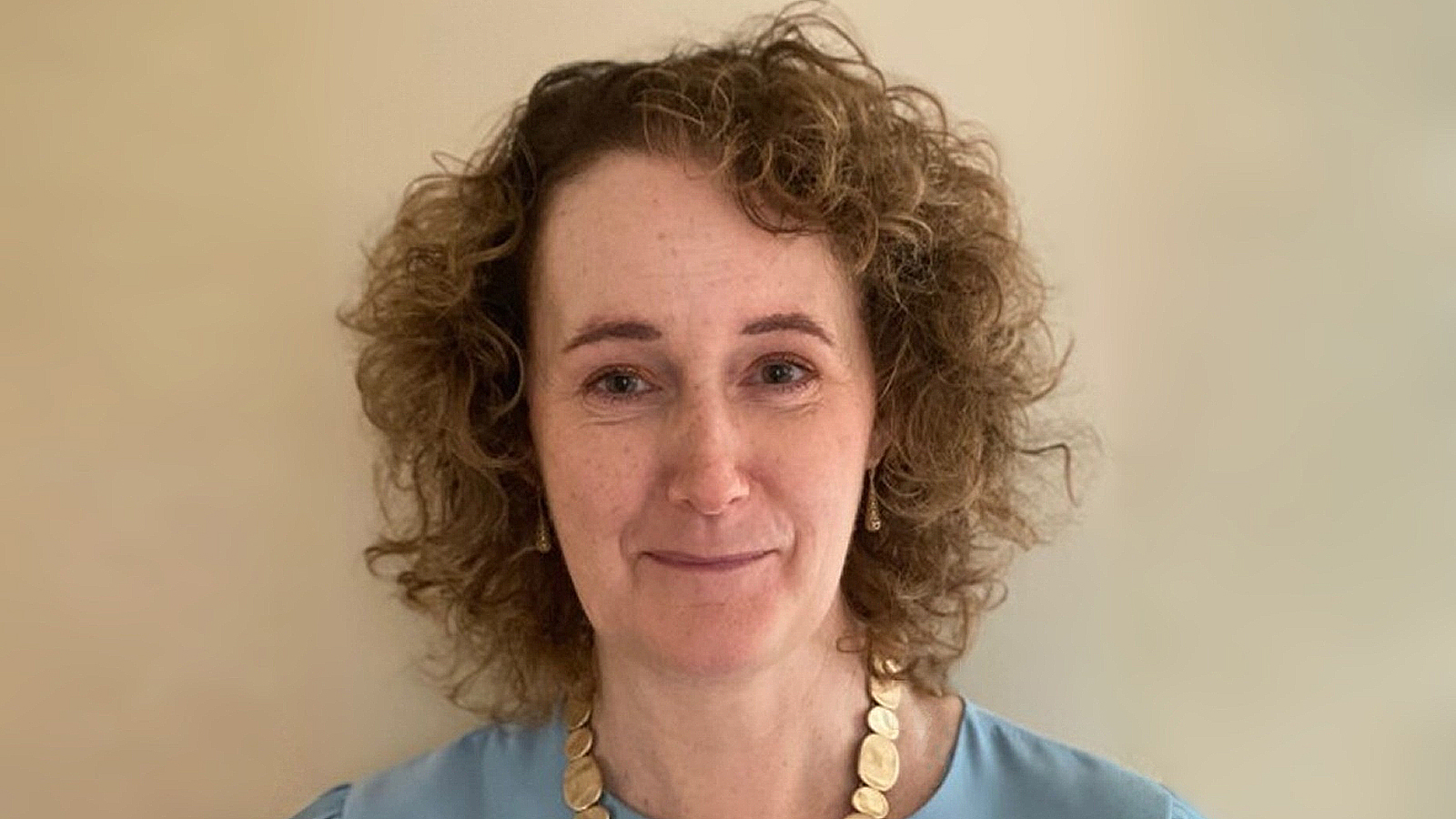
The Royal College of Pharmacy has named Consultant Pharmacist Heather Smith as this year’s winner of the Barnett Award, in recognition of her outstanding commitment to mentoring pharmacy professionals and supporting their professional development.
Throughout her career, Heather, a consultant pharmacist for older people at NHS West Yorkshire Integrated Care Board, has helped pharmacists build their clinical expertise, confidence, research and leadership skills, while advancing medicines optimisation for older people.
The Barnett Award was established in memory of esteemed Fellow Professor Nina Barnett, who died in 2023. It is awarded to Royal College of Pharmacy members who have made outstanding contributions to the development of the profession and have dedicated their careers to supporting, mentoring and advancing others. Find out more on the Partnership website.
Recognition of commitment to children and families in Calderdale
Calderdale has been recognised as one of the top 25 places in England for children and young people, in the Children’s Commissioner’s new Childhood Lottery report. The borough is one of only three local authorities in the North of England to feature in the top places for children to grow up in. Read more on the Calderdale Council website.
Yorkshire Burn Service celebrates 60 years of life-changing specialist care
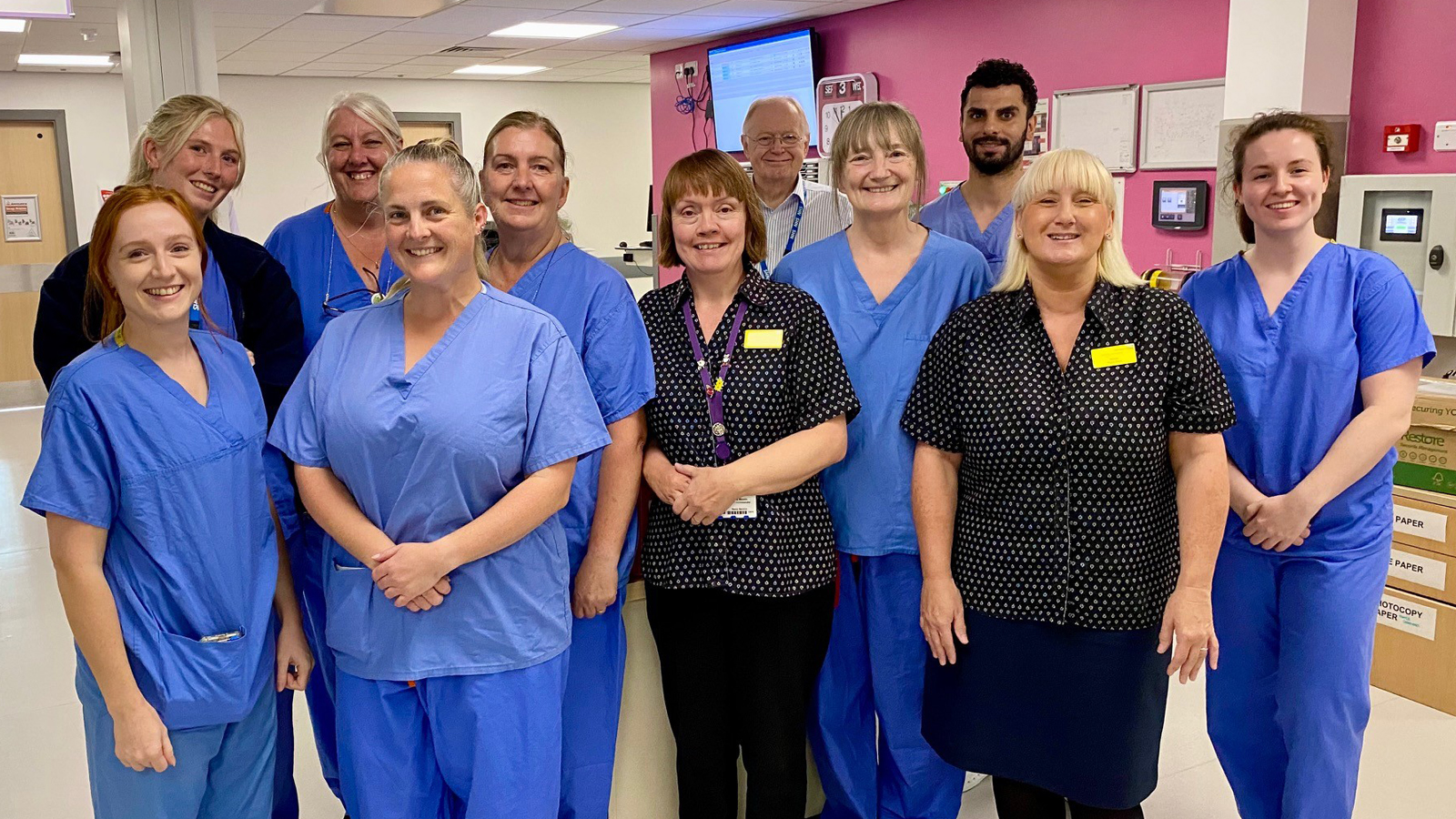
One of the country’s longest-established specialist burn services is celebrating 60 years of providing life-changing care to patients across Yorkshire and beyond.
The Yorkshire Burn Service, based at Pinderfields Hospital in Wakefield and run by Mid Yorkshire Teaching NHS Trust, was established in 1966 as the first NHS-funded purpose-built facility in Britain dedicated to treating major burns.
Read more on the trust website.
Bradford’s new endoscopy unit wins national attention

Bradford Royal Infirmary’s new purpose-built endoscopy unit has won a national design award, beating an outstanding field of entries from across the NHS and other healthcare providers.
The £25m state-of-the-art unit, which opened to patients in March and is one of the largest NHS schemes of its kind in the country, won the New Build Project of the Year category in the Healthcare Estates IHEEM Awards.
It was up against some tough competition from other finalists including the Rob Burrow Centre for Motor Neurone Disease in Leeds and King’s College Hospital’s critical care roof garden. Find out more on the trust website.
Mid Yorks consultant becomes president of National Paediatric Dentistry Society
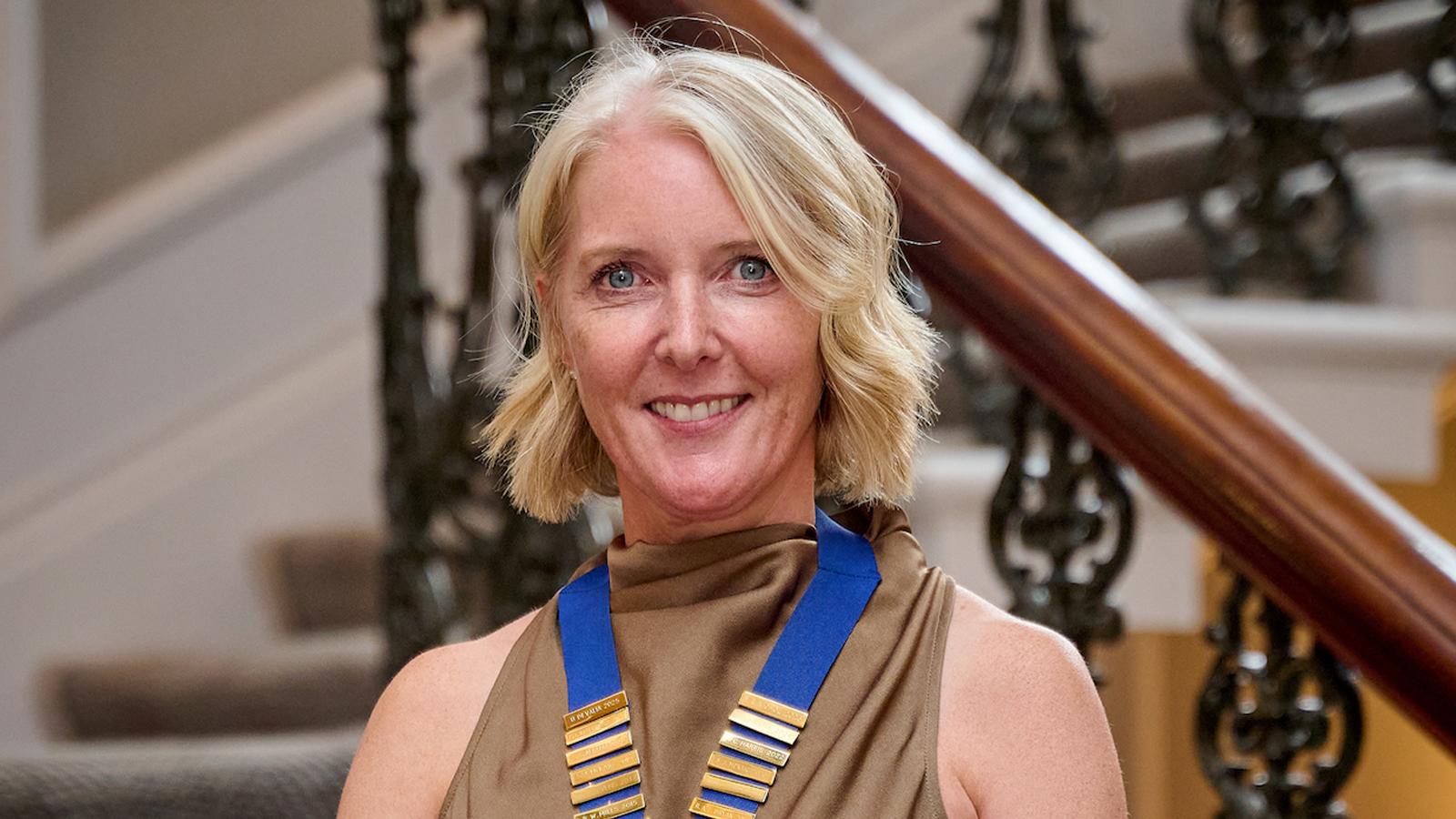
Dr Rachael Nichol, Clinical Lead and Consultant Paediatric Dentist for the Mid Yorkshire Teaching NHS Trust’s Community Dental Service, has been named the new President of the British Society of Paediatric Dentistry (BSPD). This is the UK's professional body dedicated to improving the oral health of children and young people.
Dr Nichol officially took up the role at BSPD’s National Study Day in York, succeeding Dr Oosh Devalia OBE as President. During her presidential year, she will focus on three key priorities - strengthening the paediatric dentistry workforce, championing the vital role of Community Dental Services and embedding oral health within neighbourhood health services. Find out more on the trust website.
Hospice care is more than you think
The Prince of Wales Hospice has launched a new campaign to raise awareness about hospice care. “Hospice care is more than you think” campaign aims to show that hospice care is about much more than end-of-life care. It can help people living with a life-limiting illness to manage symptoms, stay independent, make memories with loved ones and live as well as possible.
The campaign also aims to help health and care professionals understand more about the support available, encouraging them to consider hospice care for people who could benefit from it.
At the heart of the campaign is a film showing the reality of hospice care at The Prince of Wales Hospice. It is supported by a “10 things you might not know about hospice care” myth-busting poster and a new “Your Guide to Hospice Care” booklet.
Futures as a way forward for West Yorkshire
In West Yorkshire, we are using the Futures Collaboration Platform to strengthen collaboration and improve awareness and understanding across the organisations supporting our population of 2.7 million. This includes local authorities, hospitals, schools, third-sector organisations and GPs. The platform has two main spaces - Joined Up Care, which primarily signposts users to information and the Insight Library, which brings together resources to help users understand our population and its perspectives.
To explore these spaces, please complete the invitation form. Colleagues across your team or organisation are also welcome to request an invitation and discover opportunities to connect, share learning and collaborate.
What's coming up
World AMR Awareness Week: protecting antibiotics for the future
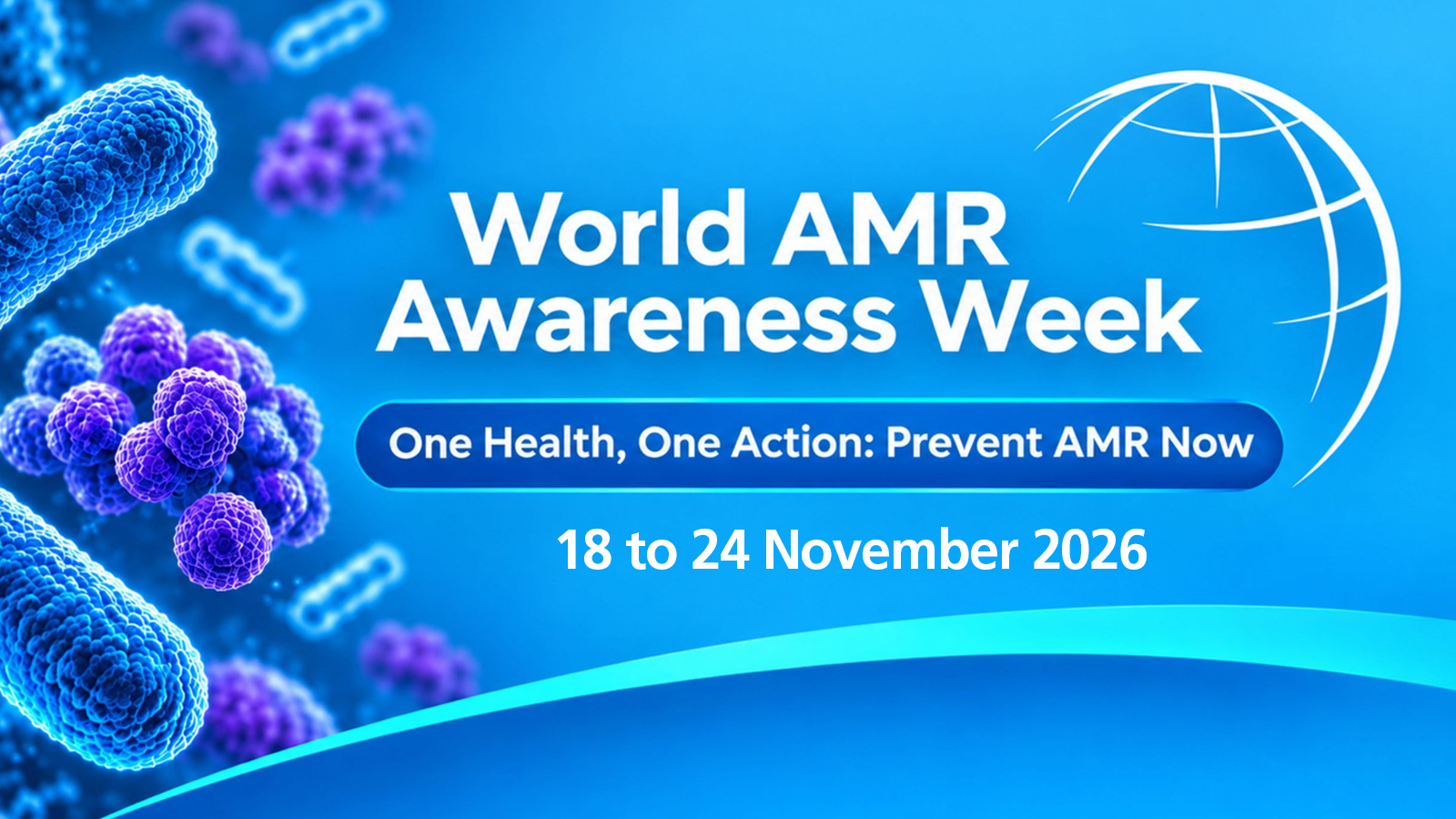
18 to 24 November is World Antimicrobial Resistance (AMR) Awareness Week - a global campaign to raise awareness about antibiotic resistance and how we can all help protect these life-saving medicines.
Why it matters
Antibiotics are essential medicines, but they don’t work for every illness. Most coughs, colds, sore throats and flu will get better without antibiotics. Using them when they’re not needed means they may not work when we really do need them.
AMR is already making some infections harder to treat, including certain sexually transmitted infections such as gonorrhoea, which is becoming highly resistant to the antibiotics usually used. This means prevention, testing and treatment through NHS sexual health services are more important than ever.
According to the World Health Organisation, drug-resistant infections already kill over a million people each year. Without action, this number could rise to 10 million deaths every year by 2050.
What you can do:
- Only use antibiotics if prescribed by an NHS healthcare professional.
- Take them exactly as directed.
- Don’t buy antibiotics overseas, online or without a prescription – they may be unsafe or fake.
- Return unused antibiotics to a pharmacy for safe disposal – don’t throw them in the bin or flush them.
- Prevent infections - wash hands regularly, practise good hygiene and keep vaccinations up to date.
- Practise safer sex - use condoms, attend regular STI checks and access advice through NHS sexual health clinics.
To find out more, visit:
- Seriously Resistant – practical advice and resources: www.seriouslyresistant.com
- Antibiotic Guardian – make a pledge to help protect antibiotics: www.antibioticguardian.com
- NHS West Yorkshire ICB animations – short films on preventing infection and reducing antibiotic use
By working together, we can help protect antibiotics for ourselves, our communities, and future generations.