
About the project
This activity is part of Healthy Working Life, a joint programme from the West Yorkshire Combined Authority and NHS West Yorkshire Integrated Care Board.
A pioneering pilot in West Yorkshire is helping working age stroke survivors get the support they need to return to work and rebuild their lives.
The Stroke Association is delivering a new approach to six-month reviews as part of the Healthy Working Life programme. By focusing on the link between health and employment, the pilot recognises that work can be a vital health outcome after stroke.
Changing needs and new challenges
By around six months after a stroke, many survivors find their needs are changing. Initial recovery may be underway, but new challenges can emerge around confidence, fatigue, finances and returning to work.
The West Yorkshire six-month review pilot has been designed to respond to those changing needs. The service is person-centred and holistic, offering a nationally recommended intervention adapted to explore work-related health outcomes after stroke.
Coordinators take time to listen and understand what matters most to each stroke survivor and their family or carer. Together, they identify practical next steps to improve wellbeing, independence and opportunities to return to or stay in work.
What do people think about it?
For Jack, a 25‑year‑old stroke survivor, the review came at a point when he felt physically recovered but was navigating confidence, fatigue and employment decisions. The service helped him think realistically about work by providing tailored employment support, including referrals to recruitment agencies, guidance on working after stroke and space to talk through the impact of fatigue, commuting and workplace pressures. As work-related challenges increased, the coordinator offered ongoing follow‑up, helped Jack reflect on sustainable options such as part‑time working and supported him to have open conversations with his manager about adjustments.
Jack described this support as making a real difference, saying:
“Thank you for our chat before, it was needed and made me feel a lot better… it has really helped me with work and to talk to my manager about what I need.”
Work as a health outcome
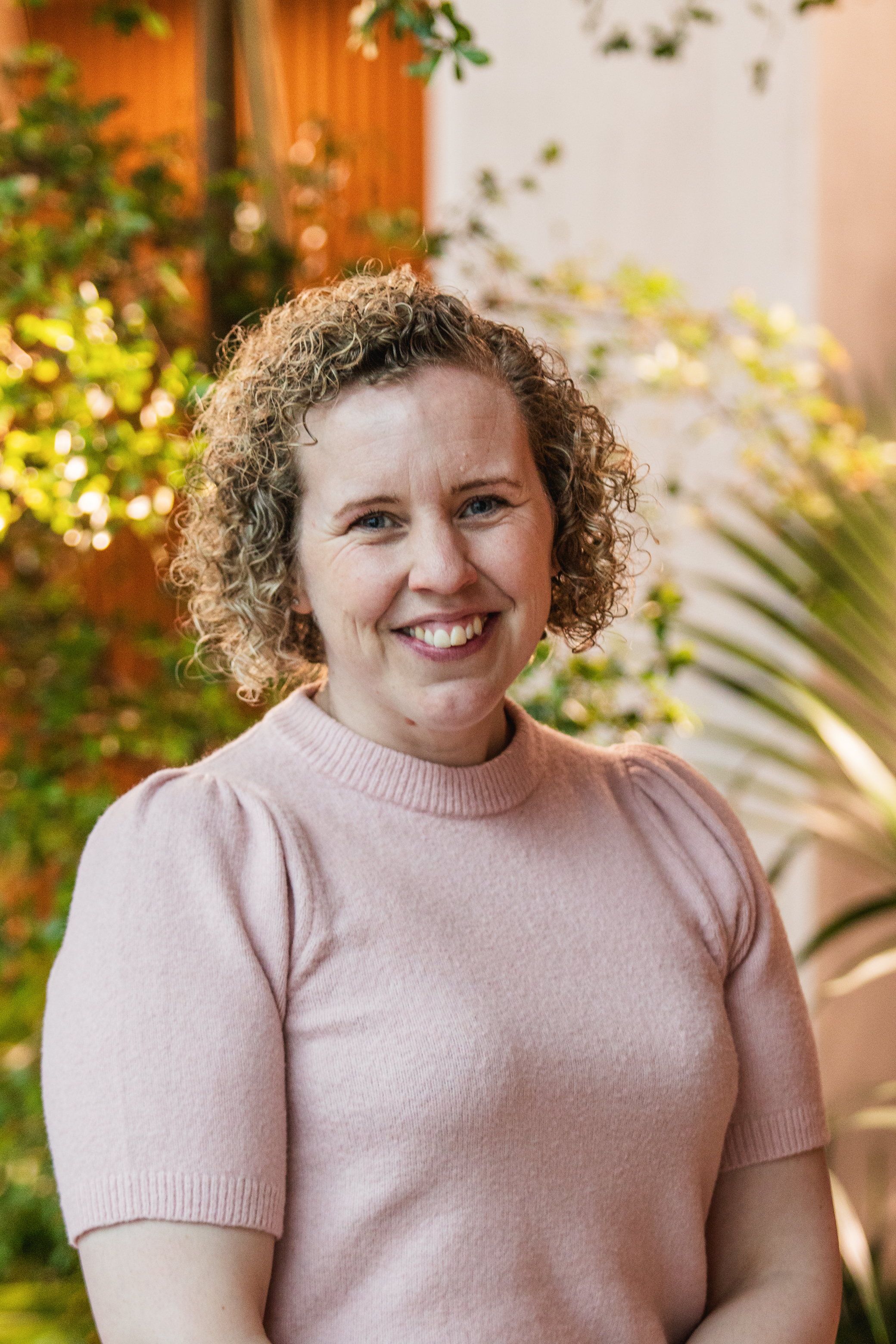 Samantha Jones, Associate Director for the Stroke Association - North East and Yorkshire, said:
“We know that stroke recovery does not stop when someone leaves hospital. Around the six-month mark, many people are facing new questions about their future, including whether and how they can return to work. This pilot gives us the time and space to have those conversations and provide support that is tailored to the individual.”
The pilot is now in its second year and is already generating valuable insight into what working age stroke survivors need to improve both their health and employment outcomes.
 Laura Williams, Programme Manager, NHS West Yorkshire Integrated Care Board, said:
“For many people, returning to work can support confidence, financial stability and mental wellbeing. This pilot is helping us better understand the barriers stroke survivors face and how health and employment services can work together to provide the right support.”
About the Stroke Association
The Stroke Association is a UK-based charity that provides specialist support, information and advice to stroke survivors and their families. It also funds vital research into stroke prevention and treatment, campaigns for improved care and helps survivors regain skills and confidence.
What’s next
The learning from the West Yorkshire pilot will help shape future services across the region, improving the way stroke survivors are supported to recover, return to work and live well after stroke.
You can also read the West Yorkshire pilot helps stroke survivors return to work case study as a PDF.