

Skip to main content Skip to navigation Skip to mobile navigation Skip to accessibility tools
West Yorkshire and Harrogate Health and Care Partnership logo
nhsLogo.png
  • About
    • About
    • Our approach to working together
      • Our approach to working together
      • Bradford Local Plan
      • Calderdale Local Plan
      • Kirklees Local Plan
      • Leeds Local Plan
      • Wakefield Local Plan
      • We stand together
    • Our mission, values and behaviours
    • Our 10 big ambitions
    • Our key achievements in 2023/24
    • Our partners
      • Our partners
      • Proud to be a partnership
      • West Yorkshire Hospice Collaborative
    • Integrated Care Board Chair
    • Partnership Board
    • Non-executive opportunities in the NHS
    • Our Race Equality Network
  • West Yorkshire ICB
    • West Yorkshire ICB
    • About our Integrated Care Board
      • About our Integrated Care Board
      • Who's who
      • Our partners
      • Integrated Care Board constitution
      • Committees
      • Governance
        • Governance
        • National Fraud Initiative
        • Lists and registers
        • Bribery Act 2010 and Economic Crime and Corporate Transparency Act 2023
      • Equality, diversity and inclusion
      • Improving the diversity of our leadership
      • About integrated care systems
      • How we use data
      • General Practice information
      • Emergency preparedness, resilience and response
      • ICB organisational structure
      • Chief executive recruitment
    • Places
      • Places
      • Bradford District and Craven
      • Calderdale
      • Kirklees
      • Leeds
      • Wakefield District
    • Meetings
      • Meetings
      • Annual General Meetings (AGMs)
      • Integrated Care Board
        • Integrated Care Board
        • Board engagement sessions
      • Audit and Risk Committee
      • Finance, Commissioning and Performance Committee
      • Quality, Safety and Experience Committee
      • Remuneration and Nomination Committee
      • Transition Committee
      • Place committees
    • Documents
      • Documents
      • Annual Report and Accounts
        • Annual Report and Accounts
        • ICB Annual Report and Accounts 2025-2026
      • Commissioning policies and contract updates
      • Governance documents and policies
      • Reports and plans
      • Our Joint Forward Plan 2024
      • Publication scheme
      • Medicines classification and guidelines
      • NHS continuing healthcare
      • Disclosure log
      • Corporate policies
      • Zero tolerance
      • Accreditation for the award of contracts
      • Modern slavery statement
      • People Strategy 2024-2027
    • Involvement
      • Involvement
      • Calderdale and Kirklees wheelchair service involvement 2025
    • Contact
      • Contact
      • Submit a question to the Board
      • Submit an information request
        • Submit an information request
        • Subject Access Request
      • Comments, concerns and complaints
      • NHS continuing healthcare
      • You and Your General Practice
    • News
  • Our priorities
    • Our priorities
    • The difference our Partnership is making
    • Cancer
    • Capital and estates
    • Children, young people and families
    • Digital technology
    • Healthy Working Life
    • Hospitals working together (WYAAT)
    • Improving population health
    • Innovation and improvement
    • Long-term conditions and personalised care
    • Medicines and prescribing
      • Medicines and prescribing
      • Mounjaro® (tirzepatide) and weight management in West Yorkshire
    • Maternity care
    • Mental Health, Learning Disability and Autism
    • Neighbourhood Health
    • Power of Communities
      • Power of Communities
      • Volunteering in West Yorkshire
    • Planned care
    • Primary and community care
      • Primary and community care
      • Dental services
        • Dental services
        • Improving dentistry in West Yorkshire
        • Community dental services
      • Respiratory Care
      • Virtual wards
    • Suicide prevention
    • Supporting carers
      • Supporting carers
      • Carers hospital discharge toolkit
      • Carers App and Digital Contingency Plan
    • Urgent and emergency care
    • Vaccination and immunisations
    • Workforce
      • Workforce
      • Allied Health Professions
      • Mental Health, Learning Disability and Autism workforce
      • People Plan
      • Staff Mental Health and Wellbeing Hub
      • System and Leadership Development
      • Racial Inequalities Training
      • The Race Equality Network
      • Apprenticeships in health and care
  • News
    • News
    • Blogs
    • Podcasts
  • Meetings
    • Meetings
    • Our Partnership Board
      • Our Partnership Board
      • Partnership Board papers
        • Partnership Board papers
        • West Yorkshire Health and Care Partnership Board meeting - Tuesday 7 March 2023
        • West Yorkshire Health and Care Partnership Board meeting - Tuesday 6 June 2023
        • West Yorkshire Health and Care Partnership Board meeting - Tuesday 5 September 2023
        • West Yorkshire Health and Care Partnership Board meeting - Tuesday 5 December 2023
        • West Yorkshire Health and Care Partnership Board meeting - Tuesday 5 March 2024
        • West Yorkshire Health and Care Partnership Board meeting - Tuesday 16 July 2024
        • West Yorkshire Health and Care Partnership Board meeting - 14 April 2026
      • Board membership
      • Ask the Partnership Board a question
    • Supporting ethnic minority communities and staff - review panel
    • NHS West Yorkshire Integrated Care Board
  • Publications
    • Publications
    • The difference our partnership is making (case studies)
    • Our Joint Forward Plan 2024
    • West Yorkshire Integrated Care Strategy 2023
    • Our People Plan 2021-25
    • Tackling health inequalities for ethnic minority communities and colleagues
    • Ethical Framework for West Yorkshire Health and Care Partnership
    • West Yorkshire Suicide Prevention Strategy 2022-27
    • Easy reads
    • Other publications
    • West Yorkshire Public Involvement Report 2023-24
    • West Yorkshire ICB Placement Strategy
    • Power of one power of many
  • Campaigns
    • Campaigns
    • #AutismADHDAllies
    • Check-in with your mate
    • Find out how you really are
    • #LetsConnect
    • Maternal Mental Health
    • MHLDA Healthcare Support Worker recruitment
    • Midwifery careers
    • Only order what you need
    • Reasonable Adjustments
    • Speak with a midwife
      • Speak with a midwife
      • Speak with a midwife - for health & care professionals
    • Staff check-in
    • Together We Can
    • Vaccinations and immunisations
    • West Yorkshire Suicide Prevention Champions
  • Involvement
    • Involvement
    • Get involved
      • Get involved
      • Non-Emergency Patient Transport Service
      • West Yorkshire Voice
        • West Yorkshire Voice
        • Join West Yorkshire Voice
        • How your voice has helped
        • West Yorkshire Voice members' page
        • Meet the West Yorkshire Voice team
        • Telling people about West Yorkshire Voice
        • West Yorkshire Voice newsletter
      • Health and Care Champions
      • Building a new equity and fairness strategy for West Yorkshire
      • Change NHS: helping shape a health service fit for the future
      • Perinatal Pelvic Health Service – Patient experience
      • Help shape the future of obesity services in West Yorkshire, Humber and North Yorkshire
      • West Yorkshire mental health crisis support - Your experiences and feedback
    • Previous involvement
    • Consultation
    • Working in partnership
      • Working in partnership
      • Wider Involvement Network
    • Evaluating our involvement
    • Co-production
    • Working with Healthwatch
    • Involvement framework
    • Involvement and consultation mapping report
    • West Yorkshire Public Involvement Report 2023-24
    • Communication and involvement plan
  • Contact
    • Contact
    • Any questions?
      • Any questions?
      • You said, we did...
      • Frequently asked questions
      • Integrated Care Jargon Buster
  • Together We Can
    • Together We Can
    • Seasonal health

Pontefract and Knottingley neighbourhood team’s proactive approach to supporting people with COPD

What’s this project all about?
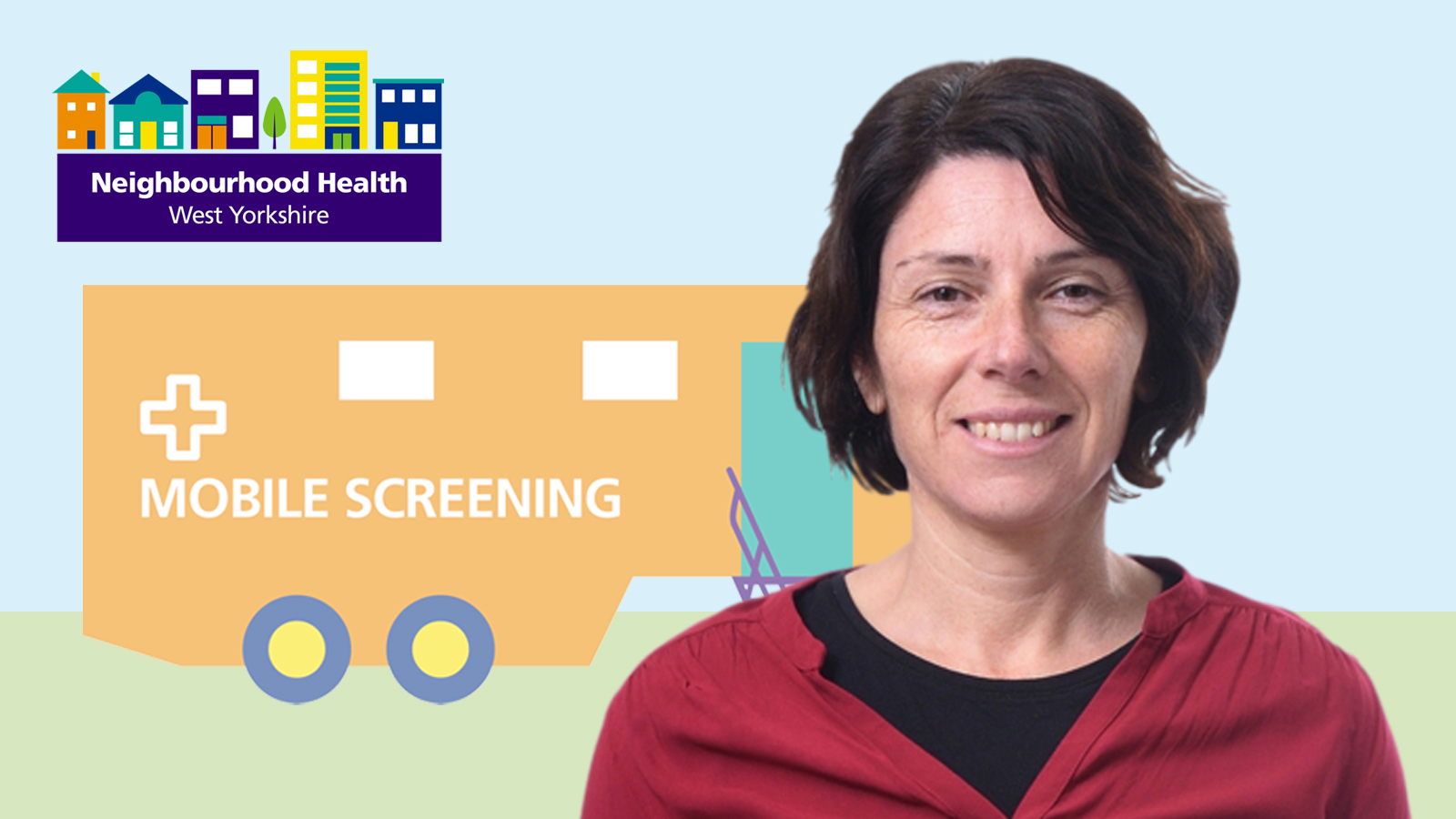
Neighbourhood health - woman stood in front of an illustrated mobile screening vehicleA neighbourhood health team in Pontefract and Knottingley is taking a more proactive approach to supporting people living with chronic obstructive pulmonary disease (COPD) - helping people get the right support before they become unwell and need to go to hospital.

The work is part of the Neighbourhood Health approach across West Yorkshire, where partners come together with a shared ambition to transform health and care around neighbourhoods, putting people and communities at the heart of how we work.

Across Wakefield District, six Neighbourhood Health teams are focusing on three groups of people who are more likely to need hospital care:

  • people living with dementia
  • people with COPD
  • people nearing the end of their lives

Although these groups make up just 3.7% of the local population, they account for more than a fifth of all unplanned hospital admissions and almost a third of the days people spend in hospital following these admissions.

Finding people who may need extra help

The Pontefract and Knottingley team used a data tool to identify people with COPD who were most likely to need hospital care in the next three months. The tool is more than 90% accurate and helped the team see where extra support could make the biggest difference.

It showed that people with COPD were more than 50% more likely to need hospital care than people living with dementia and three times more likely than people nearing the end of their lives. This led the team to make COPD a particular focus.

Kelly PritchardHealth and Wellbeing Coach Kelly Pritchard said:

“The data helped us see where we could make the biggest difference. It showed us that people with COPD were at particularly high risk of needing hospital care, so we wanted to act before they reached that point.”

Bringing the right people together

Since December 2025, the team has been holding regular meetings with health and care professionals to look at the needs of people with COPD. Multidisciplinary team (MDTs) - which bring different professionals together to agree the best support for someone - have improved the way people are referred for support, helping to make sure people are not sent back to their GP when they would benefit from more help.

People at medium or high risk of becoming unwell have also been offered extra COPD reviews. These reviews can include a ReSPECT form, which records a person’s wishes about their future care if they become too unwell to make decisions for themselves. People can also be referred to a health coach for help with issues such as anxiety and breathlessness.

Kelly added:

“We’re trying to look at the whole person, not just their COPD. We want to understand what is happening in their lives, what might be making their symptoms harder to manage and what support could help them stay well at home.

“Breathlessness can have a huge impact on people’s confidence and everyday life. Sometimes people stop doing things because they are worried about getting out of breath. The health coaching gives them someone to talk to and practical support to help them manage that.”

Helping people breathe better

The team is also offering Breathing Better, a community exercise and education programme for people living with severe breathlessness. The programme was developed through a partnership between Wakefield Council and MYTherapy. It helps people understand and manage their symptoms, while building their strength and confidence.

The programme development was funded through Core20PLUS5, a national NHS programme that aims to improve health for people who experience the greatest health inequalities. It offers another option for people who may benefit from pulmonary rehabilitation, which is a programme that helps people with lung conditions improve their fitness and manage their symptoms.

The first 12-week Breathing Better programme supported eight people.

Kelly said:

“Breathing Better gives people a chance to build their confidence gradually. It’s not just about exercise - it’s about understanding your condition, learning ways to manage your symptoms and feeling more confident about what you can do.”

Early signs that the approach is working

Since the first COPD team meeting in December 2025 until June 2026, the team has seen some encouraging changes among the cohort it is supporting:

  • Flu vaccination rates increased by 6.9%
  • Expected A&E attendances fell by 19.6%
  • Expected COPD hospital admissions fell by 12.7%
  • GP consultations fell by 9.8%

These early results suggest that giving people more support earlier could help them stay well and reduce the need for urgent care.

What people think

Nine people who received COPD support through Breathing Better gave feedback about the programme. The results were very positive:

  • 89% rated the service as excellent
  • 100% said they would recommend the programme
  • 67% felt much more confident managing their COPD
  • 67% said the treatment helped a lot with their COPD

People said the support had “made me fitter” and “helped me understand my condition better”. One said: “I have gained lots of information from the group and health coach”.

Keeping the support going

The team has also set up a new COPD café at Ash Grove Medical Centre in Knottingley. The café takes place on the second Tuesday of every month and gives people with COPD a chance to have a cuppa, meet other people who understand what they are going through and continue to get support after completing programmes such as pulmonary rehabilitation or Breathing Better.

There is no need to book - people can simply drop in. The café offers:

  • refreshments
  • support from other people living with COPD
  • occasional guest speakers
  • tips for managing COPD
  • occasional activities

Kelly said:

“We don’t want support to stop when someone finishes a programme. The COPD café is about keeping that connection going. People can come along, have a chat, ask questions and meet others who understand what living with COPD is like.

“It’s about helping people feel less alone and giving them somewhere they can come back to. Even a simple chat over a cup of tea can make a real difference.”

The team hopes the café will become a regular source of support for people living with COPD in Pontefract and Knottingley.

Find out more

For more information about the Pontefract and Knottingley COPD work, or to discuss taking part in a video, podcast or other communications activity, contact Kelly Pritchard, Neighbourhood Health Team Coach on kelly.pritchard12@nhs.net or 07543 315164.

You can also read the 'Pontefract and Knottingley neighbourhood team’s proactive approach to supporting people with COPD' case study on a PDF file. 

Our Partners

Bradford Council: Home
CMBC_-_Logo_carousel.png
Kirklees Council
Leeds City Council
North Yorkshire Council
Wakefield Council
Airedale Foundation Trust
Bradford Teaching Hospitals NHS Foundation Trust
Bradford District Care NHS Foundation Trust
Calderdale and Huddersfield NHS Foundation Trust
Harrogate and District NHS Foundation Trust
Leeds and York Partnership NHS Foundation Trust
Leeds Community Healthcare (LCH)
Leeds Teaching Hospitals NHS Trust
The Mid Yorkshire Hospitals NHS Trust
South West Yorkshire Partnership NHS Foundation Trust
Yorkshire Ambulance Service
NHS England
Healthwatch
Locala Community Partnerships CIC
Spectrum Community Health CIC
UKHSA_-_Logo_carousel.png OHID_-_Logo_carousel.png

Footer information

Privacy notice | Accessibility statement | Modern slavery statement

Accessibility tools

Text size:
Contrast:
Frank Ltd.
Return to header