
Posted on: 4 September 2026

In West Yorkshire, we are committed to working closely together across mental health services, partner agencies, and importantly, with our population. Our collaboration is about creating a strong, caring network that supports wellbeing every step of the way. On World Suicide Prevention Day next week (10 September), it is vital to remember that help is always available, no matter how tough things may feel.
Our West Yorkshire partnership means that services co-ordinate with each other to provide seamless support. Whether it’s through mental health professionals, community groups, emergency services or other agencies, we all work together to listen, understand and respond to their needs with compassion and respect.
We are continuously working together to strengthen how we deliver this support. Our NHS trusts, West Yorkshire Police, Yorkshire Ambulance Service and VCSE partners are currently working together to improve communication, share knowledge and build stronger connections between services and communities. We aim to make it easier for people to access help when it is needed the most. This ongoing effort helps ensure that no one falls through the cracks and that support is timely, effective and personalised.
We understand that reaching out for support can seem daunting. We understand that people might worry about bothering others or be unsure if their concerns are serious enough to ask for help. But we want everyone to know they are never a bother. We are here because we care and want to ensure they get the right care, from the right people, at the right time.
Remember, no one has to face difficult moments alone. Reaching out is a brave and important step that can lead to better support and brighter days. On this day, and every day, we want to remind people that there is hope, help and a caring network ready to walk alongside them.
If you or someone you know is struggling, please don’t hesitate to connect with the services available. Your mental health matters and together we can make a difference. You are not alone.
NHS 111 mental health option
For adults, children and young people experiencing a mental health crisis or urgent emotional distress call 111 and select the mental health option. This service is available 24 hours a day, 7 days a week. There are other ways to contact NHS 111 if you have a hearing problem or need help in another language for example.
Mental Health Crisis Text Service
All ages across West Yorkshire can text BRIGHT to 85258 for free, confidential support available 24 hours a day, 7 days a week.
Other services
- Call the Leeds Mind Suicide Bereavement Services on 0113 305 5800 available Monday to Thursday from 9.00am to 5.00pm and Fridays from 9.00am to 4.30pm.
- If someone is at immediate risk of serious harm or life is in danger call 999 or go to the nearest emergency department.
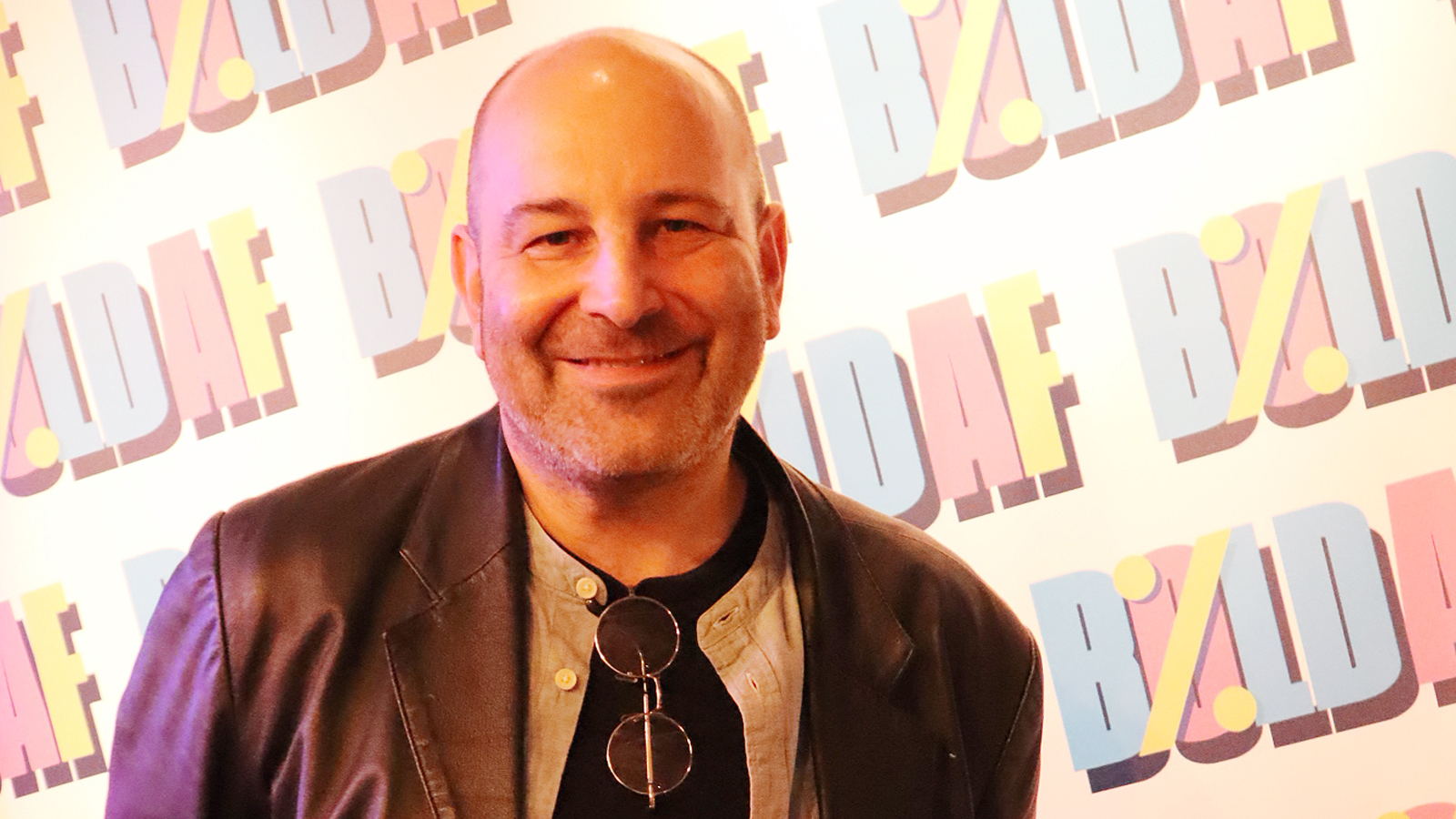
We also have a blog from Mark Hindwell, Communications Officer, Forward Leeds
Fetal Alcohol Spectrum Disorder (FASD) Awareness Day: A simple conversation, a lasting difference
What if one short conversation could help give a child the best possible start in life?
That's the aim of a new campaign from Forward Leeds and Leeds City Council's public health team for FASD Awareness Day on 9 September.
The campaign message is simple: There is no known safe amount of alcohol to drink during pregnancy.
Many people are aware of the advice not to drink alcohol during pregnancy. However, fewer realise that alcohol can pass through the placenta to a developing baby or that a baby's brain and nervous system begin developing very early in pregnancy, often before someone knows they are pregnant.
That's why raising awareness matters.
To support this year's campaign, three short films have been created as part of the “No thanks, I'm pregnant” campaign. Each film tells a different story, but all share the same goal: helping people understand the risks of drinking alcohol during pregnancy and the importance of support from those around them.
One film follows a couple discussing their decision to stop drinking while trying for a baby. Another features a mother's reflections on what she learned about alcohol and pregnancy. The third shows a partner choosing alcohol-free drinks during a night out, demonstrating how small acts of support can make a big difference.

Forward Leeds specialist midwife Alex Whincup said:
“What I like about these films is that they focus on real-life situations. They don't lecture or judge. Instead, they encourage understanding and conversation.
“They also remind us that this is not a message solely for pregnant women. Partners, families, friends, colleagues and professionals all have a role to play in creating supportive environments and helping people make informed choices.
“Across health and care services, many of us have opportunities to share trusted information, whether that's during a clinical appointment, a community conversation, a social media post or a team briefing. These everyday interactions can help reinforce important public health messages and challenge common misconceptions.”
FASD is entirely preventable, yet awareness remains lower than it should be. By working together across Leeds and West Yorkshire, we can help more people understand the advice around alcohol and pregnancy and ensure they feel supported to follow it.
As FASD Awareness Day approaches, I'd encourage organisations and colleagues to get involved. Sharing one of the short films, including campaign information in a newsletter, or simply starting a conversation with a colleague or service user can help extend the reach of the campaign and make a real difference.
Sometimes the most effective public health campaigns aren't about big gestures. They're about simple messages, shared consistently by people that communities trust.
This is one of those messages.
To learn more about the campaign visit: https:/
How you can help:
- Share the campaign films on or around 9 September.
- Include campaign messages in newsletters, websites and staff communications.
- Raise awareness with colleagues, service users and local communities.
- Encourage conversations about alcohol and pregnancy wherever appropriate
Together, we can help ensure more people have the information and support they need to make informed choices during pregnancy.
If you would like copies of the campaign resources to share from your own social media channels please contact me at mark.
What's been happening?
Leeds team delivers UK first with breakthrough treatment for life-threatening condition
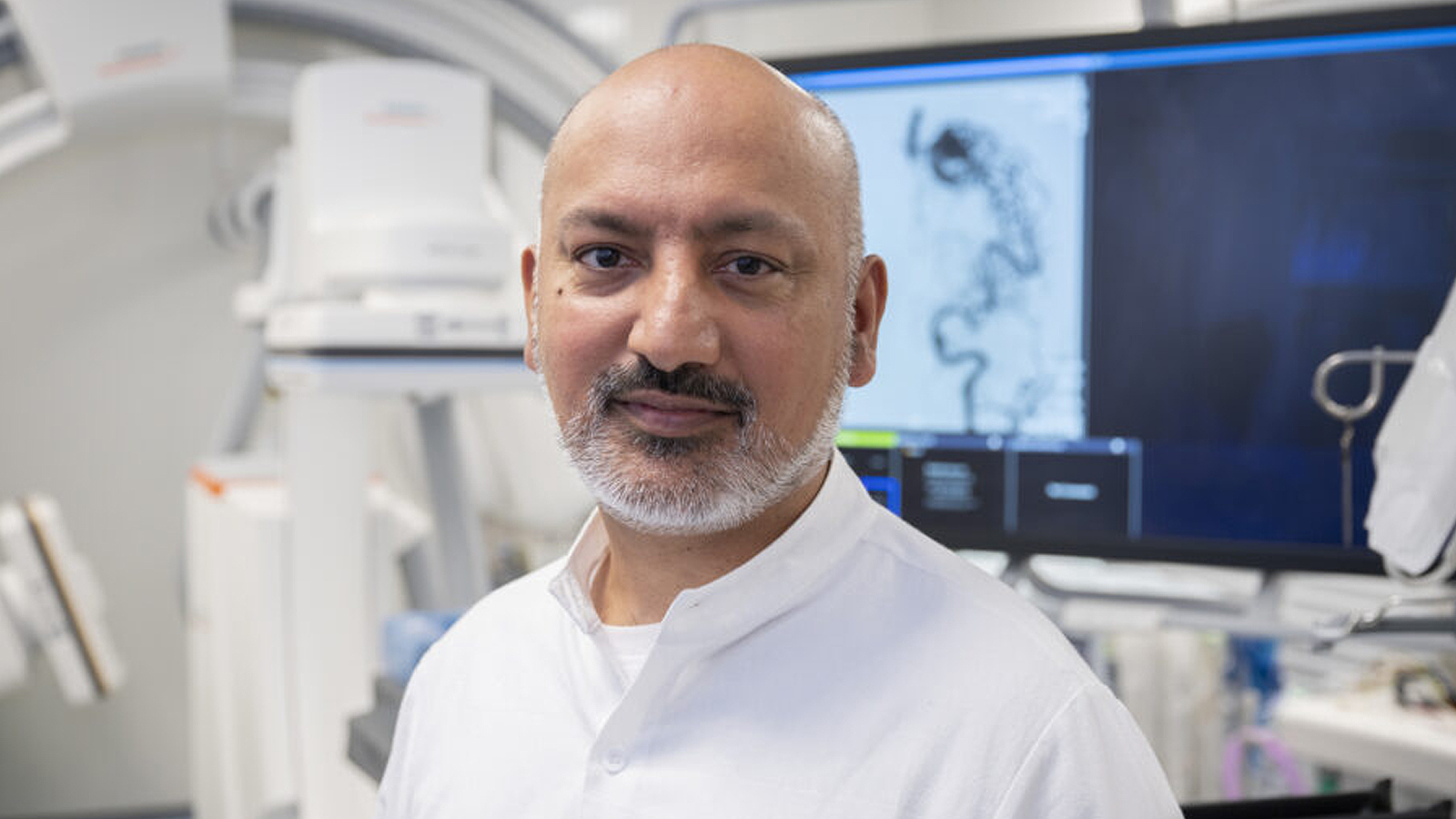
A man from Bradford has become the first patient in the UK to benefit from a groundbreaking new treatment for a disabling and life-threatening arteriovenous malformation (AVM).
After exhausting all viable treatment options over 15 years, Zehair Ayub was offered hope after meeting Leeds Teaching Hospitals consultant Dr Fathallah Islim, who had completed a fellowship at a centre in Germany involved in the European trial of the innovative treatment. Find out more on the trust website.
Bradford Teaching Hospitals adopts NHS national anti-racism principles

Bradford Teaching Hospitals NHS Foundation Trust is proud to have joined many other NHS organisations in signing up to seven national principles of anti-racism - to turn pledges into real and meaningful workplace actions which benefit everyone.
The principles, developed by the NHS Race and Health Observatory, are designed to dismantle structural, institutional and interpersonal racism to improve patient safety, strengthen leadership and protect staff.
To mark its commitment to tackling all forms of racism and health inequalities, the trust was delighted to welcome the Observatory’s Chief Executive, Professor Habib Naqvi MBE and Assistant Director of Workforce, Owen Chinembiri to Bradford Royal Infirmary last week.
They met the trust’s executive team, visited maternity services and Bradford Institute for Health Research, chatted with members of staff equality networks and joined local community partners to hear their stories and their hopes for the future through strong, grassroots engagement with the trust. Find out more on the trust website.
Neighbourhood Health activity brings practical support closer to communities across West Yorkshire

From helping people stay connected after bereavement to using data to spot where support is needed earlier, Neighbourhood Health Teams across West Yorkshire are finding new ways to improve health and wellbeing in local communities.
Here are the latest stories showing how teams are making a difference.
Personalised digital support at the Old Fire Station is helping Marina rebuild her confidence and stay connected after losing her husband. Marina moved from drop-in sessions to weekly one-to-one appointments where she could learn practical skills at her own pace. She can now use online banking, shop online, navigate using digital maps and keep in regular contact with family in the United States. The sessions have also given her a reason to leave the house, meet someone and learn something new, helping reduce loneliness and isolation. Read Marina’s story.
In Leeds, partners are bringing information together to help Neighbourhood Health Teams understand local needs and act earlier. The Leeds Data Model securely links information from health, care and community services, while the Curiosity Tool gives frontline teams an accessible way to explore local trends and identify where extra support could make the biggest difference. The approach is helping teams focus on people who may benefit from proactive support, including those living with frailty, complex long-term conditions and mental health conditions. Read more on our Neighbourhood Health case study pages.
In Pontefract and Knottingley, a neighbourhood health team is using data and joined-up support to help people living with COPD stay well and avoid hospital where possible. Since December 2025, health and care professionals have worked together to identify people at higher risk, offer extra COPD reviews and provide health coaching for issues such as anxiety and breathlessness. The Breathing Better community programme has also helped people build strength and confidence, while a new monthly COPD café at Ash Grove Medical Centre is keeping people connected after they finish a programme. Early results are encouraging, with expected A&E attendances down 19.6% and expected COPD hospital admissions down 12.7% among the cohort supported between December 2025 and June 2026. Find out more on our Neighbourhood Health case study pages.
These activities support Neighbourhood Health, which brings together the NHS, councils, voluntary, community and social enterprise (VCSE) organisations and other partners such as the West Yorkshire Combined Authority to improve health, reduce inequalities and help people live well for longer.