
Posted on: 8 June 2026
 West Yorkshire's approach to neighbourhood health took centre stage on Thursday, 28 May, as senior NHS leaders visited the region to learn more about the work taking place across local communities.
Around 30 representatives from across the NHS, local government, the voluntary, community and social enterprise (VCSE) sector, primary care, mental health services, the ambulance service and place provider partnerships came together for a special visit focused on the West Yorkshire Neighbourhood Health Framework.
The event took place at the Reginald Centre in Chapeltown, Leeds - a community hub that brings together a range of local services under one roof, including a one-stop centre, job shop and library. The venue provided a fitting backdrop for discussions about delivering more joined-up support in local neighbourhoods.
The event was chaired by ICB Interim CEO Jonathan Webb and welcomed Professor Claire Fuller, National Priority Programme Director for Neighbourhood Health and Dr James Kent, National Adviser in NHS England's Strategy Directorate.
The visit provided an opportunity to showcase how partners across Bradford district and Craven, Calderdale, Kirklees, Leeds and Wakefield are working together to deliver neighbourhood health at scale, while also sharing lessons that could help shape national thinking.
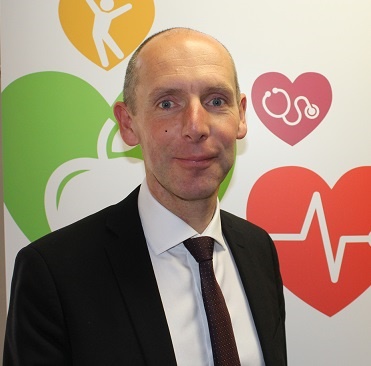 Opening the event, Jonathan Webb highlighted the strength of partnership working across West Yorkshire and the important role neighbourhood health is playing in improving outcomes for local people.
“What makes West Yorkshire distinctive is the strength of our partnerships and our commitment to delivering through Places. We have strong foundations in place and we're already seeing evidence that this approach can improve outcomes for people and help us deliver better health and care for our communities,” he said.
Throughout the day, partners shared examples of how neighbourhood teams are supporting people earlier, helping them stay well for longer and reducing the need for hospital care.
In Bradford district and Craven, colleagues highlighted how a new digital falls risk tool is helping identify people at greater risk of falls so support can be offered earlier. Wakefield shared early results from its six neighbourhood teams, where multidisciplinary working has helped reduce GP appointments and A&E attendances among people receiving targeted support. Partners from Calderdale outlined progress in developing five integrated neighbourhood teams and using population health data to focus support on local priorities such as frailty and end-of-life care.
Meanwhile, Kirklees shared evidence of reduced emergency admissions alongside continued investment in Home First services that help people recover safely at home. Leeds highlighted its long-standing neighbourhood approach and the work taking place across its 15 neighbourhoods to provide joined-up support, with a strong focus on prevention, early intervention and proactive care for people with complex needs.
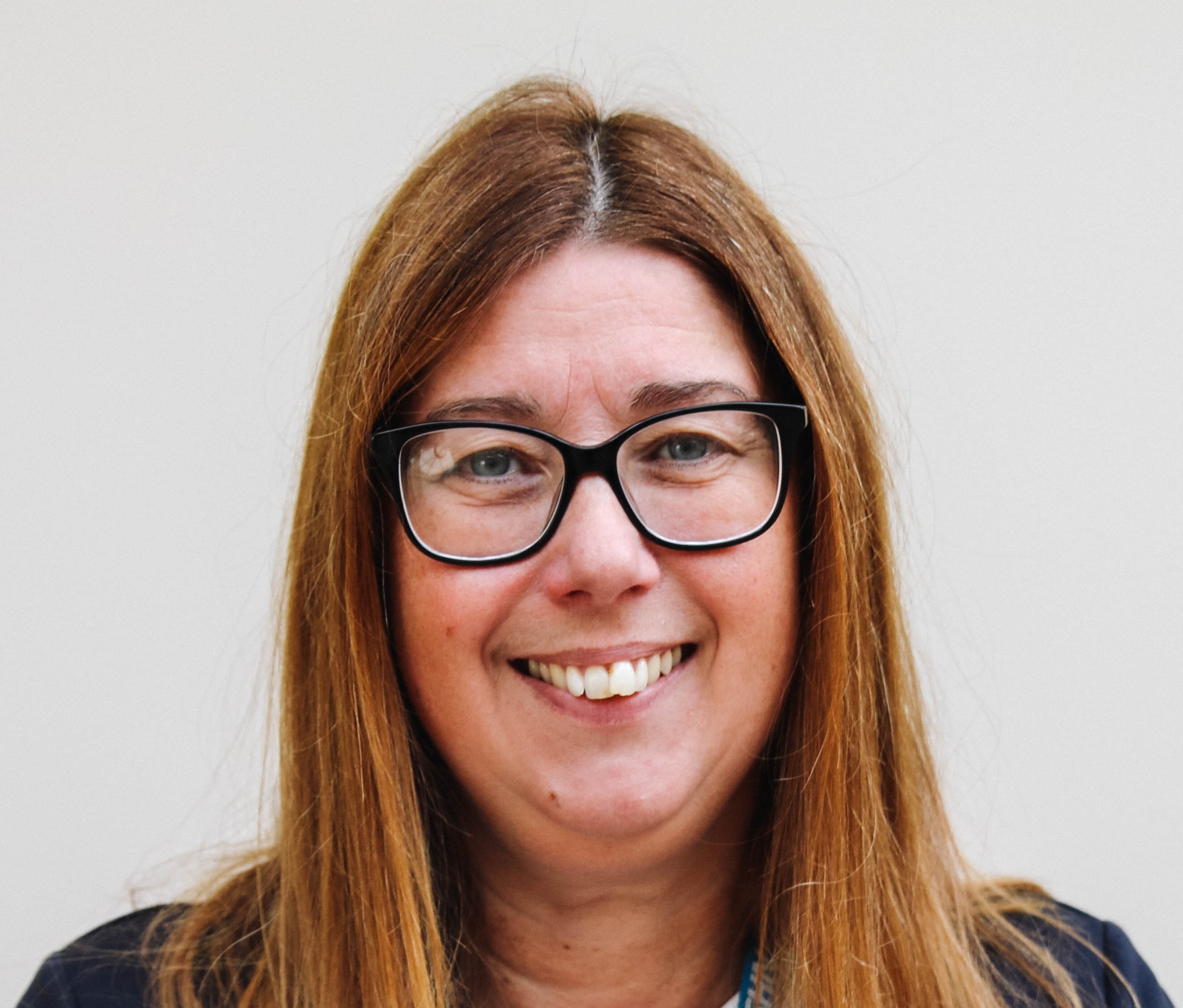 Mel Brown, Joint Senior Responsible Officer for Neighbourhood Health, said the visit was an important opportunity to demonstrate both progress and ambition.
“We wanted to show that neighbourhood health in West Yorkshire is not a future aspiration - it's already happening. Across all five Places we can point to practical examples where organisations are working differently together and making a positive difference for local people.
“At the same time, we're honest that this is a long-term transformation. Building healthier communities takes time, strong relationships and a shared commitment to working differently.”
Discussions throughout the day focused on how West Yorkshire is delivering neighbourhood health across all five Places, the challenges involved in scaling up successful approaches and the role neighbourhood health can play in reducing pressure on hospitals and improving access to care.
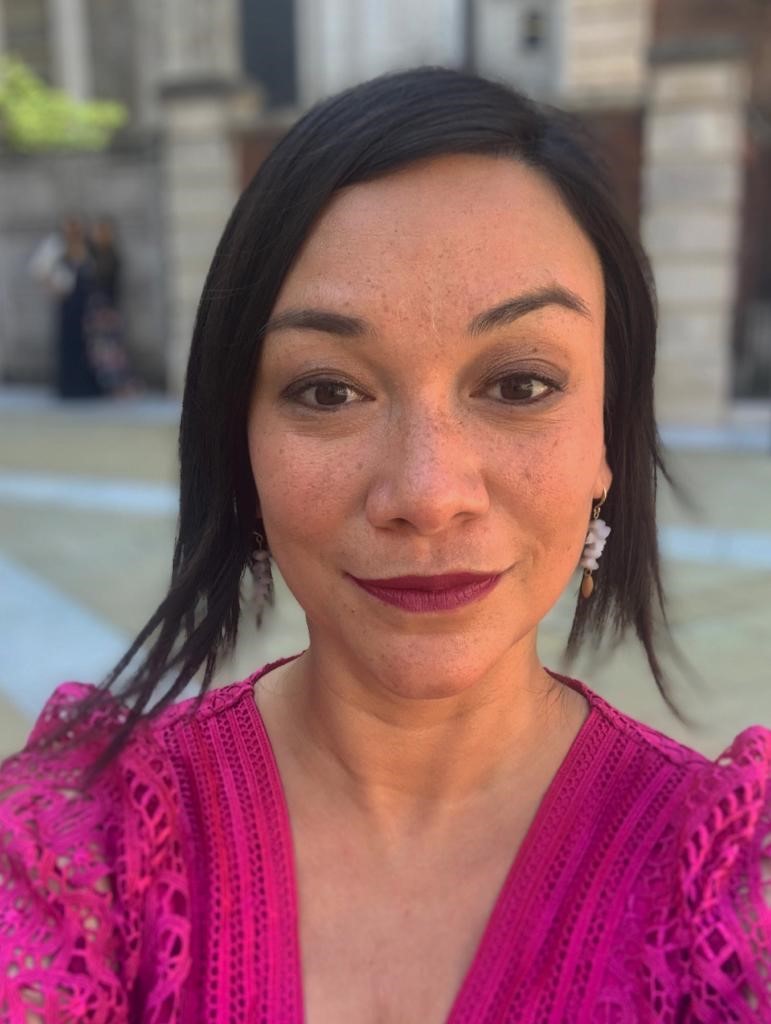 Kim Shutler, Joint Senior Responsible Officer for Neighbourhood Health, said partnership working remains the foundation of success.
“One of our biggest strengths in West Yorkshire is the relationships we've built over many years. We have a diverse group of partners around the table who share a common goal and are willing to have honest conversations about the challenges as well as the opportunities.
“Neighbourhood health has to be about more than health services. It's about communities, prevention, housing, employment, social connection and all the things that help people live healthier lives. That's the vision we're working towards.”
The visit also provided an opportunity to discuss what further national support could help accelerate progress, including investment in data and digital infrastructure, support for neighbourhood health centres and greater flexibility to develop integrated models of care through place provider partnerships.
 GP Brendan Kennedy, speaking from a primary care and place provider partnership perspective, said general practice has a vital role to play.
“General practice is often the front door to the health and care system and has a unique understanding of local communities. Bringing partners together around neighbourhoods allows us to identify people who need support earlier and provide more joined-up care.
“The development of place provider partnerships gives us a real opportunity to work collectively around the needs of our population rather than individual organisations.”
The visit reinforced a shared message that neighbourhood health is central to West Yorkshire's long-term vision for improving lives now and in the future. There was also recognition that while progress is being made, continued partnership, investment and a long-term focus will be needed to unlock the full potential of neighbourhood health across the region.