

 What’s this project all about?
At Seacroft Primary Care Network, the Three Long-term Conditions and Mental Health project is helping people with complex needs regain independence and improve their quality of life. Delivered as part of Healthy Working Life, the project highlights how being able to take part in everyday activity - whether that’s work, hobbies or daily tasks - is a vital health outcome.
Meet Dave
Dave is 66 and lives alone with his two pets. He has strong relationships with his three sons and has spent many years in the same home. He enjoys building detailed model tanks which he says gives him enjoyment and a sense of purpose. However, Dave’s health had reached a point where daily life was becoming increasingly difficult.
Dave was managing several long-term conditions, including bladder cancer, diabetes and chronic kidney disease. He also had high blood pressure, obesity and hypothyroidism - a condition that can slow down the body’s metabolism and cause fatigue. He was experiencing pain due to diabetic neuropathy - nerve damage caused by diabetes, as well as discomfort from unhealed surgical wounds. All of this meant Dave’s mobility was significantly affected. He relied on a walking stick and even short journeys were exhausting. A trip to the local shop, a short distance away, could take up to two hours.
At home, things were also becoming unmanageable. Dave knew he needed to move but felt unable to navigate the housing process on his own. Despite everything, his priority was “to get sorted medically.”
A different kind of support
The Seacroft Primary Care Network social prescribing team, Linking Leeds and Engage Leeds supported Dave through a coordinated approach.
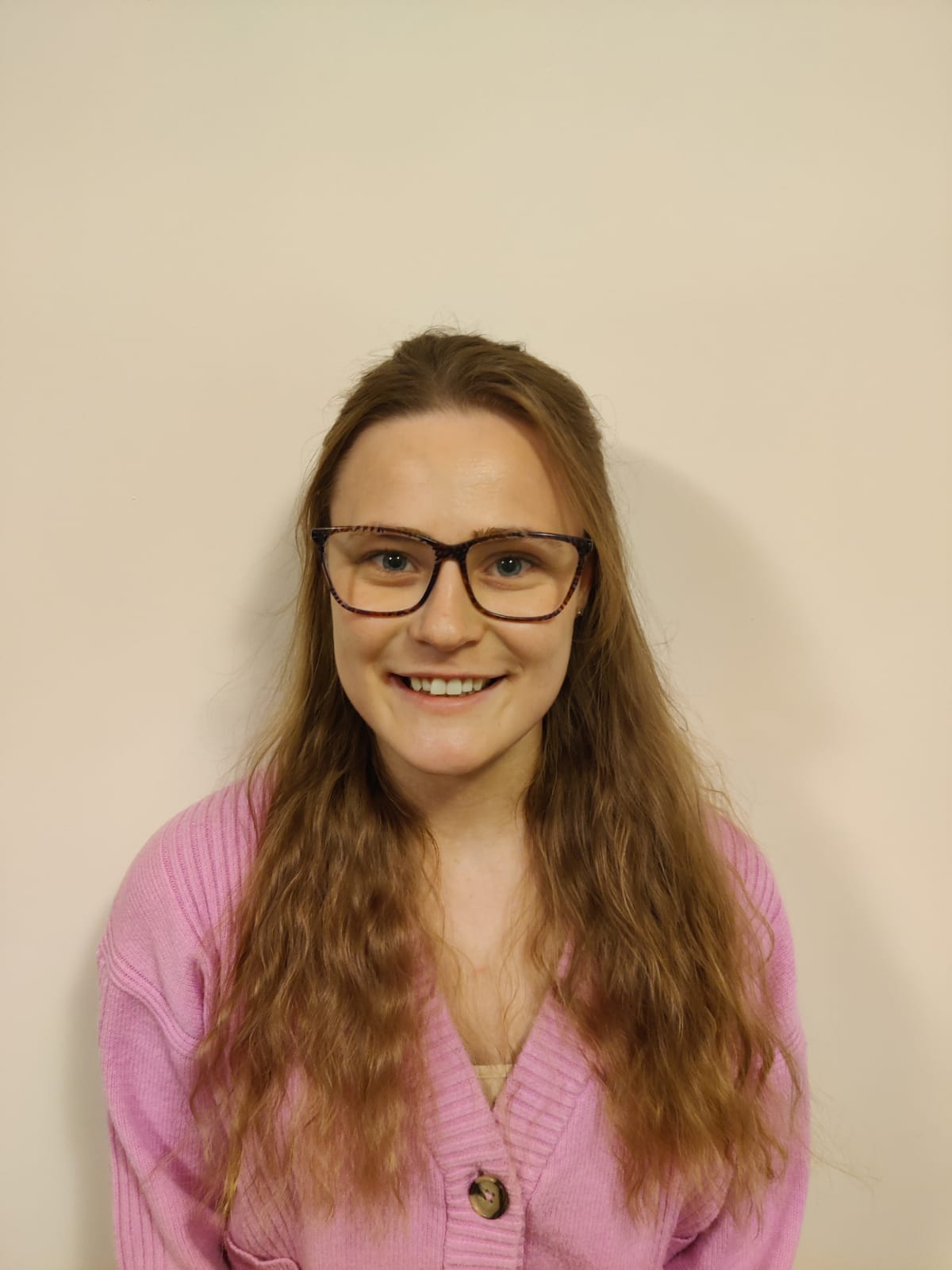 Senior Pharmacist Melissa Jones, explains:
“From the beginning, the focus was on listening and understanding what mattered most to him. We look at the whole person, not just their conditions. That means understanding what’s happening in their day-to-day life as well as their medical needs.”
Dave was given time and space to talk openly. This helped the team identify both his health challenges and the practical barriers he was facing.
Removing barriers to recovery
One of the first steps was addressing Dave’s housing situation. He was referred to Engage Leeds for support with applying for more suitable accommodation. At the same time, the team discovered that his referral for a hernia operation had been lost.
Melissa says:
“Sometimes it’s about picking up the things that have slipped through the net. If we hadn’t checked, Dave could have been left waiting indefinitely.”
The team worked with his GP to ensure the referral was resubmitted, getting his care back on track. Dave’s pain was a major barrier to his independence. Because of his chronic kidney disease, not all medications were safe. A multidisciplinary team (MDT) discussed his case.
Melissa explains:
“With complex conditions, we have to be really careful about medication choices. The MDT allows us to share expertise and make safe, informed decisions.”
The team agreed to prescribe pregabalin, a medication used to treat nerve pain. Dave’s progress was closely monitored through appointments, a home visit and follow-up calls. The impact was significant. Dave’s pain reduced dramatically. He began sleeping better and moving more easily. Tasks that had once felt impossible became manageable again.
Melissa reflects:
“Effective pain management can be transformative. For Dave, it meant he could get back to doing everyday things that most of us take for granted.”
He no longer needed to rely on his walking stick and could complete his trip to the local shop in a shorter time and without difficulty.
What’s next
As Dave’s health improved, so did his ability to live independently and engage in meaningful activity. He could spend more time on his model making and manage daily life with confidence.
Melissa sums this up:
“Health isn’t just about treating symptoms. It’s about enabling people to function - to live their lives, take part in activities and maintain their independence. That’s the real outcome.”
With the right support in place, Dave no longer requires ongoing input from the service and has been successfully discharged from the project. He is now:
- receiving support with housing through Engage Leeds
- back on the waiting list for surgery
- managing his pain effectively
Learning
Melissa highlights the wider impact of the work:
“Dave’s story shows why a holistic approach is so important. When you address both the medical and social side, you see much better outcomes. It also shows the value of collaboration. No single professional could have achieved this alone - it’s about working together.
“And importantly, it’s about advocacy. Sometimes people need someone to step in and help navigate the system. Ultimately, when we get it right, people don’t just feel better - they regain their independence. That’s what really matters.”
Dave’s story shows how joined-up care can change lives. By focusing on what matters to the individual, services can help people move beyond illness - and back into living.
You can also read the 'getting Dave back on his feet' case study as a PDF document.