
 About the project
Across West Yorkshire, neighbourhood health teams are working together to identify people who need support earlier and help them stay well at home. In Wakefield District, a new data tool is helping make that happen.
Using linked health and care data and machine learning, teams can now predict which people with certain conditions are most likely to need an emergency hospital admission in the next three months. This gives neighbourhood health teams time to step in with proactive support before they need emergency care.
Turning data into action
The tool was developed by the NHS Wakefield Business Intelligence team using the district's population linked data model. It brings together information from across health, care, housing and other services to create a fuller picture of someone’s needs.
The model currently focuses on people with chronic obstructive pulmonary disease (COPD), dementia and those receiving end-of-life care. It identifies people at high, medium and low risk of an unplanned emergency admission. The machine learning model predicts future admissions with more than 90% accuracy, helping teams focus support where it can have the biggest impact.
Supporting neighbourhood teams to act earlier
The tool helps clinicians, social care professionals and voluntary sector partners work together around people with the greatest need. By identifying risks earlier, teams can review care plans, coordinate support and put practical help in place before someone's health deteriorates. This is a key part of the neighbourhood health approach, which brings services together around local populations and focuses on prevention, personalised care and reducing avoidable hospital admissions.
 Dr Colin Speers, Director of Integrated Community Services and Digital Lead for Wakefield, said:
“This is a powerful step forward in making our decision-making truly clinically led and data-driven. The Wakefield Business Intelligence team has created an innovative resource that puts actionable insight directly in the hands of frontline teams.
“This is about turning data into better patient care and improving population health.”
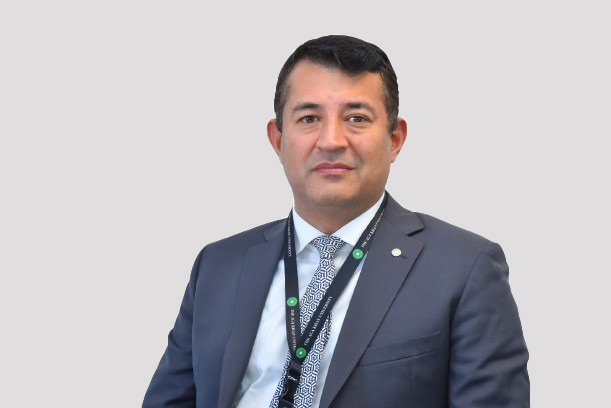 Shaukat Ali Khan, NHS West Yorkshire Integrated Care Board Chief Digital and Information Officer, said:
“The Business Intelligence team has created a resource that makes data truly actionable.
“It helps ensure our clinicians and partners have the information they need to make the best decisions for patients. It’s a great example of how business intelligence and frontline teams can work together to improve patient outcomes.”
A model for the future
The tool is already helping neighbourhood teams prioritise support and manage caseloads more effectively. It also supports the wider shift towards population health management, using data and insight to improve care for local communities.
As neighbourhood health develops across West Yorkshire, Wakefield's approach shows how data, technology and local partnerships can work together to deliver more proactive, joined-up care. The learning is now being shared across West Yorkshire to help other areas build on this successful approach.
You can also read the 'using data to support people before they need hospital care' case study as a PDF.