

Posted on: 26 June 2026
Today’s leadership message is from Natalie Knowles, Primary Care Partnership and Transformation Lead, NHS West Yorkshire ICB
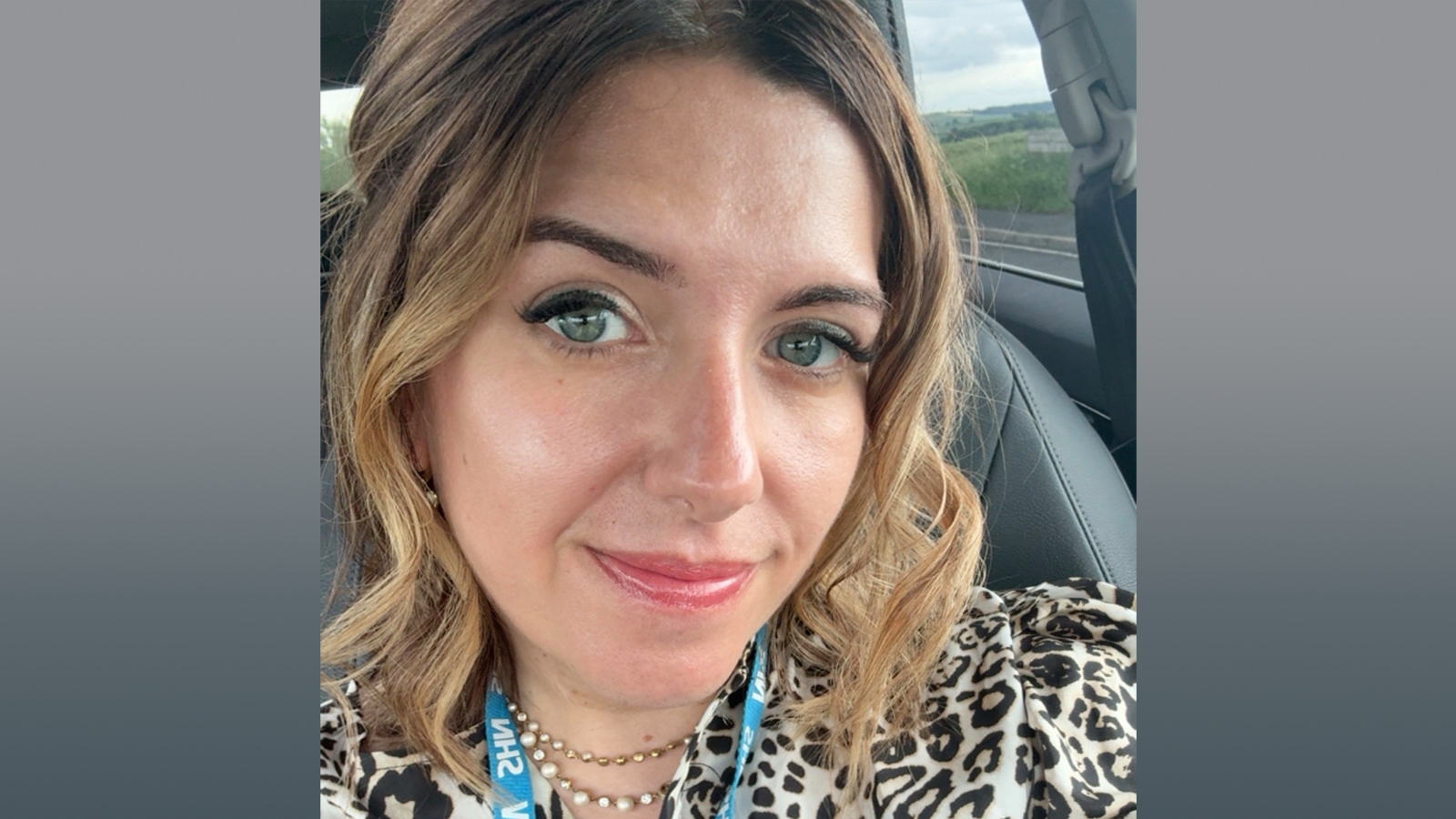
Inclusion health: Seeing the invisible, creating lasting change
Too many people in our communities live unseen. They exist on the edges of society. Their stories are often ignored, their struggles invisible and their voices unheard.
That’s the essence of inclusion health.
It’s about seeing the invisible – the people and stories that are too easily lost in the data or processes. People who experience homelessness, poverty, trauma, addiction or migration challenges. People who have been let down by a system that was never designed for the complexity of their lives.
When we talk about health inequalities, it can sound abstract, unachievable to make change. But behind every statistic is a heartbeat – a person who deserves to be seen, heard and valued. Inclusion health reminds us that equitable care isn’t a side project; it’s the true measure of a health system’s integrity.
Building bridges, not barriers
Across our ICB, we’re working to bring the principles of inclusion health to life – not as an add-on, but as a golden thread that runs through everything we do.
That means working differently. Bringing together GP’s community services, hospital trusts, housing teams, specialist outreach services and people with lived experience. It means not expecting people to fit neatly into our systems but redesigning those systems to meet people where they are.
Through neighbourhood health models, we are building bridges between the NHS and the spaces where people actually live their lives. That might mean clinical outreach into hostels, offering cervical screening from our mobile bus, embedding inclusion into discharge planning, convening multidisciplinary teams to discuss the most appropriate care for our most vulnerable populations or training our workforce to understand trauma and the impact of exclusion on health. It’s about recognising that inclusion isn’t just a pathway, it’s a mindset.
A culture of belonging
At its core, inclusion health is about connection, understanding and dignity. It challenges us to rethink how we engage with people, moving beyond traditional models of care to meet them in the realities of their lives. Instead of labelling someone ‘hard to reach’ it asks us to reflect: how can our services adapt to truly meet their needs? It’s about designing care that listens, responds and values people first – not the system.
This work demands honesty, courage and persistence. It asks us to hold up a mirror to the inequities within our own systems and to confront the uncomfortable truth that some people experience worse care, not because of their needs, but because of the barriers we’ve built.
And yet, the reward is profound. When inclusion health is done well, it transforms more than outcomes – it transforms relationships and it changes lives. You see it when someone who hasn’t engaged with health services for years starts to trust again. When someone accesses screening for the first time. When a person realises that their story matters.
Partnership with purpose
The strength of inclusion health lies in partnerships. Across our places, we’re bringing together health, housing, local authorities, secondary care, voluntary organisations and communities to design care that truly reflects real lives. We’re integrating lived experience feedback into service design, making sure those most affected by exclusion shape the solutions.
This approach isn’t just compassionate, it’s effective. We’re seeing how small shifts in culture and connection can ripple outwards, improving outcomes and restoring dignity. Supporting our priorities of living well for longer. We are seeing partners and services work together to reduce siloed working and remove barriers.
Inclusion health is everyone’s responsibility
Inclusion health challenges each of us – leaders, clinicians, commissioners and communities – to act. It asks us to listen deeply, to design bravely and to lead with humanity. Because inclusion isn’t a specialist service or a short-term initiative. It’s a movement towards fairness, kindness and belonging.
When we truly see people, everything changes. We stop asking, ‘Why don’t they engage?’ and start asking, ‘What’s getting in their way and what can we do about it?’
This is the heart of what we do. It’s not just about improving access. It’s about rebuilding trust. Restoring hope. Creating a health and care system that doesn’t just treat illness but values every person it serves.
Because when we include everyone – when we design for those at the margins – we build a system that works better for all of us.
Inclusion health isn’t an aspiration. It’s a responsibility and when we do it well, we don’t just change systems.
We change lives.
Thank you for reading, Natalie.
Remembering Dr Sasha Bhat
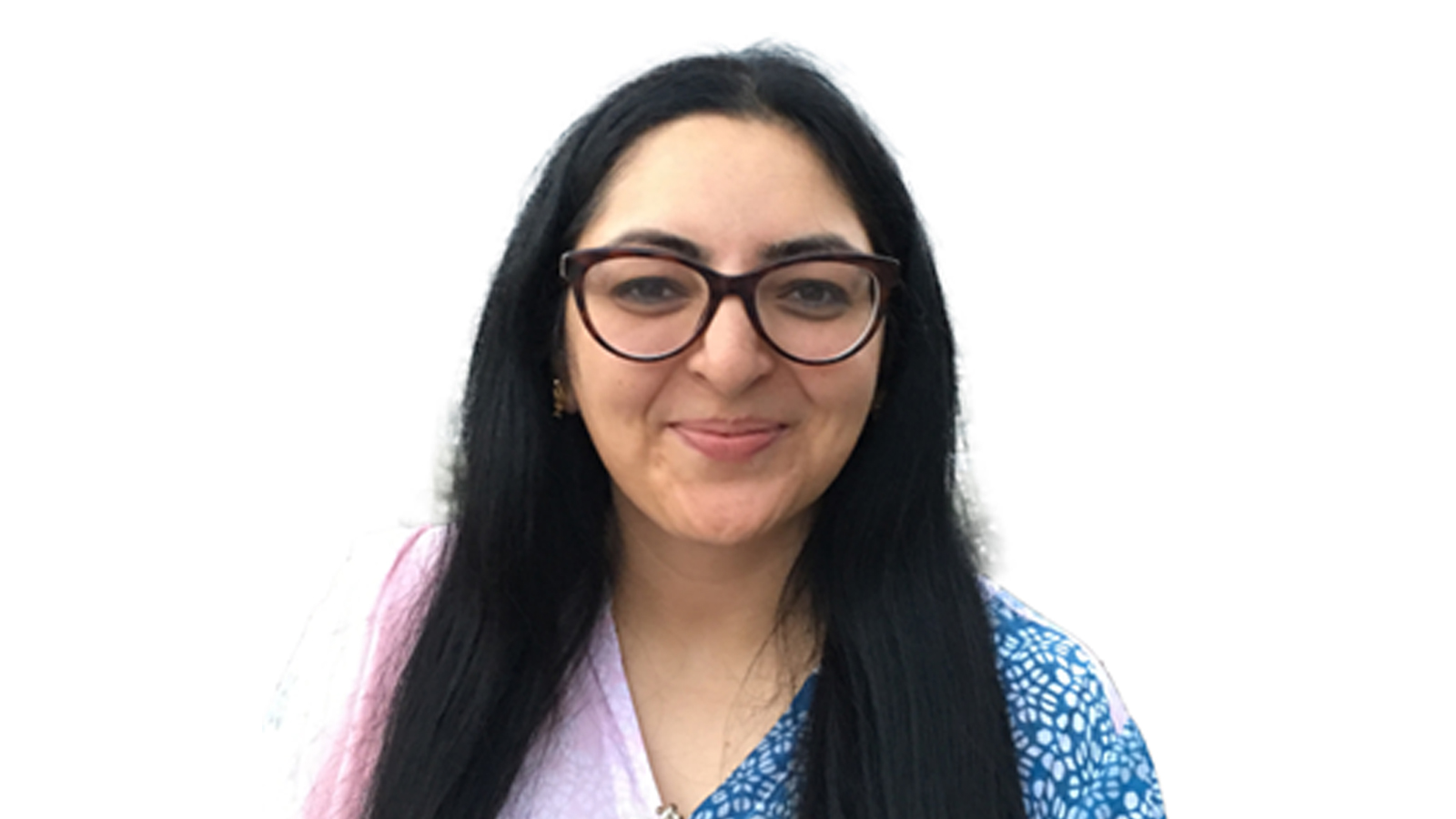
This week, we were deeply saddened to hear of the death of Dr Sasha Bhat.
Sasha made an exceptional contribution to health, care and communities across Bradford District and Craven over more than 20 years. Most recently, she was Deputy Director for Integration and Transformation at Bradford District Care NHS Foundation Trust and Priority Director for Healthy Minds at Bradford District and Craven Health and Care Partnership.
Throughout her career, Sasha worked across health and care, local government and the voluntary and community sector, with a particular focus on mental health, prevention, health inequalities, children and young people, and supporting the most vulnerable people in our communities. She was recently awarded an honorary Doctorate by the University of Bradford in recognition of her outstanding contribution.
Sasha was widely respected as a committed leader, colleague, mentor and friend, known for bringing people together and for her unwavering commitment to improving lives. Her warmth, energy and lasting impact will be greatly missed, and we extend our sincere condolences to her family, friends and all those whose lives she touched.
What's been happening?
Airedale NHS Foundation Trust shares first look at proposed plans for new hospital
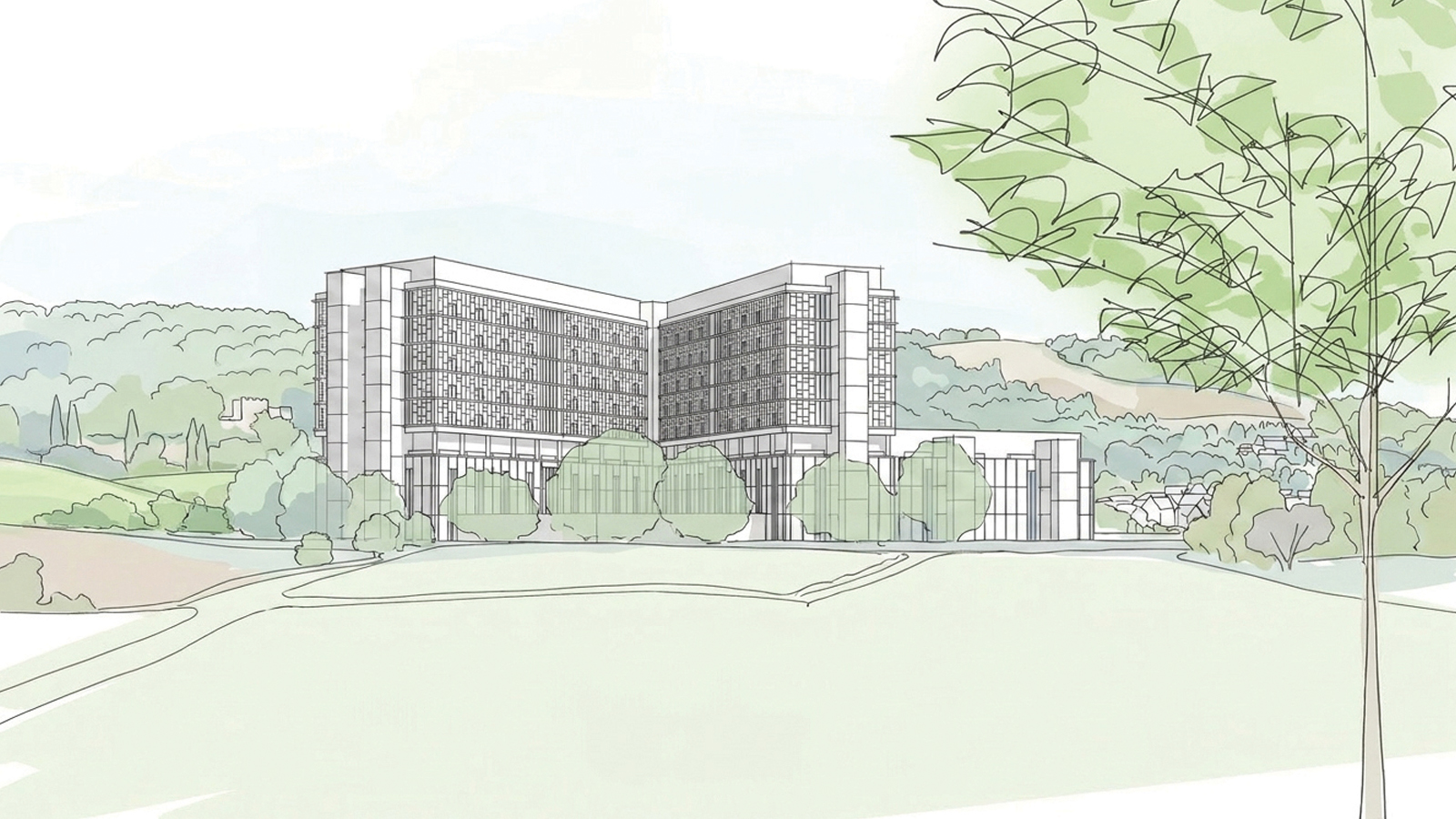
The first look at the proposed plans for the new state-of-the-art Airedale Hospital have been shared.
The design for the new hospital reflects the trust’s ambition to not just replace the hospital building, but to support improvements in care and experience, including reducing the length of hospital stays, providing more procedures in outpatient settings, and improving privacy, dignity and accessibility for patients and visitors.
It will also support the wider system's ambition to provide more integrated care and services, with more care provided from community settings and the hospital focusing on integrated specialist care that needs to be delivered in an acute environment.
Views about the plans are being sought from local people, patients and staff, with a wide range of activities taking place including an online survey, a face-to-face street survey, resident meetings, a neighbourhood door knock campaign, local community roadshows and an exhibition at Airedale Hospital.
To see the plans and find out more about how views can be shared, visit the trust website here.
CQC rates leadership at Calderdale and Huddersfield NHS Foundation Trust as good
The Care Quality Commission (CQC) has rated leadership at Calderdale and Huddersfield NHS Foundation Trust as good, following an inspection in March.
Calderdale and Huddersfield NHS Foundation Trust provides a range of acute and community-based services across Calderdale, Huddersfield and surrounding areas.
The well-led review of the trust included an on-site visit, as well as observations of the trust’s board and quality committee meetings. The trust was rated good in all eight quality statement areas. Find out more on the trust website.
Spen PCN wins national GP Excellence Awards for Innovation

A new Kirklees programme to support frail patients has won a national Neighbourhoods award.
Spen Primary Care Network (PCN) was announced the winner of the SystmOne GP Excellence Awards for its work to create a multidisciplinary team to look holistically at how they can help their most frail patients.
You can find out more about the programme on the Partnership website.
Bradford team wins NHS Excellence Award
The Marie Curie REACT team in Bradford has won the working in partnership award at this year’s NHS Excellence Awards. By identifying patients in crisis at the Bradford Royal Infirmary’s Emergency Department and providing rapid community support, the team reduced average hospital stays from 38 to 17 days. They saved over 20,000 bed days and ensured patients received compassionate end-of-life support in the comfort of their own communities and familiar surroundings. Congratulations to the team and all those who made the shortlist.
Find more details and all of this year’s winners on the NHS England website.
Network helps spread the word on long-term conditions in the workplace guide
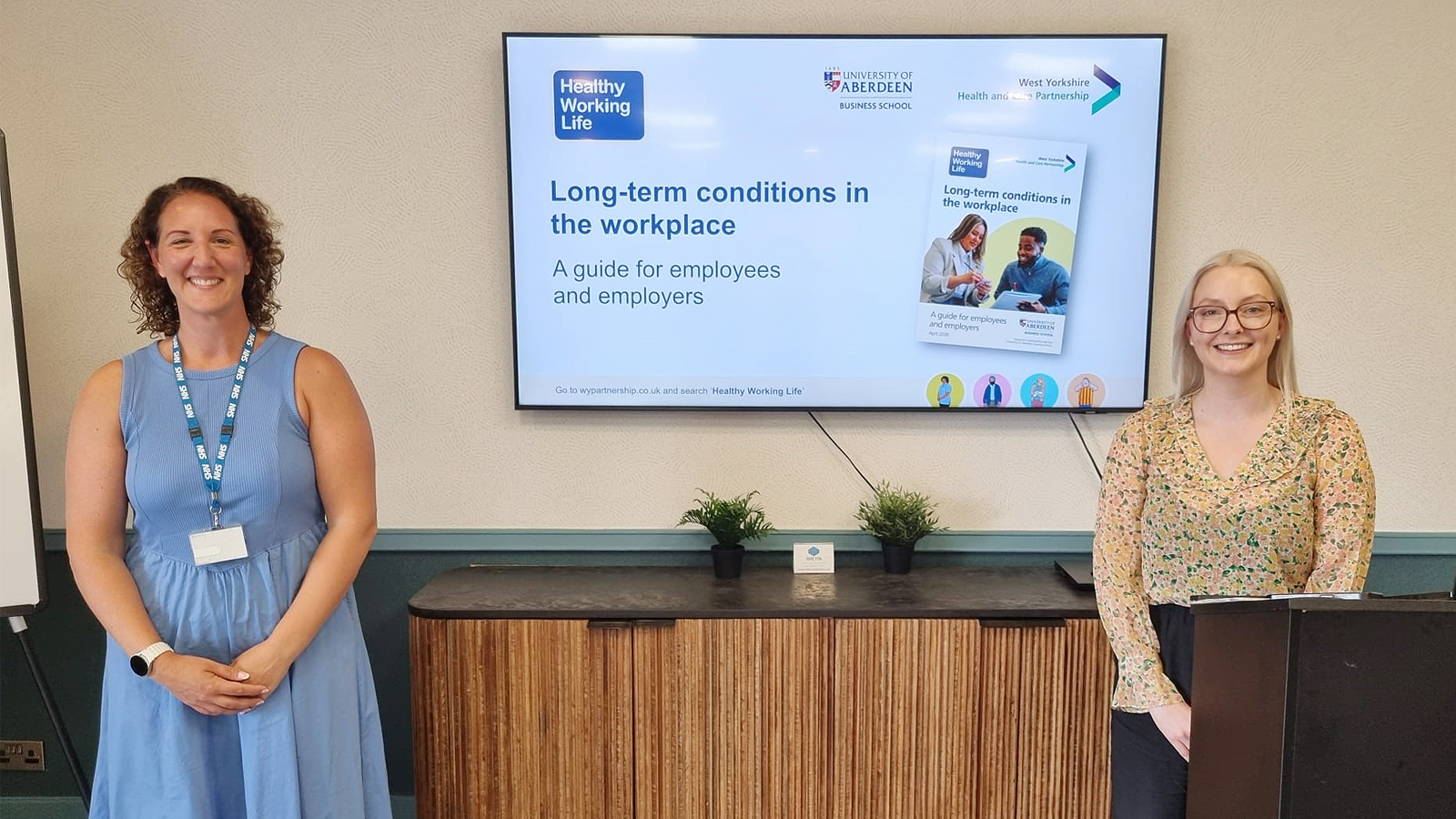
Vocational Rehab Clinical Lead Abigail Davis (on the right) and Programme Manager Laura Williams attended the Kirklees Inclusive Employment Network on 18 June to promote the long-term conditions in the workplace – a guide for employees and employers.
The network provided a valuable opportunity to raise awareness of the guide among employers and partners working across health, employment and skills. The resource is already proving popular with over 1,500 views on the Partnership website following a launch webinar attended by around 280 people in March.
Developed by the Bradford District and Craven Multi-system Rehabilitation Service in partnership with the University of Aberdeen Business School and NHS West Yorkshire Integrated Care Board, the guide offers practical, evidence-based advice to help people with long-term health conditions stay in work, return to employment and thrive in the workplace.
The guide was developed as one of the Healthy Working Life initiatives, a joint programme from the West Yorkshire Combined Authority and NHS West Yorkshire Integrated Care Board. The Inclusive Employment Network, also part of the programme, brings together employers, VCSE organisations and partners to create a more joined-up work, health and skills system.
The guide is also gaining wider recognition. Professor Alexandros Zangelidis from the University of Aberdeen Business School recently highlighted the resource in evidence submitted to a House of Commons inquiry into flexible working and disability, showcasing it as an example of practical support for employers and employees managing long-term health conditions at work.
Visit the long-term conditions website pages to find out more and access the resources.
Getting Dave back on his feet
The Three Long-term Conditions and Mental Health project at Seacroft Primary Care Network demonstrates how a holistic, person-centred approach can help people regain independence and improve quality of life.
Dave, a 66-year-old living with multiple long-term health conditions, chronic pain and mobility challenges, was supported through co-ordinated care involving social prescribing, pharmacy, housing support and multidisciplinary working. By addressing both his medical needs and wider social barriers - including pain management, housing issues and a missed surgical referral - the team helped Dave reduce his pain, improve his mobility and confidence, and return to meaningful daily activities such as model making.
Read more about Dave’s story on our Healthy Working Life pages.
Healthy Working Life is a joint programme from the West Yorkshire Combined Authority and NHS West Yorkshire Integrated Care Board.