
 In this blog, Natalie Knowles, Primary Care Partnership and Transformation Lead, NHS West Yorkshire Integrated Care Board (ICB) describes how through neighbourhood health models, we are building bridges between the NHS and the spaces where people actually live their lives.
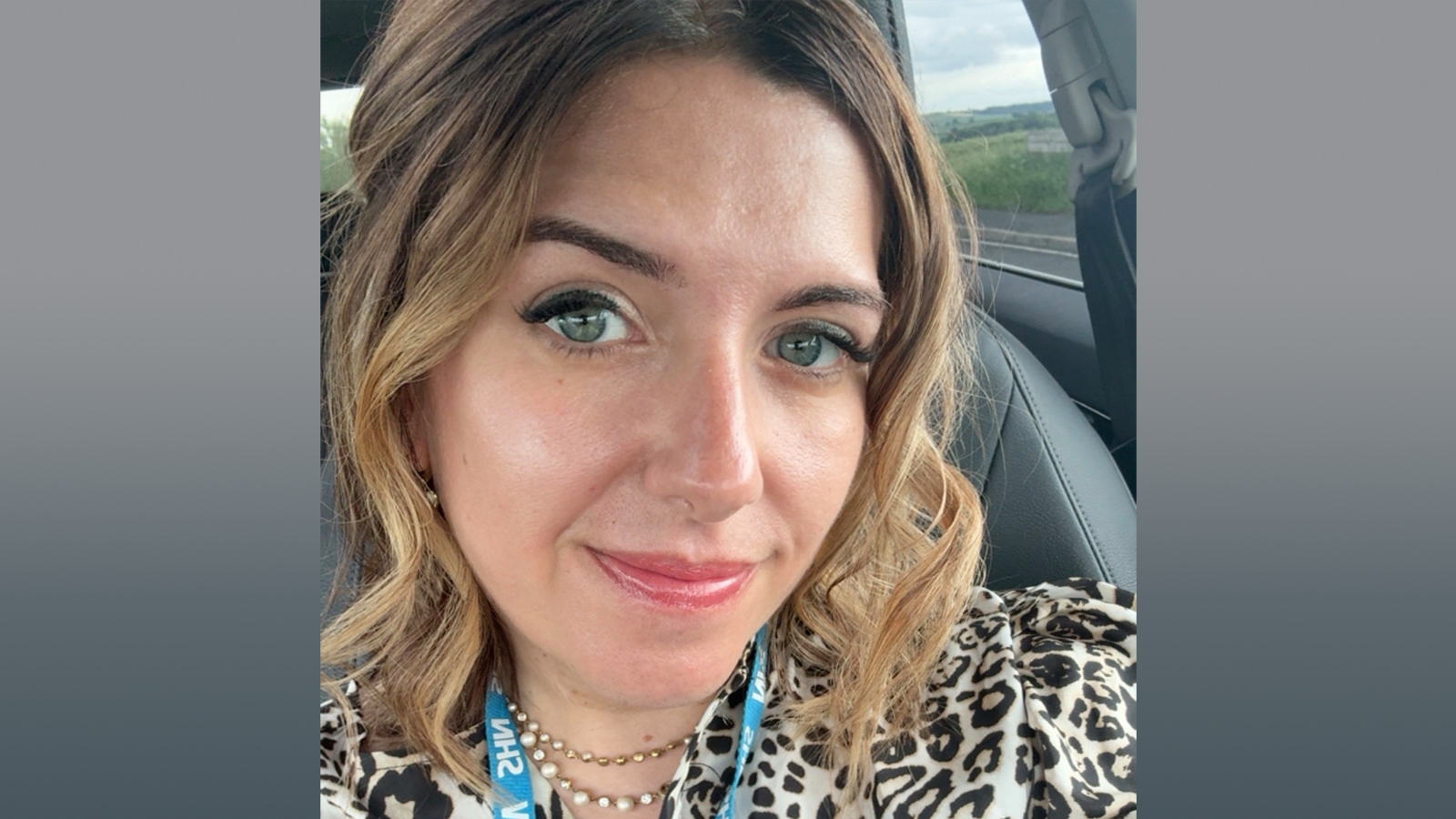
Hello, I'm Natalie
“Too many people in our communities live unseen. They exist on the edges of society. Their stories are often ignored, their struggles invisible and their voices unheard.
“That’s the essence of inclusion health.
It’s about seeing the invisible – the people and stories that are too easily lost in the data or processes. People who experience homelessness, poverty, trauma, addiction or migration challenges. People who have been let down by a system that was never designed for the complexity of their lives.
 “When we talk about health inequalities, it can sound abstract, unachievable to make change. But behind every statistic is a heartbeat – a person who deserves to be seen, heard and valued. Inclusion health reminds us that equitable care isn’t a side project; it’s the true measure of a health system’s integrity.”
Building bridges, not barriers
“Across our ICB, we’re working to bring the principles of inclusion health to life – not as an add-on, but as a golden thread that runs through everything we do.
“That means working differently. Bringing together GP’s community services, hospital trusts, housing teams, specialist outreach services and people with lived experience. It means not expecting people to fit neatly into our systems but redesigning those systems to meet people where they are.
“Through neighbourhood health models, we are building bridges between the NHS and the spaces where people actually live their lives. That might mean clinical outreach into hostels, offering cervical screening from our mobile bus, embedding inclusion into discharge planning, convening multidisciplinary teams to discuss the most appropriate care for our most vulnerable populations or training our workforce to understand trauma and the impact of exclusion on health. It’s about recognising that inclusion isn’t just a pathway, it’s a mindset.”