

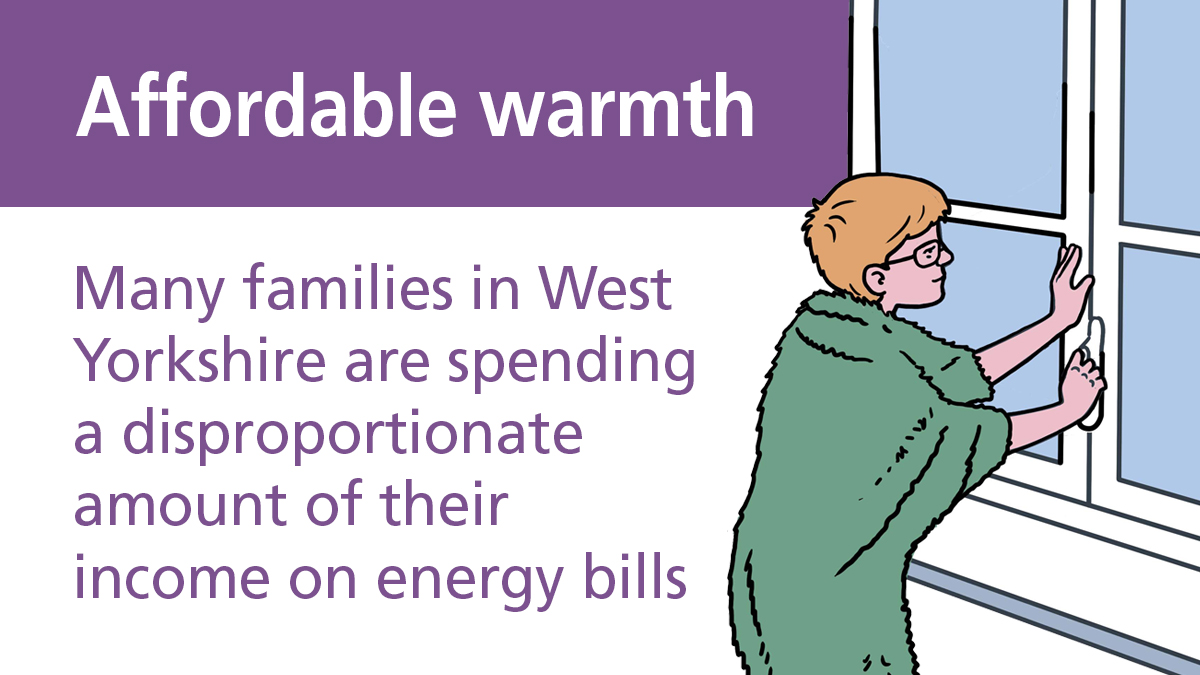
 Good quality housing is essential for good health. Cold, damp and unsuitable homes can worsen physical and mental health, contribute to health inequalities and increase demand on NHS services. Preventing and responding to housing-related health issues requires coordinated working across housing, health and the voluntary sector.
We work across our partnership to ensure that effective practice in health and housing is routinely shared and to support opportunities to integrate services where we can. By doing this, we aim to help colleagues identify housing-related health risks earlier and respond more effectively.
Why joint working matters
Substandard housing is a known cause of preventable illness, including respiratory conditions such as asthma and bronchitis. It can also exacerbate long-term conditions, increase isolation and affect mental wellbeing. Addressing housing issues early can help reduce future demand on health and care services and support people to live independently for longer.
Our shared priorities include:
- improving housing opportunities for people with mental health needs, learning disabilities and autism
- preventing homelessness and reducing rough sleeping
- maximising housing options for older people
- improving housing conditions and affordable warmth
 Maria Storer, Lead for Housing at West Yorkshire Health and Care Partnership, said:
“Housing and health are closely linked. Working together across organisations is essential if we are to prevent avoidable illness and reduce inequalities.”
Understanding the impact
The following experience illustrates why partnership working and shared resources are so important.
A Leeds mother lived for several years in a flat that was cold, damp and unsuitable for a family. As her daughter developed serious health problems, the interaction between housing conditions and access to care became increasingly clear.
“They said if I wanted to leave the house, I should find a private house, but I couldn’t afford to do this.”
At the same time, the family faced challenges securing a diagnosis for her daughter.
“Doctors couldn’t find what was wrong with my daughter at first and they didn’t take me seriously because they thought it was eczema or bronchitis.”
Without a diagnosis, it was difficult to link health concerns with environmental factors in the home.
“The flat made her sickness worse, but the severity of her allergies also made it difficult to take her out on public transport or other public spaces. I felt I was not listened to as a migrant parent and I don’t feel comfortable going to the GP because of not getting help for my daughter.”
Thanks to the help of an advocate, health professionals visited the property, assessed the conditions and confirmed it was unsuitable for a child with severe allergies and asthma. The family now has a safe home.
 George from Healthwatch across West Yorkshire said:
“People have told us about how their housing problems are affecting their health, but they don’t always feel heard. Sharing experiences like this helps understand the importance of understanding someone’s wider circumstances when providing health care. It also shows how important it is to really listen to people’s experiences and communicate clearly across housing and health services.”
One of our activities as a Partnership of Sanctuary is delivering Safe Surgeries training to primary care in partnership with Doctors of the World. Safe Surgeries commit to reducing barriers faced by migrants in accessing healthcare. This includes ensuring that lack of ID, proof of address, immigration status or language does not prevent GP registration. Improving access to primary care supports earlier diagnosis and helps link health needs with housing conditions.
Further information and support
- three people share how housing affects their health
- healthy housing section on West Yorkshire Healthier Together
Allergies and Asthma information for families: