

 What’s this project all about?
This activity is part of Healthy Working Life, a joint programme of the West Yorkshire Combined Authority and NHS West Yorkshire Integrated Care Board.
Matilda was referred into NHS Talking Therapies, delivered by Vita Health Group, as one of the Healthy Working Life initiatives. Following her assessment, she was offered prioritised, combined support from both a therapist and an employment adviser, ensuring her mental health and work situation were addressed together.
At the point of referral, Matilda was on sick leave with a fit note citing work-related stress and burnout. She described a demanding managerial role in a fast-paced environment, with significant responsibility for staff. Over time, she found herself working long hours, including evenings and weekends, and struggling to switch off from work.
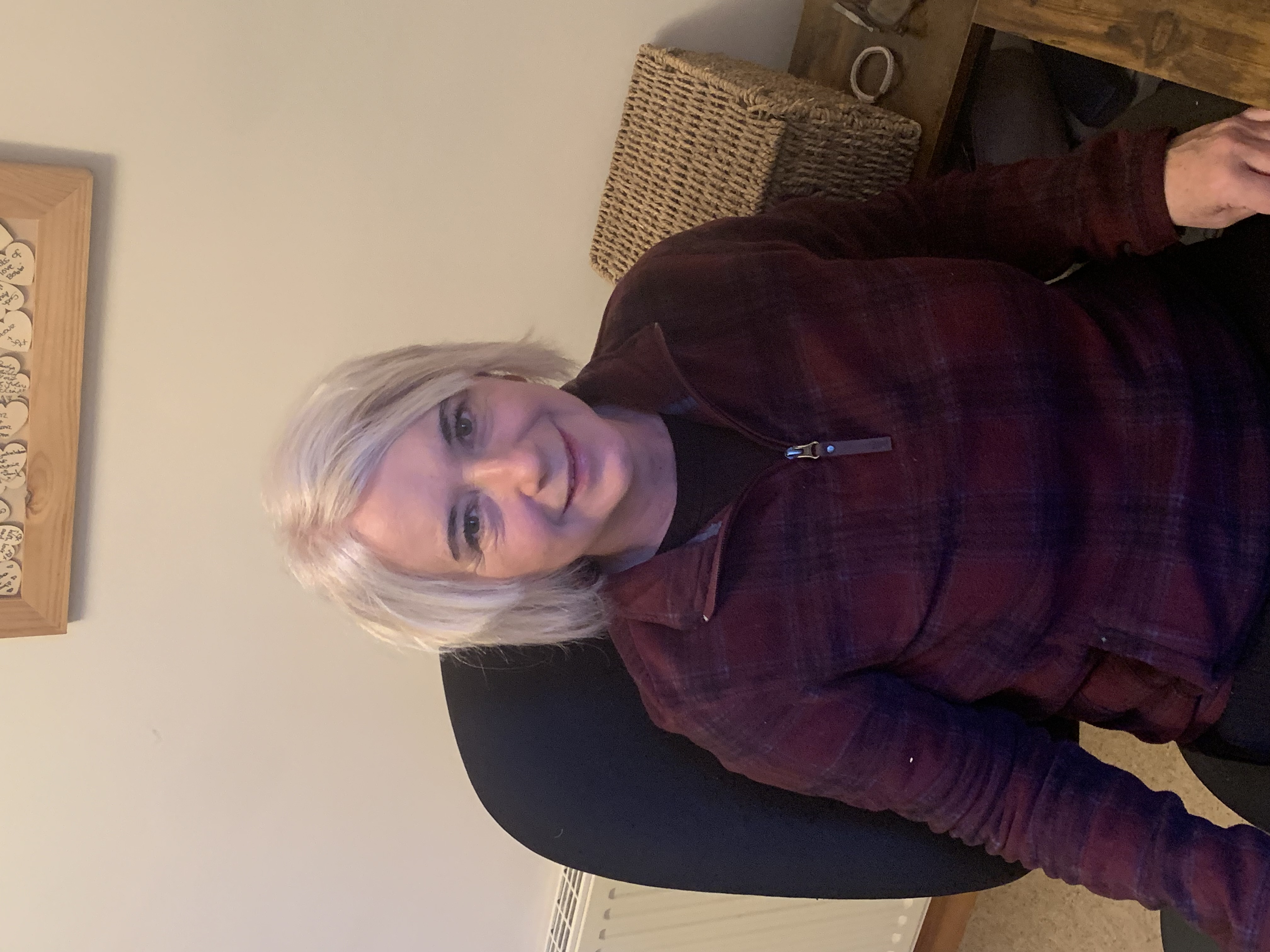 Carolyn Leonard, Employment Adviser, said:
“Matilda shared that she felt emotionally and physically overwhelmed, with persistent low mood and high levels of anxiety. Her symptoms were affecting her ability to cope day-to-day and she also reported that work had become significantly unmanageable, impacting her confidence and overall functioning.
“In simple terms, her assessment showed that she was experiencing severe symptoms of both depression and anxiety, along with major disruption to her ability to manage daily life and work.”
Therapeutic and employment support combined
Matilda engaged in five sessions of low intensity cognitive behavioural therapy (CBT) over eight weeks. CBT is a talking therapy that helps people understand how thoughts, feelings, and behaviours are connected, and develop practical strategies to improve wellbeing and coping.
Alongside therapy, Matilda worked with Carolyn to explore her options and rebuild confidence in relation to work. The support was structured around three clear and achievable goals:
- short term: understanding the return-to-work process, including phased returns, amended duties and occupational health involvement
- medium term: exploring alternative roles, including job searching, applications and interview preparation
- long term: Matilda’s own goal: “To be in employment and to feel supported, whether that is returning to my current role or finding new employment”
Carolyn explained:
“At the beginning, Matilda felt stuck between staying in a role that was impacting her health and not knowing what else was possible. Our work was about opening up those options in a safe and structured way.”
Together, they created a flexible plan that supported both a potential return to her current employer and a transition into a new career. This included CV development, identifying transferable skills, interview preparation and exploring suitable job roles.
A key part of the support was developing a wellness action plan (WAP). This is a practical tool that helps people identify what affects their wellbeing at work, what warning signs to look out for and what support helps them stay well.
Carolyn said:
“The wellness action plan helped Matilda put structure around what she was experiencing. It made it easier for her to explain her needs clearly and have more confident conversations at work.”
Through this process, Matilda also explored the role of occupational health (OH), a service that supports employees and employers in managing health at work. With guidance from Carolyn, she requested an OH referral and attended an assessment. Recommendations included adjusted duties, a phased return-to-work plan and workplace adjustments to support her wellbeing.
Following this, Matilda reflected on her options and made the informed decision that returning to her previous role would not be sustainable for her long-term health. She chose instead to focus on exploring alternative employment.
Carolyn reflected:
“This wasn’t about walking away from work. It was about recognising that work needed to be part of Matilda’s recovery, not something that undermined it.”
Personal impact
Through timely, joined-up support via NHS Talking Therapies, Matilda received coordinated therapy and employment support that helped her regain clarity, confidence and direction. With support, she made the decision to resign from her previous role, which her employer accepted. She then successfully secured a new job, starting in March 2026, working full time over four days.
By the end of support, Matilda’s wellbeing had significantly improved. Where she had previously been experiencing severe depression and anxiety that made day-to-day life feel overwhelming, she was now reporting minimal symptoms, with a much more stable and manageable emotional state. The earlier major impact on her ability to work and function day-to-day had reduced to very little disruption in her new routine.
At her final session - during her first week in her new role - Matilda reflected:
“If it wasn’t for this support, I would be nowhere right now. Our sessions have helped me realise my direction, what I needed to do, why I was feeling a certain way and how to find ways to get out of the situation I was in. I’m now able to recognise how I need to look at my work situation in the future.”
She also shared that she now had time and energy to return to volunteering and rejoin her local thespian group, activities that had previously fallen away during periods of poor mental health.
Carolyn concluded:
“Matilda’s story is a clear example of why work is a health outcome. When someone is supported to address their mental health alongside their work situation, the result isn’t just recovery - it’s sustainable, meaningful employment and a better quality of life.”
Thanks to Healthy Working Life, Matilda was supported at the right time, in a joined-up way, enabling her to make informed choices and move into work that better supported her wellbeing.
You can also read the from burnout to new beginnings – Matilda’s journey back to wellbeing and work case study as a PDF.