

 This activity is part of Healthy Working Life, a joint programme from the West Yorkshire Combined Authority and NHS West Yorkshire Integrated Care Board, focused on helping people stay healthy, well and in work.
What’s this project all about?
A routine follow-up appointment in Leeds has potentially prevented a life-changing stroke.
The case comes from the Multiple Long-Term Conditions (MLTC) and Mental Health project at Seacroft Primary Care Network, delivered through Healthy Working Life. The project aims to provide proactive, joined‑up support for patients with complex physical and mental health needs.
Symptoms that couldn’t be ignored
Andrew (name changed) lives with several long-term physical health conditions and mental health challenges. He was referred to the project so he could get more coordinated support and improve how he managed his health day-to-day.
He met with the Social Prescribing Team and a Clinical Pharmacist. Together, they agreed a simple, personalised plan focused on lifestyle changes and better condition management. Follow-up appointments were booked with Andrew to check progress.
At one of those follow-ups, Andrew mentioned something new.
He described short episodes of blurred vision, numbness in his right arm and difficulty speaking. His words sometimes came out sounding confused and not making sense. The episodes lasted around 30 to 40 seconds and had happened five times in a month, often after physical activity.
He had not told anyone before.
The pharmacist immediately recognised the warning signs and spoke to the duty GP. Although Andrew was hesitant about going to hospital, the GP escalated the case to the Brain Attack Team. Andrew received an urgent CT scan and was reviewed quickly by the TIA clinic. Doctors confirmed he had experienced transient ischaemic attacks (TIAs) - often described as ‘mini strokes’. His medication was changed straight away and further specialist appointments were arranged.
“That conversation may have prevented a major stroke”
 Sho Ahmed, Clinical Pharmacist says the outcome shows the power of pro-active, joined-up care:
“Andrew had been brushing these symptoms off. He didn’t want to make a fuss and he thought they would pass. Because we had built trust and had regular follow-ups in place, he felt able to mention them.”
 Katie Rees, Proactive Care Practitioner, added:
“When you give someone time and don’t rush the appointment, important things come out. In this case, that conversation may have prevented a major stroke.”
Sho says the structured follow-up made all the difference:
“If we hadn’t checked back in, those TIAs could easily have gone unnoticed until something much more serious happened. Early action protected his health - and it protected his future.”
Health and work go hand in hand
Untreated TIAs can lead to a full stroke, which can cause permanent disability and long-term loss of employment. By acting quickly, the team reduced Andrew’s risk of a serious stroke. They also helped him maintain his independence and ability to work.
Sho explains:
“Work is a huge part of someone’s wellbeing. It gives routine, income, purpose and social connection. When we keep people safe and stable in their health, we help them stay in work too.”
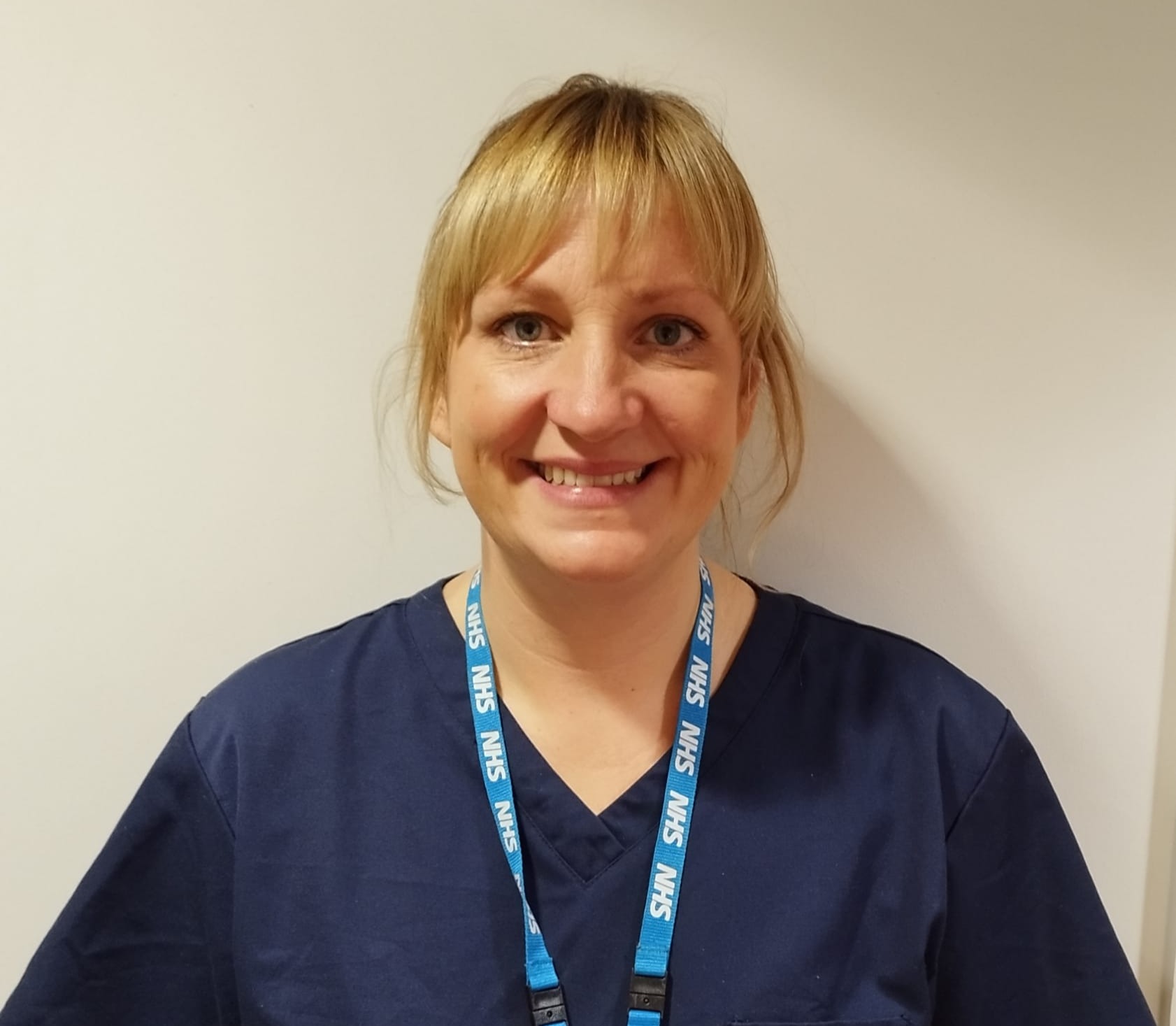 Becky Long, Proactive Care Practitioner added:
“We need to see the bigger picture. It’s not just about treating symptoms. It’s about asking: what does this mean for this person’s day-to-day life? In Andrew’s case, early intervention meant he could carry on with confidence.”
Andrew expressed:
“I am grateful for the support of the project team and I felt heard when speaking to them.”
A preventable crisis avoided
Without the MLTC and Mental Health project, Andrew’s warning signs may have been missed. Instead, a routine check-up led to urgent treatment, reduced stroke risk and greater long-term stability.
The case highlights how coordinated primary care, early intervention and trusted relationships can improve both health and employment outcomes - proving that prevention doesn’t just save lives, it protects livelihoods.
You can also read the early intervention through Healthy Working Life prevents major health crisis case study as a PDF. For more information see the Healthy Working Life website pages.