

Skip to main content Skip to navigation Skip to mobile navigation Skip to accessibility tools
West Yorkshire and Harrogate Health and Care Partnership logo
nhsLogo.png
  • About
    • About
    • Our approach to working together
      • Our approach to working together
      • Bradford Local Plan
      • Calderdale Local Plan
      • Kirklees Local Plan
      • Leeds Local Plan
      • Wakefield Local Plan
      • We stand together
    • Our mission, values and behaviours
    • Our 10 big ambitions
    • Our key achievements in 2023/24
    • Our partners
      • Our partners
      • Proud to be a partnership
      • West Yorkshire Hospice Collaborative
    • Partnership CEO lead
    • Integrated Care Board Chair
    • Partnership Board
    • Non-executive opportunities in the NHS
    • Our Race Equality Network
  • West Yorkshire ICB
    • West Yorkshire ICB
    • About our Integrated Care Board
      • About our Integrated Care Board
      • Who's who
      • Our partners
      • Integrated Care Board constitution
      • Committees
      • Governance
        • Governance
        • National Fraud Initiative
        • Lists and registers
        • Bribery Act 2010 and Economic Crime and Corporate Transparency Act 2023
      • Equality, diversity and inclusion
      • Improving the diversity of our leadership
      • About integrated care systems
      • How we use data
      • General Practice information
      • Emergency preparedness, resilience and response
      • ICB organisational structure
      • Chair recruitment
    • Places
      • Places
      • Bradford District and Craven
      • Calderdale
      • Kirklees
      • Leeds
      • Wakefield District
    • Meetings
      • Meetings
      • Annual General Meetings (AGMs)
        • Annual General Meetings (AGMs)
        • Annual General Meeting - 23 September 2025
      • Integrated Care Board
        • Integrated Care Board
        • Extraordinary NHS West Yorkshire ICB Board Meeting - 10 February 2026
        • Board engagement sessions
      • Audit Committee
      • Finance, Investment and Performance Committee
      • Quality committee
      • Remuneration and Nomination Committee
      • Transformation Committee
      • Transition Committee
      • Place committees
    • Documents
      • Documents
      • Annual Report and Accounts
        • Annual Report and Accounts
        • ICB Annual Report and Accounts 2024-2025
      • Commissioning policies and contract updates
      • Governance documents and policies
      • Reports and plans
      • Our Joint Forward Plan 2024
      • Publication scheme
      • Medicines classification and guidelines
      • NHS continuing healthcare
      • Disclosure log
      • Corporate policies
      • Zero tolerance
      • Accreditation for the award of contracts
      • Modern slavery statement
      • People Strategy 2024-2027
    • Involvement
    • Contact
      • Contact
      • Submit a question to the Board
      • Submit an information request
        • Submit an information request
        • Subject Access Request
      • Comments, concerns and complaints
      • NHS continuing healthcare
      • You and Your General Practice
    • News
    • Partnership website
  • Our priorities
    • Our priorities
    • The difference our Partnership is making
    • Cancer
    • Capital and estates
    • Children, young people and families
    • Digital technology
    • Healthy Working Life
    • Hospitals working together (WYAAT)
    • Improving population health
    • Innovation and improvement
    • Integrated Neighbourhood Health
    • Long-term conditions and personalised care
    • Medicines and prescribing
      • Medicines and prescribing
      • Mounjaro® (tirzepatide) and weight management in West Yorkshire
    • Maternity care
    • Mental Health, Learning Disability and Autism
    • Power of Communities
      • Power of Communities
      • Volunteering in West Yorkshire
    • Planned care
    • Primary and community care
      • Primary and community care
      • Dental services
        • Dental services
        • Improving dentistry in West Yorkshire
        • Community dental services
      • Respiratory Care
      • Virtual wards
    • Suicide prevention
    • Supporting carers
      • Supporting carers
      • Carers hospital discharge toolkit
      • Carers App and Digital Contingency Plan
    • Urgent and emergency care
    • Vaccination and immunisations
    • Workforce
      • Workforce
      • Allied Health Professions
      • Mental Health, Learning Disability and Autism workforce
      • People Plan
      • Staff Mental Health and Wellbeing Hub
      • System and Leadership Development
      • Racial Inequalities Training
      • The Race Equality Network
  • News
    • News
    • Blogs
    • Podcasts
  • Meetings
    • Meetings
    • Our Partnership Board
      • Our Partnership Board
      • Partnership Board papers
        • Partnership Board papers
        • West Yorkshire Health and Care Partnership Board meeting - Tuesday 7 March 2023
        • West Yorkshire Health and Care Partnership Board meeting - Tuesday 6 June 2023
        • West Yorkshire Health and Care Partnership Board meeting - Tuesday 5 September 2023
        • West Yorkshire Health and Care Partnership Board meeting - Tuesday 5 December 2023
        • West Yorkshire Health and Care Partnership Board meeting - Tuesday 5 March 2024
        • West Yorkshire Health and Care Partnership Board meeting - Tuesday 16 July 2024
      • Board membership
      • Ask the Partnership Board a question
    • Supporting ethnic minority communities and staff - review panel
    • NHS West Yorkshire Integrated Care Board
  • Publications
    • Publications
    • The difference our partnership is making (case studies)
    • Our Joint Forward Plan 2024
    • West Yorkshire Integrated Care Strategy 2023
    • Our People Plan 2021-25
    • Tackling health inequalities for ethnic minority communities and colleagues
    • Ethical Framework for West Yorkshire Health and Care Partnership
    • West Yorkshire Suicide Prevention Strategy 2022-27
    • Easy reads
    • Other publications
    • West Yorkshire Public Involvement Report 2023-24
    • West Yorkshire ICB Placement Strategy
    • Power of one power of many
  • Campaigns
    • Campaigns
    • Leaving a Gap
    • All hands in
    • West Yorkshire Suicide Prevention Champions
    • Check-in: staff suicide prevention campaign
    • Check-in with your mate
    • Looking out for our neighbours
    • Root Out Racism
    • Together We Can
      • Together We Can
      • Together We Can campaign resources
    • Medicines Safety campaign
    • #MumsCan quit smoking
    • Rightsizing - your home, your choice
    • Speak with a midwife
      • Speak with a midwife
      • Speak with a midwife - for health & care professionals
    • Find out how you really are
    • Seriously Resistant
    • Reasonable Adjustments
    • Mental Health, Learning Disabilities, and Autism Healthcare Support Worker recruitment
    • Maternal Mental Health
    • Gloves off
    • #LetsConnect
    • Vaccinations and immunisations
    • #AutismADHDAllies
    • Midwifery careers
    • Only order what you need
      • Only order what you need
      • Only order what you need - campaign resources
      • Answering your questions about medicines waste
  • Involvement
    • Involvement
    • Get involved
      • Get involved
      • Non-Emergency Patient Transport Service
      • West Yorkshire Voice
        • West Yorkshire Voice
        • Join West Yorkshire Voice today
        • Telling people about West Yorkshire Voice
        • West Yorkshire Voice newsletter
        • West Yorkshire Voice members' page
        • How your voice has helped
        • Meet the West Yorkshire Voice team
      • Health and Care Champions
      • Building a new equity and fairness strategy for West Yorkshire
      • Change NHS: Helping shape a health service fit for the future
      • Perinatal Pelvic Health Service – Patient experience
      • Help shape the future of obesity services in West Yorkshire, Humber and North Yorkshire
      • West Yorkshire mental health crisis support - Your experiences and feedback
    • Previous involvement
    • Consultation
    • Working in partnership
      • Working in partnership
      • Wider Involvement Network
    • Evaluating our involvement
    • Co-production
    • Working with Healthwatch
    • Involvement framework
    • Involvement and consultation mapping report
    • West Yorkshire Public Involvement Report 2023-24
    • Communication and involvement plan
  • Contact
    • Contact
    • Any questions?
      • Any questions?
      • You said, we did...
      • Frequently asked questions
      • Integrated Care Jargon Buster
  • Together We Can
    • Together We Can
    • Seasonal health

Evaluating the Healthy Working Life programme in West Yorkshire

Healthy Working Life illustration of someone kicking a ballThis activity is part of Healthy Working Life, a joint programme of the West Yorkshire Combined Authority and NHS West Yorkshire Integrated Care Board.

Why evaluation matters

With over 60 Healthy Working Life (HWL) pilot projects underway evaluation is essential to help understand what works well, what needs to change and what we can improve in the future. A key aim is to share this learning with health and care colleagues across West Yorkshire, so future projects can build on real experience.

Our approach to evaluation and monitoring

Evaluation is in two parts: national and West Yorkshire wide.

The national evaluation is led by the Rose-NET team, a collaboration between the University of Manchester, the University of Leeds and Manchester University NHS Foundation Trust. It is commissioned by the National Institute for Health and Care Excellence (NIHR) on behalf of NHS England and West Yorkshire Integrated Care Board (ICB).

The national evaluation takes a high-level view, while the West Yorkshire evaluation looks in more detail at local delivery and provider experience. Will Ridge, Senior Evaluation Manager and Gemma Howorth, Senior Analytics and Insight Manager, recognise both the value of the work and the challenges for providers.

As Will explains: “We can always learn and we can always improve. Talking to people who have been on the ground and having to work through the process of evaluation is really important.”

Gemma adds: “Collecting data helps identify the most effective interventions, strengthens the evidence base for future funding and underpins the case for continuing and expanding Healthy Working Life approaches.”

Alongside quantitative data, we also collect qualitative insight through interviews and conversations with providers. This gives organisations opportunities to talk about what it has taken to get projects up and running.

Data submission and support

Providers send in their data once a month using a standard Excel template from the national programme. To help with this, we produced a simple guidance document and ran webinars explaining how to submit the data.

The completed templates are uploaded securely through an online portal by the 15th of each month. Providers are supported to get the codes they need to upload their data safely. The webinars were recorded so providers can watch them again and additional NHS England guidance is available through the portal.

We provide ongoing support to providers throughout the process as Laura Dixon, Health Care Manager-Health Care Public Health, explains:

“It’s not people’s everyday job - it’s an add-on. It’s a steep learning process, so we provide information in stages to avoid overwhelming people.”

Provider experiences

We spoke to three provider organisations about their experience of using the evaluation template and uploading data.

Change Grow Live (CGL)

Change Grow Live is a health and social care charity providing free, confidential support around drug and alcohol use, homelessness, justice, employment and wellbeing.

CGL Kirklees operates the ‘individual placement and support’ (IPS) model of employment support.  The Healthy Working Life project was conceived in order to increase the numbers of referrals to IPS support for CGL service users that were accessing treatment for opiate misuse.  This is a cohort that is under-represented in referrals for employment support.

Andrew Craig, CGL’s Senior Employment Specialist, Individual Placement and Support found the evaluation process challenging:

“The demands on time weren’t anticipated. The reporting spreadsheet wasn’t user-friendly and there was lots of jargon.”

Andrew described technical issues that were hard to spot and fix:

“There were regularly errors on the reporting spreadsheet that you couldn’t see with the naked eye - things like commas where a cell had been clicked on but no text added.  This caused the data uploads using the spreadsheet to be rejected”

He also highlighted the difficulty of measuring outcomes in this type of work:

“Soft outcomes are more difficult to measure. Although we strive for hard outcomes, such as jobs, for our clients , often this results in soft outcomes, sowing the seeds of the idea of work to people using heroin. Some people need more time before they’re ready to engage with employers.”

Despite the challenges, Andrew acknowledged that support was responsive and reflected on the importance of co-production:

“We need to co-produce solutions rather than impose them.”

Community Wellness Champions

Patient getting blood pressure takenThe Community Wellness Champion project is delivered through a coordinated approach by three VCSE organisations, working alongside St Mary’s Community Centre, Havercroft and Ryhill Community Learning Centre and RedRoof community centre CIC. The project gives local residents the opportunity to talk about their health and wellbeing, receive a blood pressure check and access lifestyle advice and onward support. It helps to identify undiagnosed conditions, prevent future ill health and connects people with employment support services where needed.

Havercroft and Ryhill Community Learning Centre

The Havercroft and Ryhill Community Learning Centre provides activities for people of all ages, including youth groups, over-55 activities, parent and toddler sessions and a community cafe.

Katherine Walker, Assistant Manager and Chloe-Wednesday Thompson, Admin Assistant, described starting from scratch with no previous experience of data uploads.

“When you don’t have any knowledge and you see the Excel spreadsheet, you panic.”

They explained that breaking the task down and receiving one-to-one support made a big difference:

“The IT support we received really helped us navigate the evaluation process. Everybody has been really easy to communicate with.”

They also valued the reassurance that they were doing things correctly:

“We didn’t have anything sent back to us – so we knew we must be doing it right.”

Chloe reflected on the longer-term benefits:

“This has taught me that you can break it down and it’s not as difficult as it first looks. That confidence will be helpful in the future.”
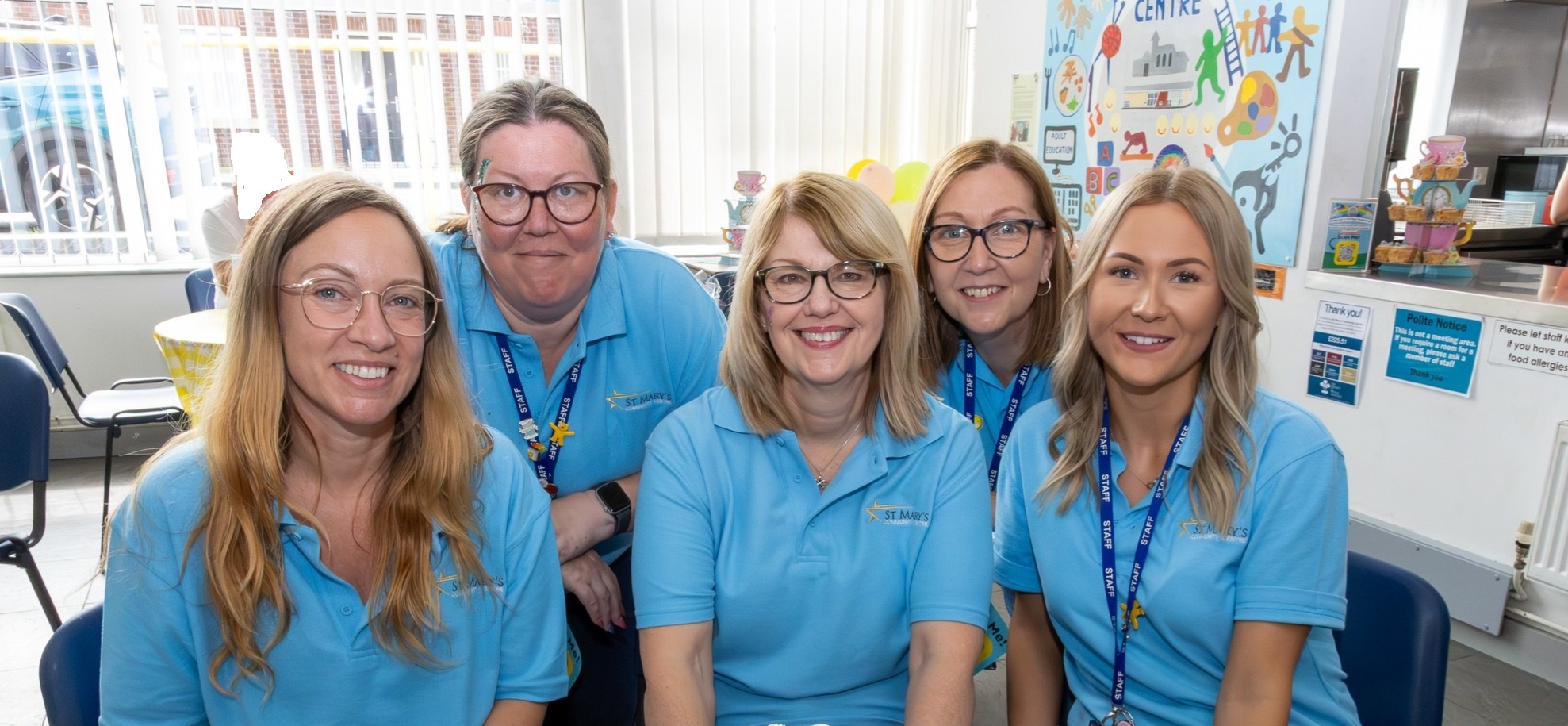
St Mary's team St Mary’s Community Centre, Pontefract

St Mary’s Community Centre provides adult education, health and wellbeing activities and community support.

Denise Pallett, Operations Manager, described a mixed but supported experience.

“The first month was OK, but the second month we had problems uploading. When you see errors coming up, it’s a bit scary.”

Although she found some technical issues difficult, Denise emphasised the value of support:

“The team has been really helpful and made sure we had lots of resources.”

Her advice to others was clear:

“Don’t be afraid to ask. There’s plenty of support available and people have been very supportive and understanding.”

Learning and adapting our approach

Will said: “There’s lots of great work happening, but it’s a big and onerous task. Smaller organisations don’t have IT departments, so they need extra support.”

Gemma highlighted that written guidance alone is not enough:

“The step-by-step guide we produced is just the first step. People really need someone on the other side of the screen to help them understand error messages and what to do next.”

This feedback has reinforced the importance of responsive, one-to-one support alongside technical guidance.

As Laura reflected: “I’m not a data person but knowing where to connect into the wider system for help shows that the right support is in place.”

What we’ve learned

The evaluation process has shown that:

  • data collection is essential but challenging, especially for smaller providers
  • one-to-one support is critical to building confidence and capability
  • breaking tasks into manageable steps reduces anxiety and improves engagement
  • provider feedback must continue to shape how evaluation is designed and delivered

This learning will help strengthen future Healthy Working Life and other initiatives ensuring the evaluation approaches work for everyone involved.

You can also read the evaluating the Healthy Working Life programme in West Yorkshire case study as a PDF. 

Our Partners

Bradford Council: Home
CMBC_-_Logo_carousel.png
Kirklees Council
Leeds City Council
North Yorkshire Council
Wakefield Council
Airedale Foundation Trust
Bradford Teaching Hospitals NHS Foundation Trust
Bradford District Care NHS Foundation Trust
Calderdale and Huddersfield NHS Foundation Trust
Harrogate and District NHS Foundation Trust
Leeds and York Partnership NHS Foundation Trust
Leeds Community Healthcare (LCH)
Leeds Teaching Hospitals NHS Trust
The Mid Yorkshire Hospitals NHS Trust
South West Yorkshire Partnership NHS Foundation Trust
Yorkshire Ambulance Service
NHS England
Healthwatch
Locala Community Partnerships CIC
Spectrum Community Health CIC
UKHSA_-_Logo_carousel.png OHID_-_Logo_carousel.png

Footer information

Privacy notice | Accessibility statement | Modern slavery statement

Accessibility tools

Text size:
Contrast:
Frank Ltd.
Return to header