

 What’s this project all about?
This activity is part of Healthy Working Life, a joint programme of the West Yorkshire Combined Authority and NHS West Yorkshire Integrated Care Board.
Sara (not her real name) was referred to NHS Talking Therapies, delivered by Vita Health Group, through the Healthy Working Life programme. After a first assessment, it was agreed that Sara did not need therapy at that time. However, she was experiencing ongoing challenges at work.
Through the Healthy Working Life approach, Sara was able to access dedicated employment support straight away. This meant she received the right help at the right time, without being passed between services.
At the point of referral, Sara was on long-term sick leave with a fit note for work-related stress and anxiety. She wanted to return to work by January 2026.
Sara works in a busy frontline community care role. She described being neurodivergent and said this was affecting her experience in 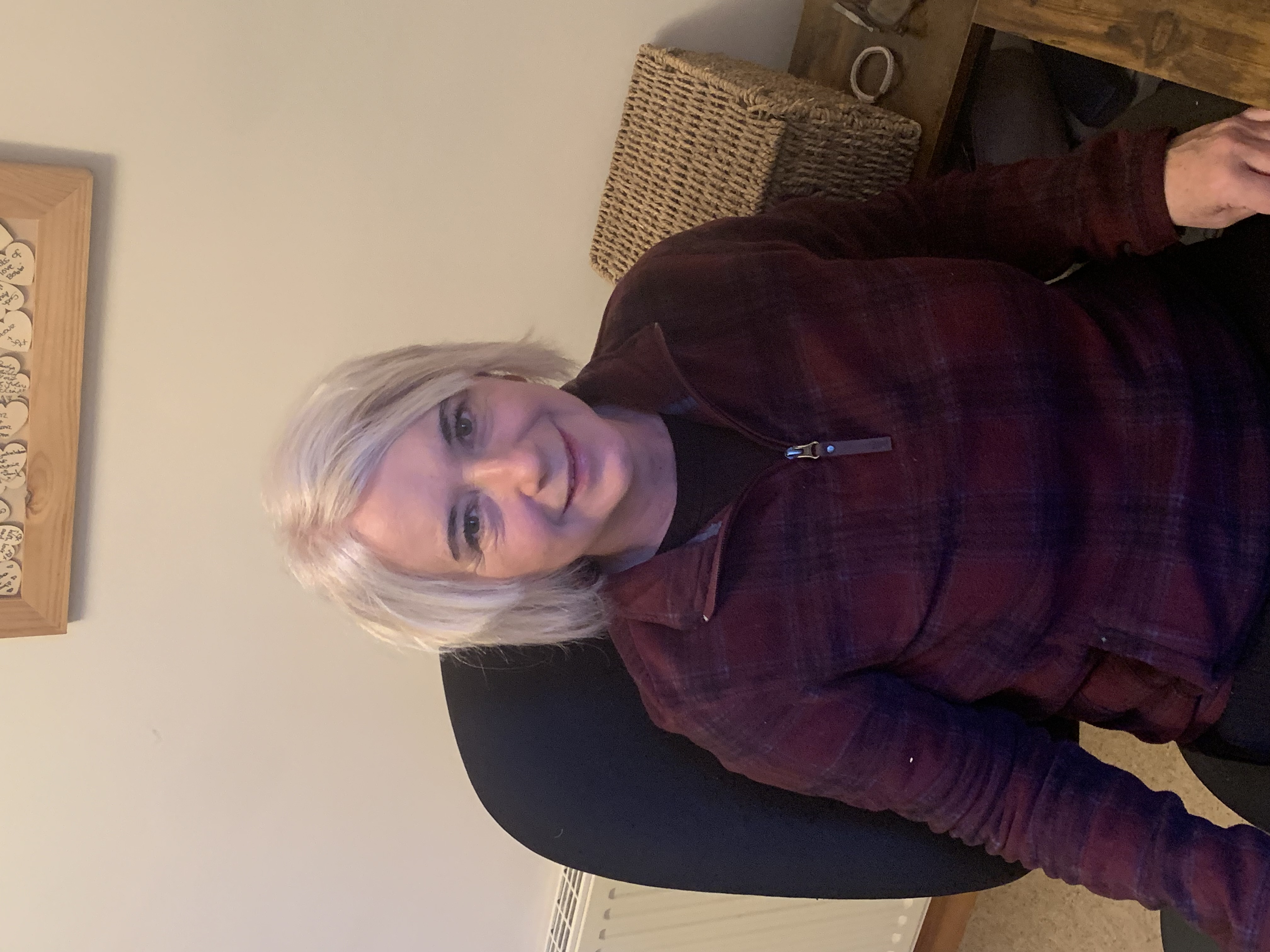 the office and within her team. She was also worried about an upcoming move to a new office location.
“Work is a key part of recovery. When we support someone to return in the right way, it can improve both confidence and mental health,” said Employment Adviser Carolyn Leonard.
Employment support
Together, Sara and Carolyn created a personalised plan focused on returning to work safely and sustainably.
This included:
- planning a phased return to work
- advice on reasonable adjustments for mental health and neurodiversity
- guidance on managing and improving communications and relationships at work
- strategies to reduce workplace stress
- building confidence in workplace conversations
- creating a wellness action plan (WAP)
- increasing employer awareness of mental health and neurodiversity
The wellness action plan helped Sara identify triggers, understand their impact and find practical ways to communicate her needs.
“We focused on what good work looks like for Sara - not just getting back, but staying well at work,” Carolyn explained.
Carolyn also introduced Sara to occupational health support. With encouragement, Sara requested a referral through her manager. The assessment provided recommendations, including adjusted duties and a structured return plan.
Over four weeks, she gradually increased her hours and returned to her full-time role.
Work became a positive part of Sara’s recovery. With the right support in place, she was able to manage challenges, protect her wellbeing and feel more in control.
Following completion of her phased return, Sara said:
“It is continuing to go well, this type of work is always going to be challenging, but the difference is my mental health is so good. I am smashing it due to looking after myself, not drowning, I do the work and go home. And my team has been so supportive. I have re-adjusted my thinking and expectations by stepping back and it has been so freeing. I have learnt to let other people take the slack on things.”
During her final session, she added:
“Thank you so much for all your help. It has made such a difference knowing I had someone who had my back, who listened and understood, helping me to put things into perspective.”
What’s next?
Carolyn concluded: “Sara’s story shows how well-timed, work-focused support can help people return to and stay in work. By focusing on practical steps, communication and the right adjustments, work can become part of recovery - not a barrier to it.”
You can also read the 'supporting Sara’s return to work and wellbeing' case study as a PDF.