

Posted on: 17 February 2026
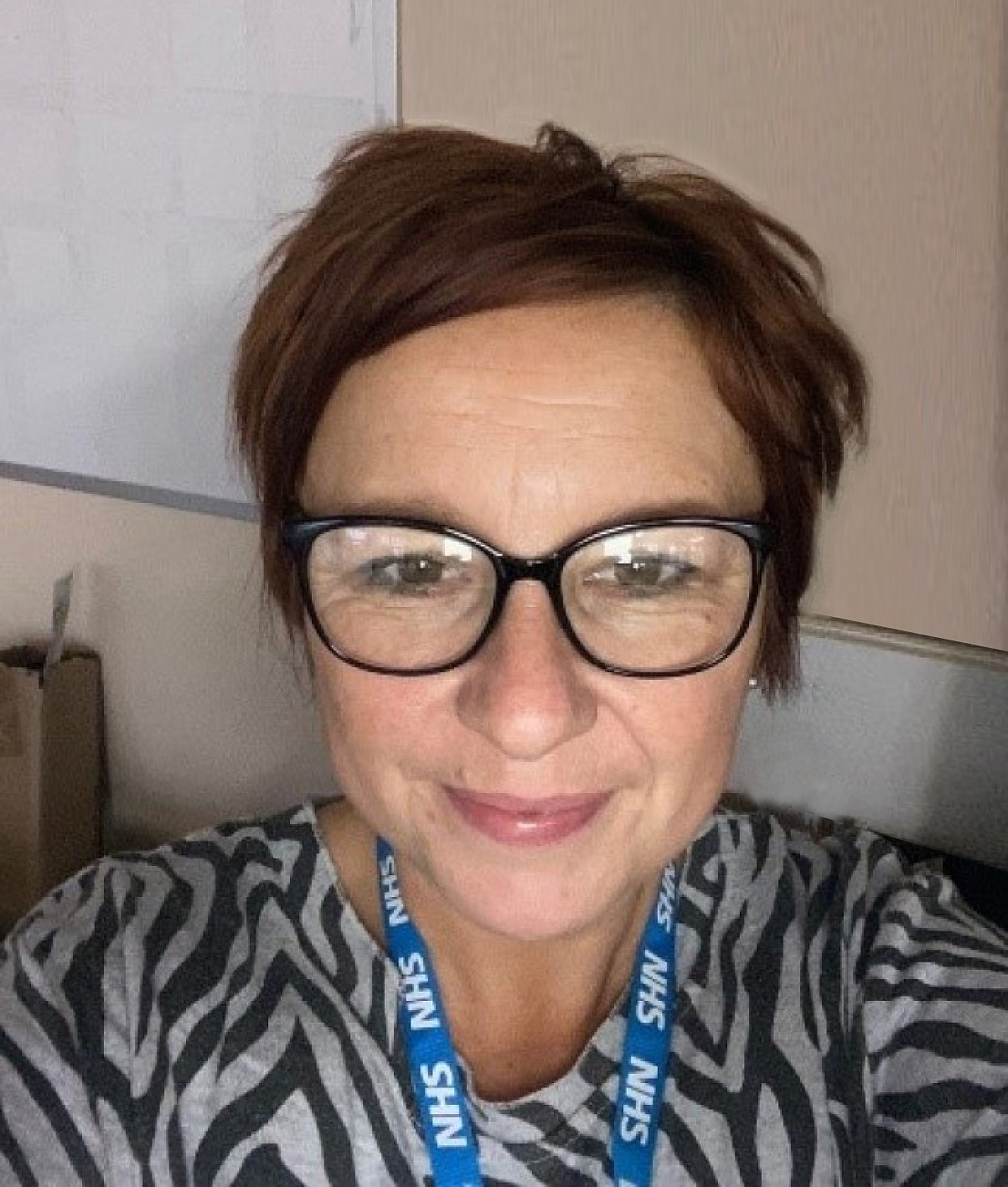 Hello, I'm Michelle
People experiencing exclusion face some of the worst health inequalities in our system.
Good health is not a given for many people in our communities. Those facing severe and multiple disadvantage - including people experiencing homelessness, people seeking asylum, people involved in sex work, those who use substances, or people in contact with the criminal justice system - often experience some of the most significant health inequalities in the country. These are people whose lives are shaped by trauma, social exclusion, stigma and structural barriers. And despite their significant health needs, they frequently encounter services that are fragmented, hard to access, or not designed with their reality in mind.
Throughout my nursing career I’ve seen up close the impact that exclusion and stigma can have on a person’s relationship with healthcare. I’ve worked with people in the criminal justice system, those accessing family planning and termination services (including sex workers) and adults living with addiction. These experiences have shaped my belief that equity in care isn’t optional it’s essential.
So what happens when the system doesn’t meet people where they are? People fall through the gaps. Their conditions worsen. Opportunities for early intervention are missed. And health inequalities widen. This is why we needed a different approach.
The data
Here’s what we know about people from inclusion health groups nationally and locally:
- people experiencing homelessness are likely to die decades earlier than the general population
- suicide rates in some inclusion health groups are up to nine times higher
- stigma and lack of culturally competent care remain major barriers
- frontline staff often report feeling ill‑equipped to support people with multiple and complex needs
- when care isn’t trauma‑informed, people avoid services altogether
In other words, the people who most need the NHS are often least likely to receive equitable, accessible, or compassionate care.
Inclusion Health Workforce Training Framework
I created the framework to build a workforce that is confident, skilled and supported to deliver compassionate, trauma‑informed, person‑centred care to people who are too often underserved.
For too long, inclusion health has been seen as a niche specialism. But the reality is that inclusion health is core business. Health inequalities don’t sit in one part of the system and neither should the skills needed to address them.
The framework offers structured learning at different levels:
- Foundation Level - for all staff, building essential awareness of trauma, bias, cultural competence and inclusion health principles
- Intermediate Level - for staff who work more closely with inclusion health groups
- Advanced Level - for leaders, specialists and those driving systems change
This approach helps us move away from fragmented, inconsistent practice and towards a shared, system‑wide understanding.
My personal contribution
Alongside my clinical work, I’ve contributed to national, regional and local forums advocating for more inclusive, trauma informed systems. That work, combined with years of supporting people whose voices aren’t always heard, has shaped the framework we now have. This framework was developed in the absence of any other inclusion health training framework nationally. I have worked on this as my project as part of our Improving Population Health Fellowship (Health Equity), which enabled me the access to expert mentors and support, alongside the protected time to complete the research and development of this framework
Working with colleagues and community partners and drawing on insights from people with lived experience I designed the framework so that people with lived experience are centred, not an afterthought.
What does it aim to achieve?
At its heart, the framework aims to:
- reduce stigma within health and care
- improve continuity and coordination of care
- strengthen trust between staff and communities
- make services safer and more accessible
- embed trauma‑informed and culturally competent practice
- align everyday NHS work with the ambition of equitable, person centred care
This is more than a set of training modules. It’s a commitment to doing better for people who have historically had worse.
A call to action
If you’re working in health and care, you have the power to make a difference, whether through a conversation, a decision or a shift in mindset. Let’s make inclusion health part of everyone’s job, not just some people’s passion.
Find out more about the Inclusion Health Workforce Training Framework and other inclusion health information on our Joined Up Care West Yorkshire inclusion health pages on Futures or contact me direct on michelle.
Thanks for reading
Michelle