

Posted on: 16 April 2026
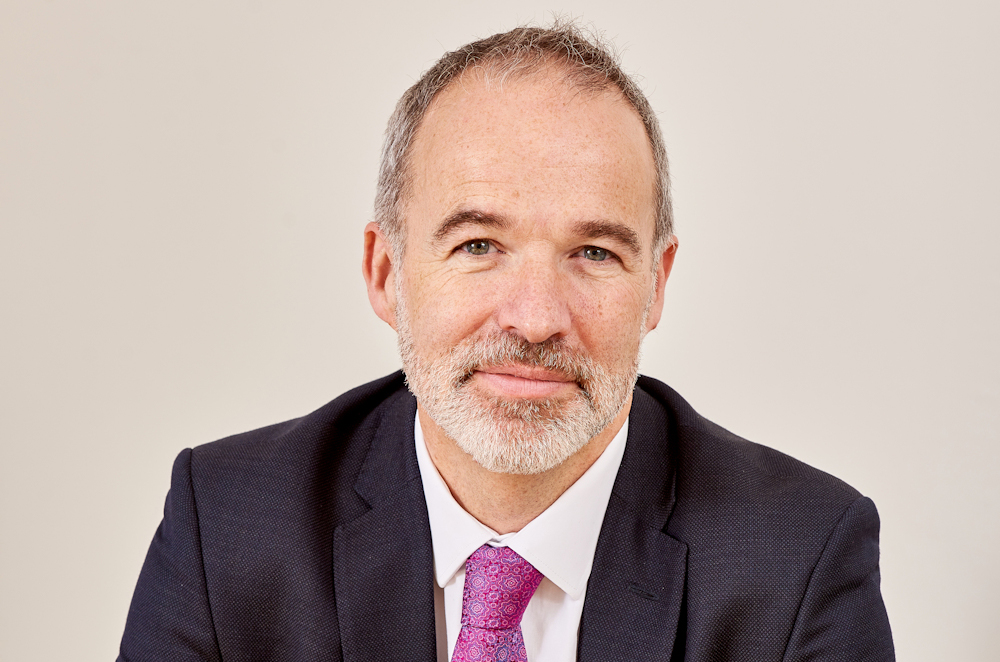
I left the ICB this week (15 April) after ten years of leading the integrated care system. It was also my last day in the NHS, after 36 years in health and care, working nationally, regionally and locally.
Over that time, the world of work has changed almost beyond recognition. My first day in the Department of Health was spent in a shared office with two people who chain smoked. I had a desk and a phone and access to the computer room if booked. On the plus side, I could open the window to let out the smoke but that let in the leaded petrol and diesel fumes from Russell Square. Communication was through the internal grid system four times a day, with hand-written comments circulating over several days across London and down to Eastbourne. It was archaic but the work got done, decisions were taken and things continued to get delivered in a world where people waited years and years for treatment.
Over that time, the NHS and the care system has changed significantly too. Revolutionary treatments, new systems of clinical governance, national standards and guidelines, much better access to care, new roles for professionals, better data and intelligence and a significantly improved estate in most places across the system make much of what is done now unrecognisable from 1990. Cancer survivorship is up, technological breakthroughs in surgery reduce trauma, statins extend lives, precision medicines and gene therapy are a reality, and people are no longer automatically incarcerated for having a learning disability or mental illness.
Of course, not everything has improved. Healthy life expectancy is falling, hundreds of thousands of people have dropped out of social care, inequity continues and the inverse care law persists. Racism, homophobia, misogyny and antisemitism are a reality in our society and in the NHS. Capital backlogs are at record levels and corridor care shames us all. The impact of COVID continues to require us to recover constitutional standards with moral injury for staff a reality as we operate in a distressed system. The drive for value for money remains as acute as ever.
I do, though, remain hopeful for the future. Because what has not changed throughout my time is the vocation, motivation and exceptional quality of the majority of people I have worked with, including all of you.
I have always said, “if you think competition is hard, try collaborating!” It is true, but we have created a set of successful and meaningful partnerships in West Yorkshire that are built upon a common goal – to improve the health outcomes for people in West Yorkshire. In doing so, we always aim to tackle inequalities, unwarranted variation and poor value for money. Because all of these things are built upon a system that has an organising principle of improving quality.
Throughout my career, we have always flourished when we have used quality as the organising principle for collaborating and for care delivery. Safety, clinical and cost effectiveness, and patient and carer experience appeal to everyone, wherever they work.
Conversely, we have suffered when we have overly focused on organisational structures and when quality has become a servant of money or divorced from the reality that staff and patients see.
That’s why I am grateful for your leadership – a leadership that remains ambitious, partnership focused, evidence based, transparent and where power is devolved and distributed using subsidiarity as the basis for getting things done.
As we enter a difficult period, please do take the space available and lead together. It’s what you have done for many years now. Your work in the future builds on the work of the past for the populations and staff we serve. You have the agency and the capability to make a positive choice.
I believe everyone has potential and everyone should be supported to fulfil it. As the health and care system is a people business, then I am never too far from inspiration and motivation amongst colleagues. I know that this has not always been straightforward in recent years, with significant reductions in posts and financial distress. The ICB and its partners have faced a continuous round of change and cuts at a time when our roles are essential in tackling the issues of today – multimorbidity, racial inequity, poor access, inverse care law and a lack of productivity. Without a system approach, these issues will never be tackled and people will face shorter, sicker lives.
As we enter a period where we have a three-year plan, a medium-term strategy and the opportunities that digital innovation, devolution and a focus on Mayors brings, there is a chance to take the space available and succeed - for local people, all of our staff, the carers we support and the communities in which we live.
For those of you staying around, there is so much good and important work to do with the ICB. Our role will change in a better and simpler system. Our focus on partnerships and collaboration should not. We still face problems that can only be resolved together, and I am excited to see how your work continues to deliver the improvements we have seen across West Yorkshire. There is brilliant work to do with the ICB as a strategic commissioner, integrator and convenor. There are clinical services and vulnerable people who also rely on the ICB for continuing healthcare, medicines, safeguarding and other direct and indirect clinical support.
For those like me leaving, thank you for your service, the difference you have made to thousands of lives and the changes and improvements of which you can be proud.
I always ask my staff, “why do you do your job?” I have worked out that I only do my job for two reasons – to make a difference and to see my staff do well. There is evidence of both all around me, as well as frustration that organisational change has dominated too often and people have left who we do not want to lose.
Finally, I know that leadership operates in systems, is values based and happens at all levels. I see it every day. Thank you for proving that you can lead from every seat in West Yorkshire.
Take care, I am proud to have been the lead Chief Executive for the West Yorkshire Health and Care Partnership, and I am proud to have worked with all of you.
Rob
To mark Rob’s retirement, we also have a message from Mark Chamberlain, Chair of NHS West Yorkshire ICB.
This week, we wished a fond farewell to Rob Webster CBE, lead Chief Executive for the West Yorkshire Health and Care Partnership and Chief Executive of NHS West Yorkshire ICB, who is retiring after a 36 year career.
Under his leadership, West Yorkshire has delivered tangible improvements across the health and care system, which is widely regarded as one of the most innovative and mature integrated care partnerships in England.
Rob has brought exceptional leadership, clarity and compassion to the NHS in West Yorkshire during a time when our health and care system faced challenges that are more complex than ever before. His focus on collaboration across health, local government, the third sector and communities to improve outcomes for people in West Yorkshire and his ability to unite partners around a shared vision for integrated care and population health leaves a lasting legacy.
His commitment to distributed leadership and his firm belief in the power of the NHS, councils, Healthwatch, hospices, the voluntary community social enterprise sector and communities being equal partners at a local and system level has helped deliver better joined up care for people, delivered locally. For Rob, people are at the heart of all we do. We will hold onto this ethos and the values-based leadership that Rob has embodied as we move into the future.
On behalf of the ICB and West Yorkshire Health and Care Partnership Boards, we want to thank Rob for his outstanding service and unwavering commitment to the people of West Yorkshire. We wish him all the very best for the future.
What's been happening this week
Spring COVID‑19 vaccinations begin to protect those most at risk in West Yorkshire
People most at risk from serious illness from COVID‑19 are being 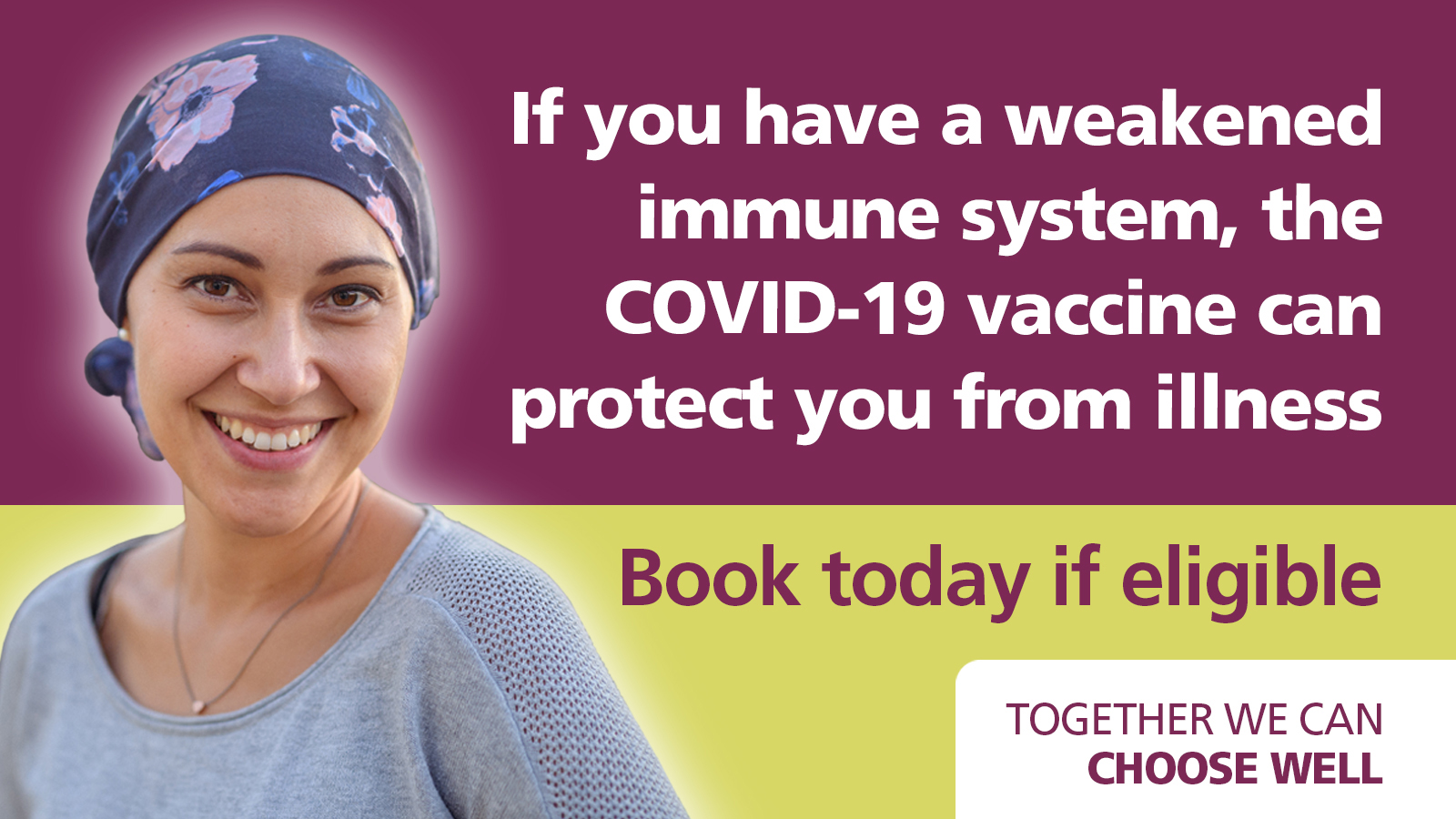 encouraged to come forward for a COVID‑19 vaccination, as the NHS begins the rollout of the Spring 2026 COVID‑19 vaccination programme across West Yorkshire.
COVID‑19 continues to circulate all year round and can still be very dangerous, particularly for older people and those with a weakened immune system. Protection from previous vaccinations or infection can fade over time, which is why eligible people are being offered a further dose this spring.
The spring campaign began on 13 April and will continue until 30 June 2026. Details of eligibility and booking arrangements are on the Partnership website.
West Yorkshire residents aged 75 and over can now get a vaccine to help protect against serious lung infection
Older people in West Yorkshire can now get protection against a virus  which can cause serious lung infections such as bronchitis and pneumonia.
All adults aged 75 and over, and people living in a care home for older adults, are now eligible for the NHS Respiratory Syncytial Virus (RSV) vaccine.
RSV is a common virus that infects the lungs. While symptoms are mild for many people, the virus can be severe in older adults, causing pneumonia, bronchitis and flare-ups of existing lung disease and other long-term conditions. This can make it difficult to breathe and leave some older people requiring hospital treatment.
Eligible people in West Yorkshire can book an appointment through their GP practice. People living in care homes should speak to care home staff about vaccination. Find out more on the Partnership website.
GetUBetter perinatal pelvic health app now available across West Yorkshire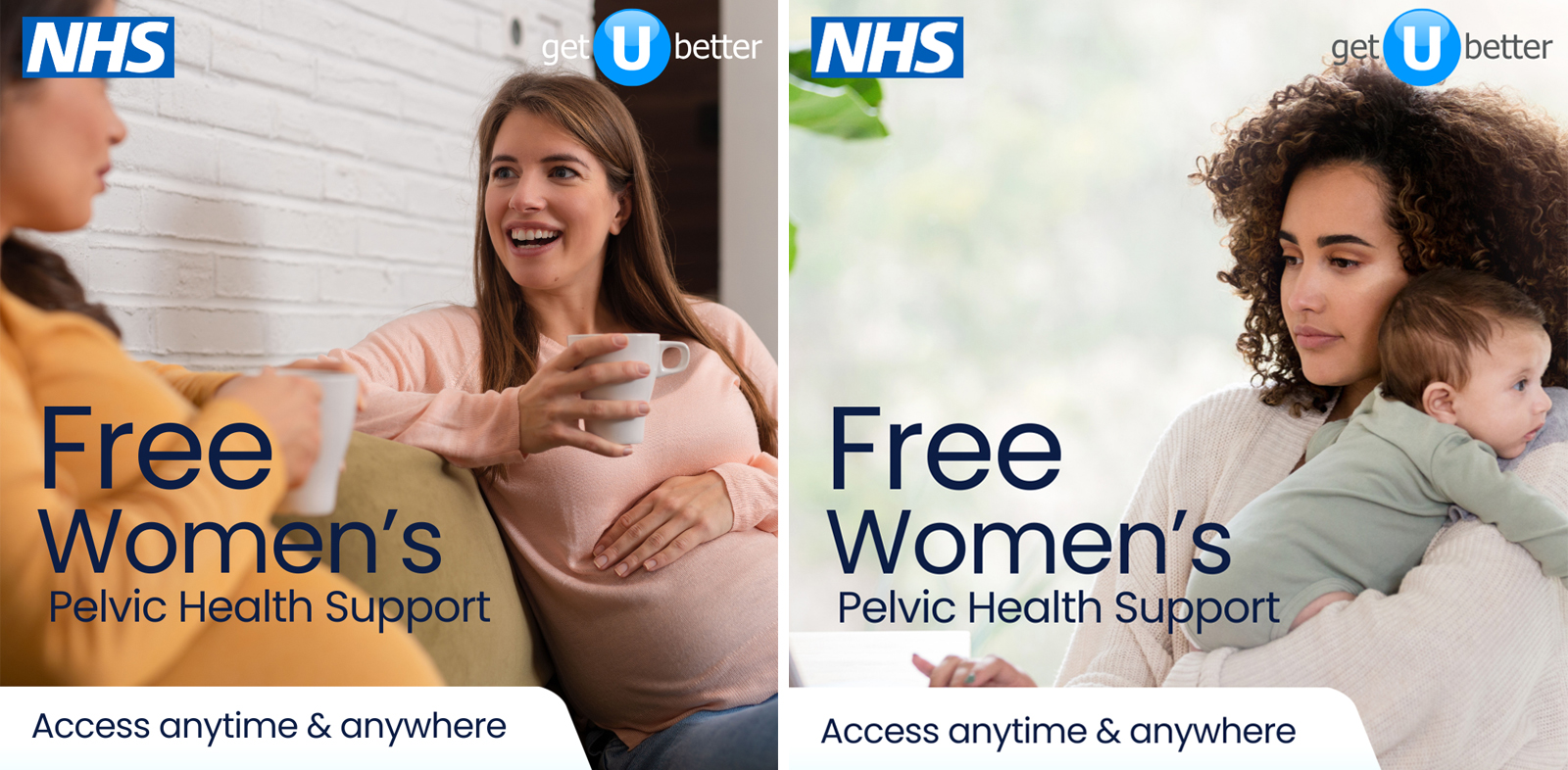
The getUBetter app is now available across West Yorkshire to support perinatal pelvic health. This digital self-management platform is free and provides personalised programmes of support from pregnancy through to postnatal care. This will enable women to look after their own pelvic health and to help prevent or reduce unwanted symptoms. It has been developed in collaboration with clinical teams across West Yorkshire and is free to download via app stores (iOS/android) or web browser.
Using AI to transform how residents access adult social care support across Bradford District
Bradford Council is proud to introduce ‘ANNIE’, an innovative artificial independence advisor designed to transform how residents access adult social care support across the district.
Available 24/7 via WhatsApp, ANNIE offers instant, multilingual assistance, supporting over 40 languages through text and voice notes.
The new digital solution platform will assist people across the district who may be searching for local voluntary services, community activities, exploring technological solutions or equipment. ANNIE will be able to help find information quickly at the tap of the screen offering greater independence for people in the comfort of their own home.
For more information, visit the Bradford Council website
MYTT midwife shortlisted for national ‘Midwife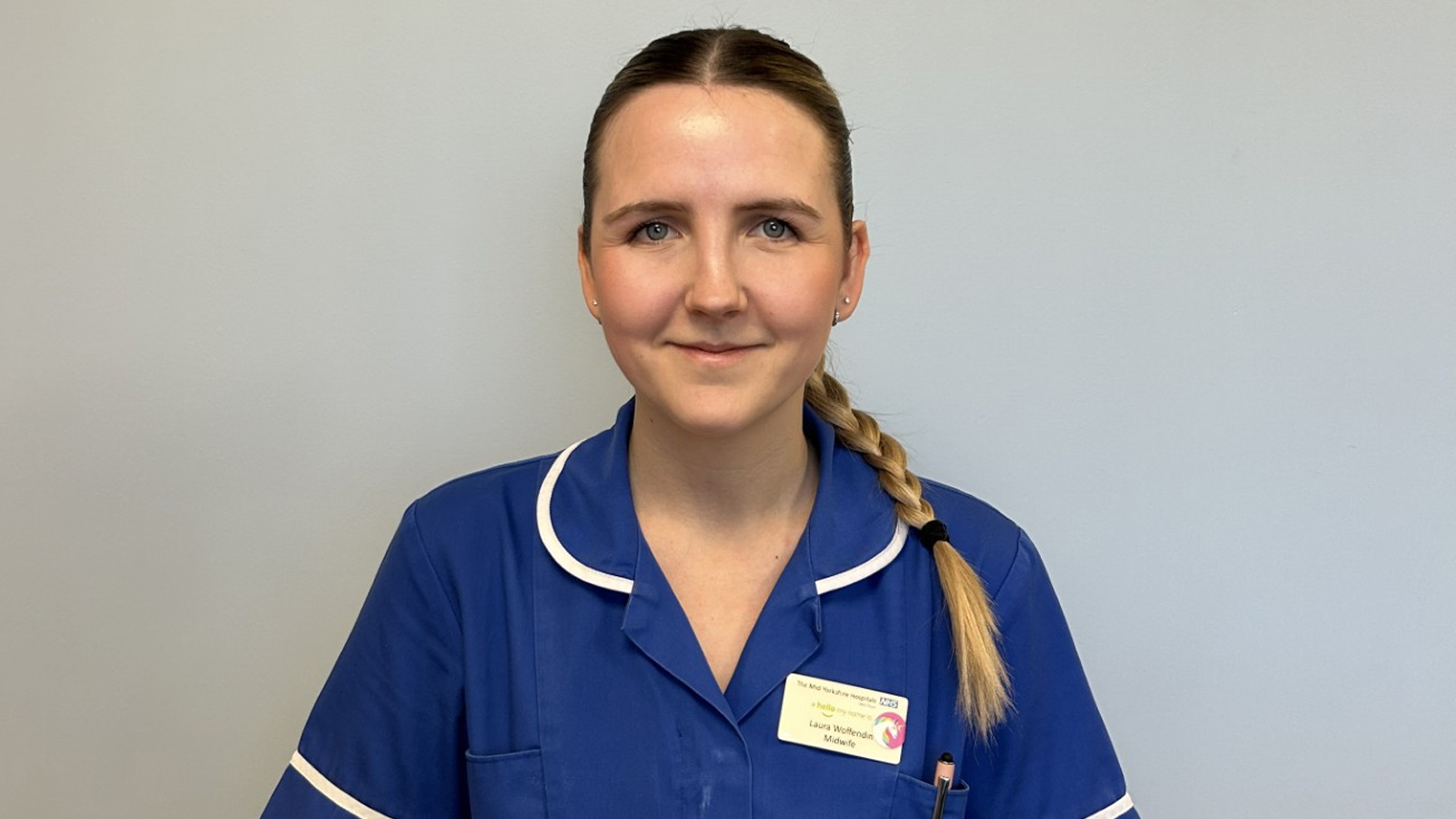 of the Year’ award
Congratulations to Mid Yorkshire Teaching NHS Trust midwife Laura Woffendin, who has been nominated and shortlisted for the UK ‘Midwife of the Year’ award by Mariposa International, a leading UK and global charity providing bereavement support to anyone affected by baby loss. The organisation is best known for its main support division, ‘Saying Goodbye’, which offers support to people experiencing pregnancy after loss, infertility, adoption and more. Find out more on the trust website.
Healthy Working Life - recent highlights from across West Yorkshire
Here’s a snapshot of recent Healthy Working Life initiatives,  highlighting how projects are helping people across West Yorkshire stay well, remain in work and build confidence.
Local projects in Wakefield are bringing wellness checks into community spaces, helping people spot issues early and take action. Maria (not real name) was prompted to visit her GP after a check identified high blood pressure, leading to a change in treatment. The approach makes support easier to access and helps people stay healthy and in work. Read Maria’s story
Linking health needs with practical workplace 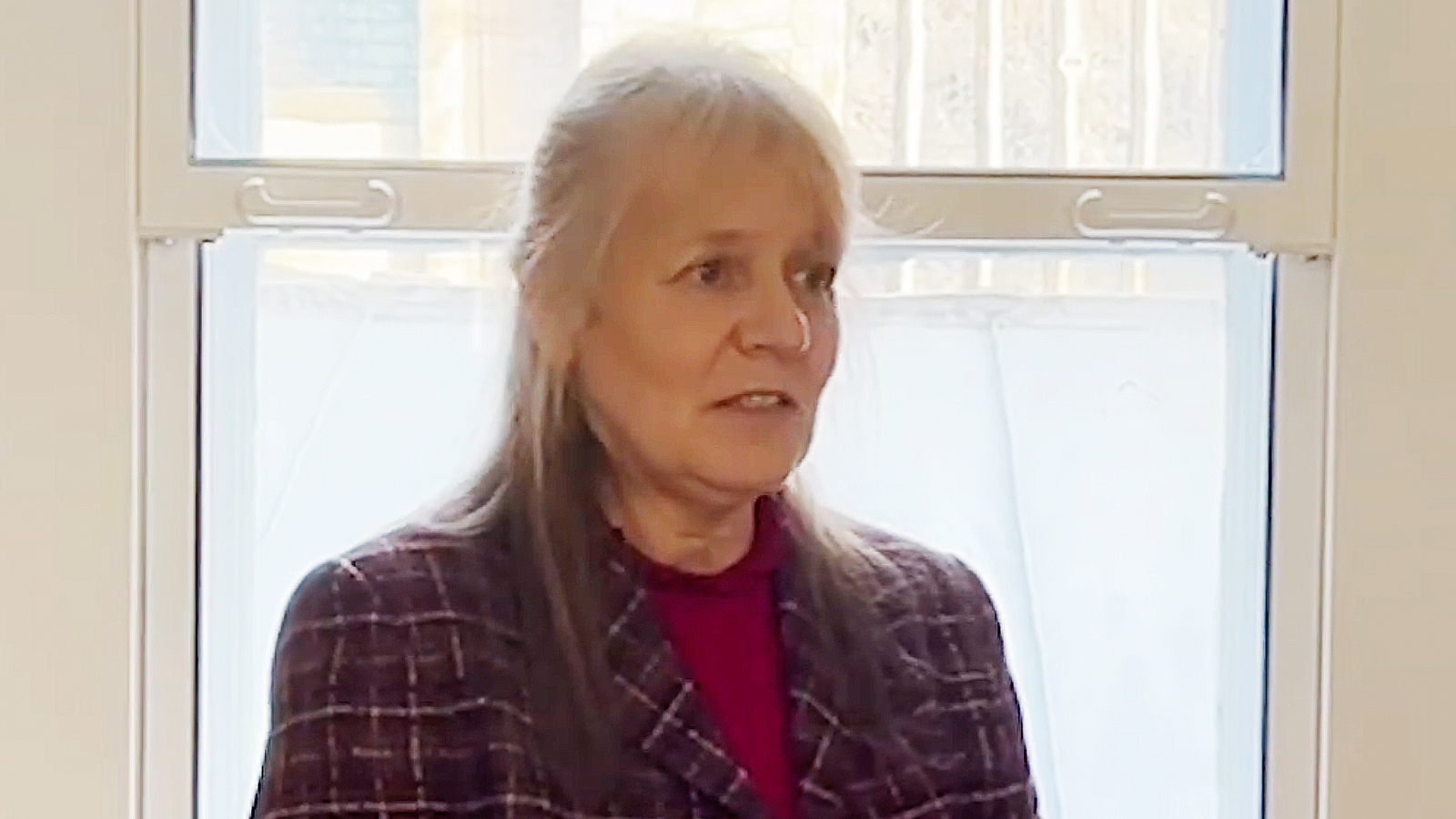 adjustments
A digital-first vocational rehab service in Bradford District and Craven is supporting people to stay in or return to work by linking health needs with practical workplace adjustments. Debbie, who was managing menopause symptoms, used the service to agree changes with her employer, helping her return sooner and rebuild confidence. See Debbie’s video and read her story
Tailored advice and a phased return plan
A joined-up approach is giving people quick access to employment support alongside mental health services. Sara (not real name) used tailored advice and a phased return plan to successfully get back to work and feel more in control. Read Sara’s story
Employment and pain service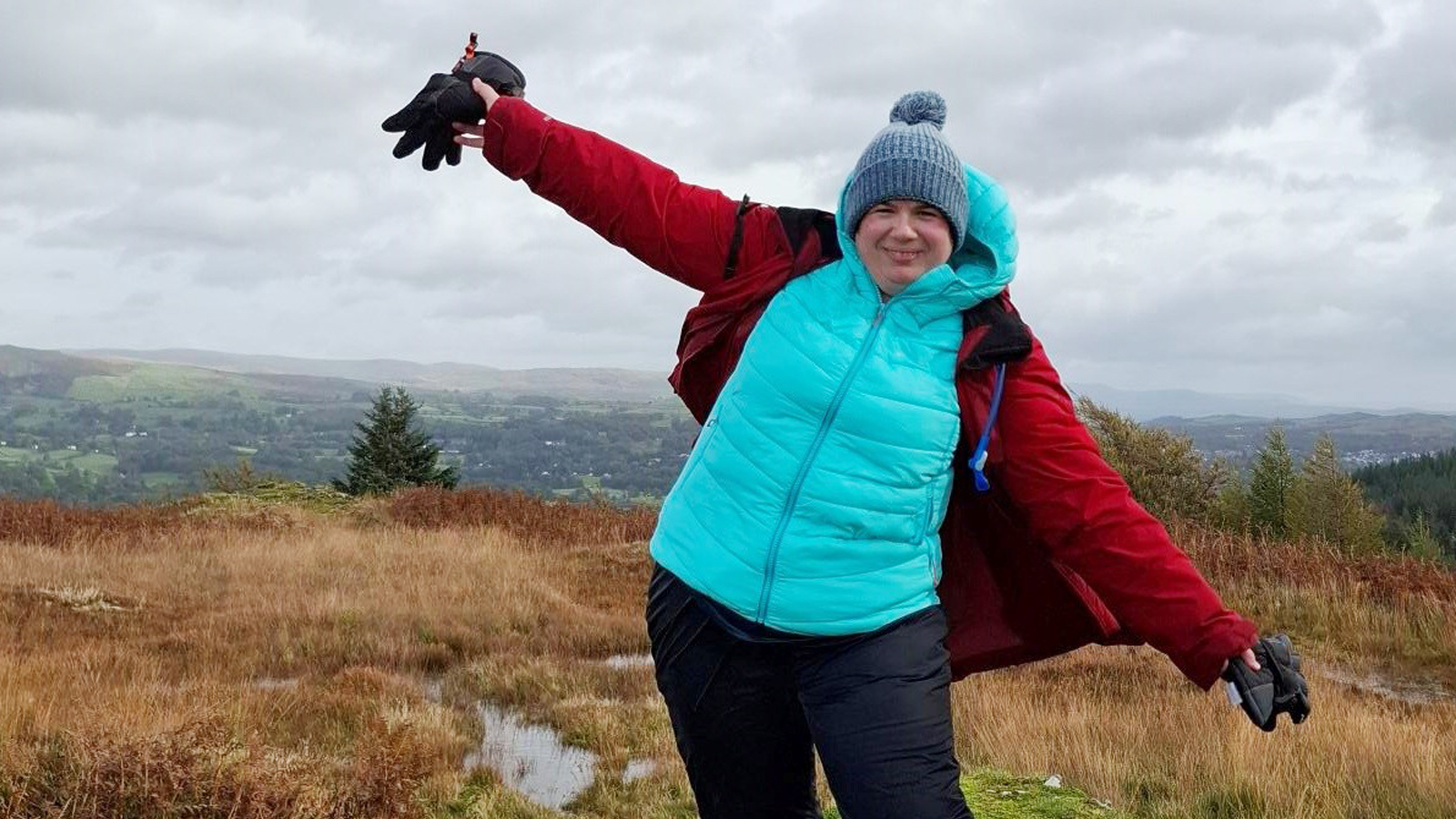
An employment and pain service is helping people with long-term pain stay in work through coaching, workshops and personalised support. Find out how Alexandria developed new ways to manage her condition, improved her wellbeing and began planning for future career opportunities. Read Alexandria’s story.
Making a big difference
In addition, evaluation of the over 60 Healthy Working Life pilots is helping to identify what works and where improvement is needed. Feedback shows that while collecting data can be challenging, especially for smaller organisations, clear guidance and one-to-one support make a big difference. This learning is already improving how the programme is delivered and will help strengthen future similar initiatives. See our evaluation case study.
Healthy Working Life is a joint programme of the West Yorkshire Combined Authority and NHS West Yorkshire Integrated Care Board.