

Posted on: 20 February 2026
 Diagnostics, innovation and partnership: a new chapter for community-based care in Huddersfield
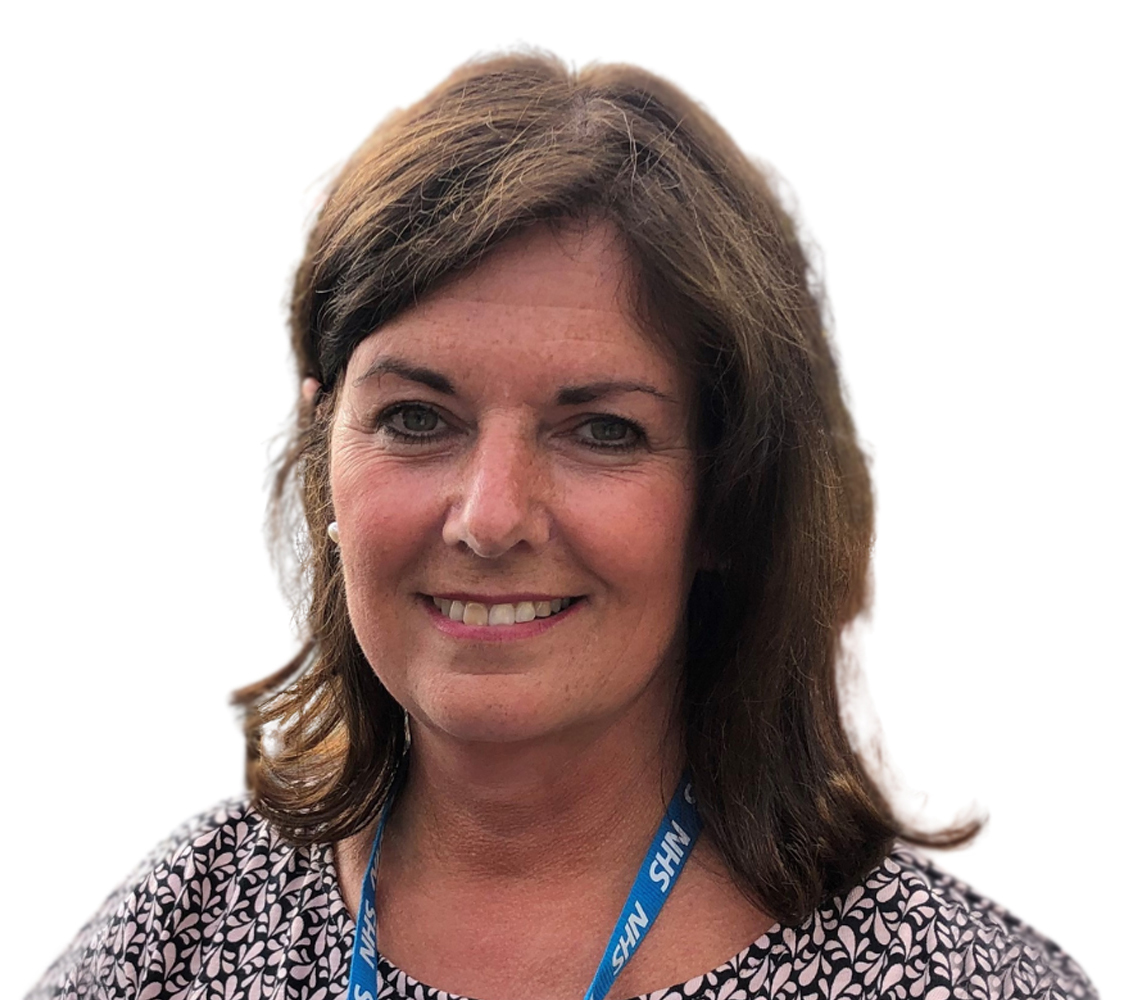
Across West Yorkshire, our shared challenge is not only to meet rising demand, but to do so in ways that are sustainable, equitable and rooted in our communities. The opening of our new Community Diagnostic Centre (CDC) in the Emily Siddon Building on the University of Huddersfield campus marks an important milestone in that journey. And a strong example of how partnership can enable new ways of delivering care.
Our new Southgate CDC forms part of the University of Huddersfield Health Innovation Campus, a first-of-its-kind collaboration between Calderdale and Huddersfield NHS Foundation Trust and the University.
The new facility will improve access to diagnostic testing for people across Huddersfield and surrounding communities, supporting earlier diagnosis and more efficient care pathways.
The growing, health-focused campus brings together clinical services, education, research and innovation into a single place, supporting both today’s patient care and the future NHS workforce. New course areas such as diagnostic radiotherapy are enabling us to make sure we train and equip new students to deliver innovative care for the long term, to meet future demand for services. It also strengthens the links between service delivery, research and education, as well as creating space for innovation that supports long-term system sustainability.
The new CDC provides increased capacity to support the delivery of several different diagnostic tests, where a patient would usually come into hospital. These include phlebotomy, X-ray, ultrasound, CT and MRI, as well as a full range of cardiorespiratory testing. This approach reflects a shift away from traditional boundaries and towards integrated, place-based solutions that better meet the needs of our population.
Southgate CDC has been developed in two phases which has already allowed us to improve patient flow and reduce pressure on our hospitals during the critical winter period. Some services have been delivered from the Daphne Steele Building on the same campus, with the new facility in the Emily Siddon Building set to further expand diagnostic capacity to around 2,000 appointments a week. It offers a modern, accessible environment designed around patient experience.
Our approach to community diagnostics is informed by clear evidence from our Community Diagnostic Centre at Broad Street Plaza in Halifax, which has now been operating for over a year.
Experience from Halifax shows that providing diagnostics in accessible, non-hospital settings improves access and convenience for patients and reduces barriers to accessing diagnostic tests. We have also seen evidence of how it helps with improved patient flow, freeing up acute capacity through the introduction of new care pathways such as those for fast-track dermatology patients.
Demand for community-based services continues to grow. In December, nearly 11,000 patients were seen across Halifax and Huddersfield CDC services combined, reinforcing both the scale of need and the value of the community diagnostic model.
We recently held a preview event, in partnership with the University of Huddersfield, of the new Emily Siddon building and our new CDC. Throughout the event I consistently heard about how the environment feels warm and welcoming and lends itself to creating a positive patient experience - less daunting than coming into a hospital setting. It is not an easy thing for our patients to come for a diagnostic test, so reducing anxiety and putting people at ease is important to us in providing a compassionate approach to care.
The development of the Huddersfield CDC sits alongside CHFT’s wider Foundations for our Future programme. This major transformation of our hospital and community services in Calderdale and Huddersfield is centred around sustainable, innovative healthcare in our two hospitals and care closer to home in our communities.
CDCs play a complementary role within this wider context. By providing a significant volume of diagnostic activity in community settings, CDCs help reduce pressure on acute hospital sites, support more efficient patient pathways and enable hospital space to be used where it is most needed for emergency and specialist care.
Together, this work reflects a co-ordinated approach to transformation - combining modernised hospital infrastructure with expanded community-based services to deliver better outcomes for patients across Calderdale and Huddersfield.
We also have a blog from Michelle Bennett, West Yorkshire ICB Programme Manager, Inclusion Health and Personalised Care who talks about a new workforce training framework.
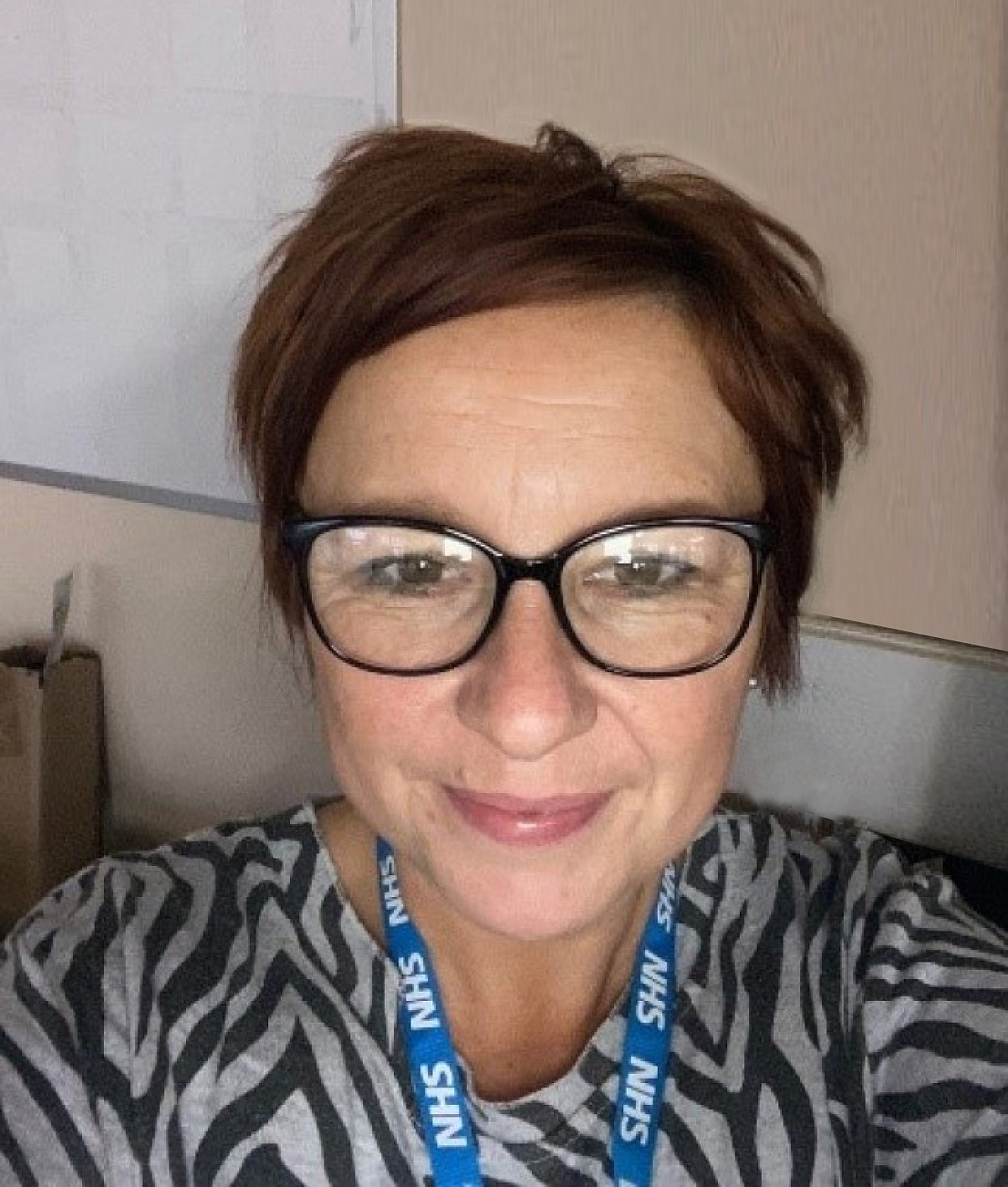 Championing inclusion health: why this work matters and how the workforce training framework was born
People experiencing exclusion face some of the worst health inequalities in our system. Good health is not a given for many people in our communities. Those facing severe and multiple disadvantage - including people experiencing homelessness, people seeking asylum, people involved in sex work, those who use substances, or people in contact with the criminal justice system - often experience some of the most significant health inequalities in the country. These are people whose lives are shaped by trauma, social exclusion, stigma and structural barriers. And despite their significant health needs, they frequently encounter services that are fragmented, hard to access or not designed with their reality in mind.
Throughout my nursing career I’ve seen up close the impact that exclusion and stigma can have on a person’s relationship with healthcare. I’ve worked with people in the criminal justice system, those accessing family planning and termination services (including sex workers) and adults living with addiction. These experiences have shaped my belief that equity in care isn’t optional it’s essential.
So, what happens when the system doesn’t meet people where they are? People fall through the gaps. Their conditions worsen. Opportunities for early intervention are missed. And health inequalities widen. This is why we needed a different approach. You can read my full blog on our website. It covers what we know about people from inclusion health groups nationally and locally, the workforce training framework and its aims, and my personal contribution. Find out more about the framework and other inclusion health information on our Joined Up Care WestYorkshire inclusion health pages on Futures or contact me direct on michelle.
What's been happening this week
ICB organisational change
The latest update on the ICB’s organisational change programme is on this web page.
New mental health research centre to launch after £11m NIHR award
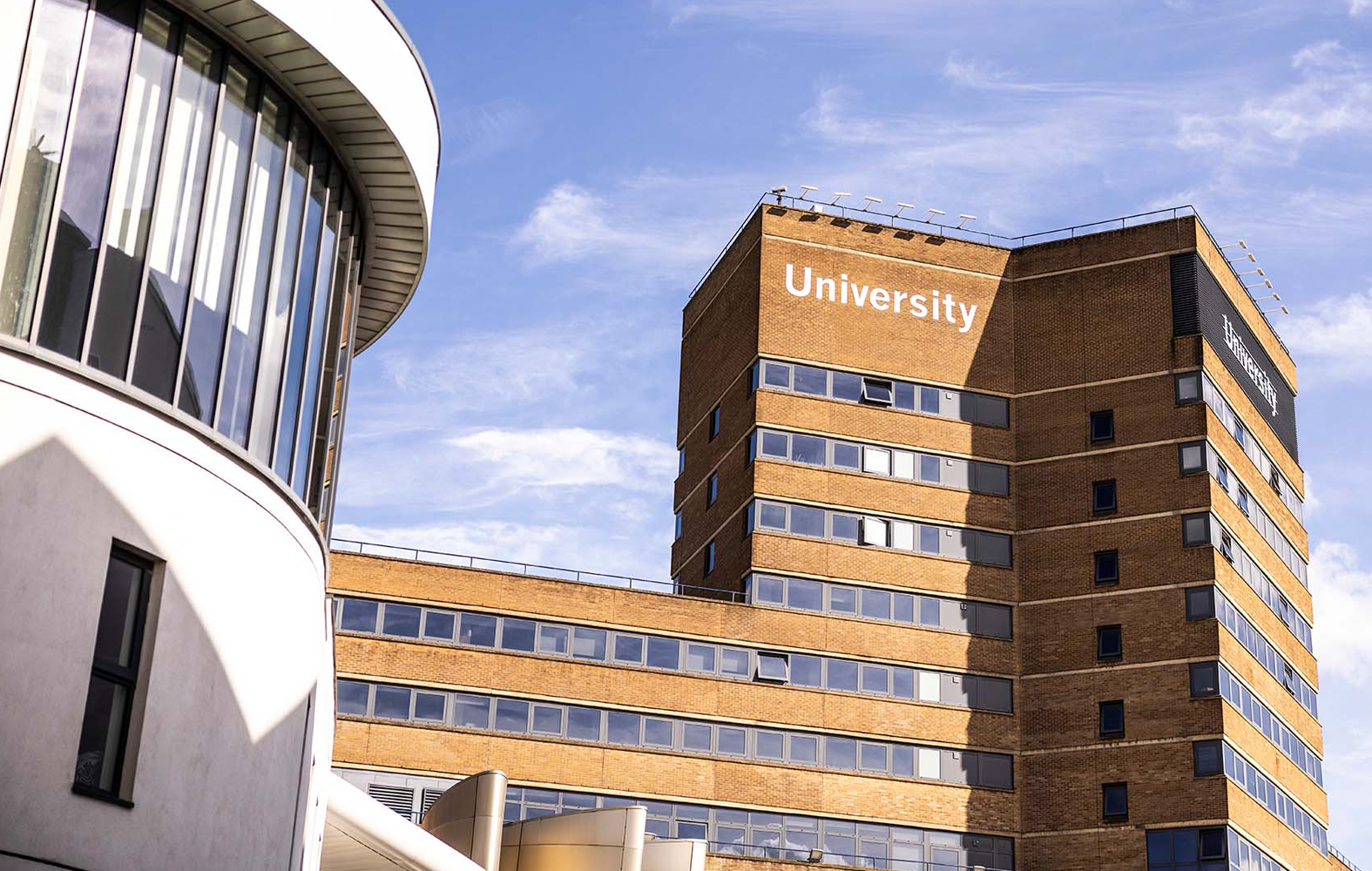 The University of Huddersfield is set to open a new research centre with the goal of improving mental health research capacity and capability in the local area to support mental health care provision. This follows an award of £11 million from the National Institute for Health and Care Research (NIHR).
The Centre for Equity in Mental Health (CEMH) will open in April 2026 with the award, the biggest to date for the University’s School of Human and Health Sciences, coming from the prestigious and highly competitive NIHR Mental Health Research Groups (MHRG) programme.
The award is for five years of research, designed to help the University become a world leader in mental health research and to transform the mental health research landscape locally. Find out more on the university website.
West Yo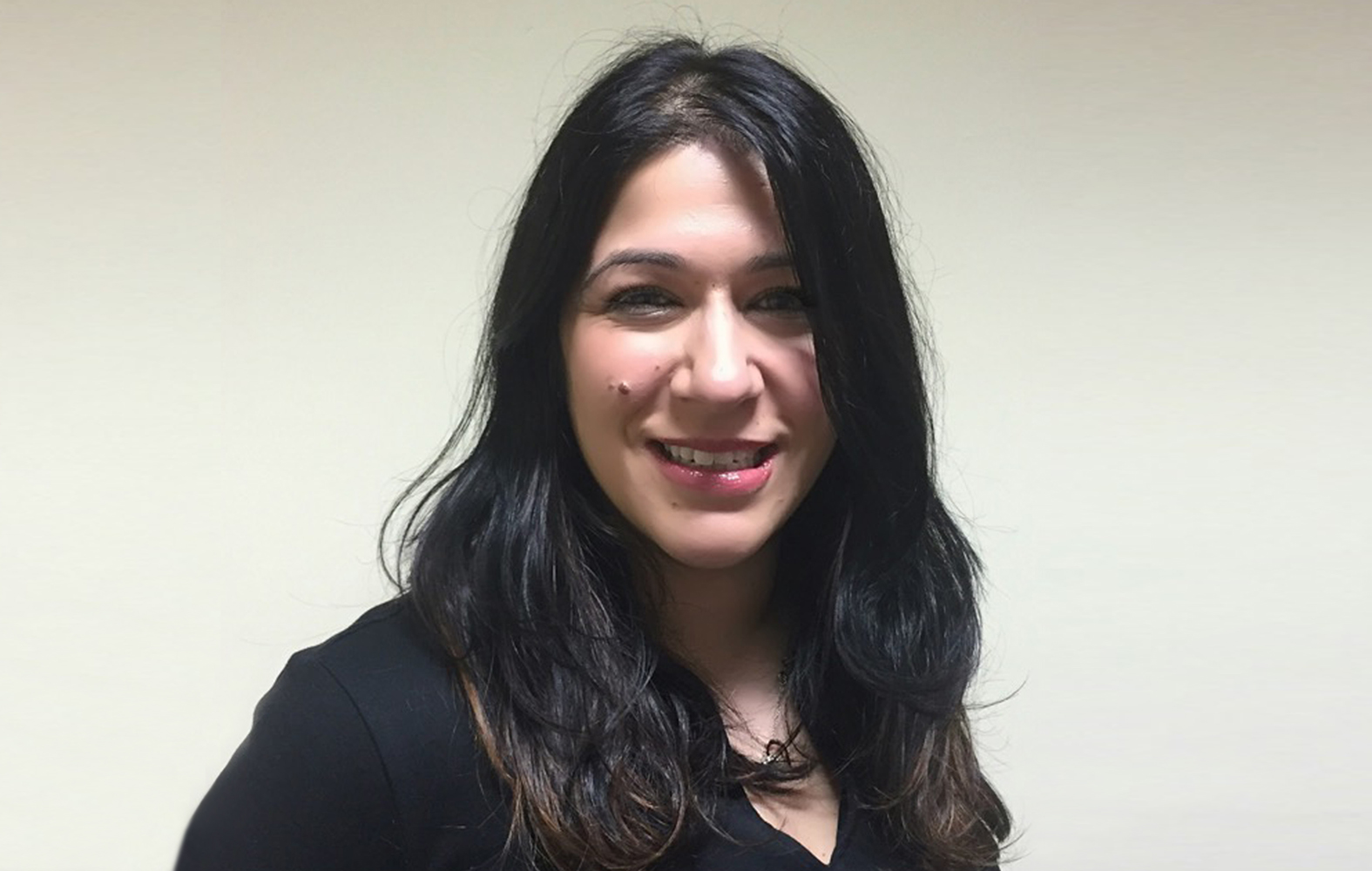 rkshire Inclusivity Champion to step down
As her three-year term comes to an end, our colleague Fatima Khan-Shah, West Yorkshire Inclusivity Champion and member of the Partnership and ICB Boards, will be stepping down from her role in the next few weeks.
You can read Fatima’s announcement on her LinkedIn page. Fatima has made a significant contribution to the work of the ICB and the wider Partnership and we wish her all the very best for the future.
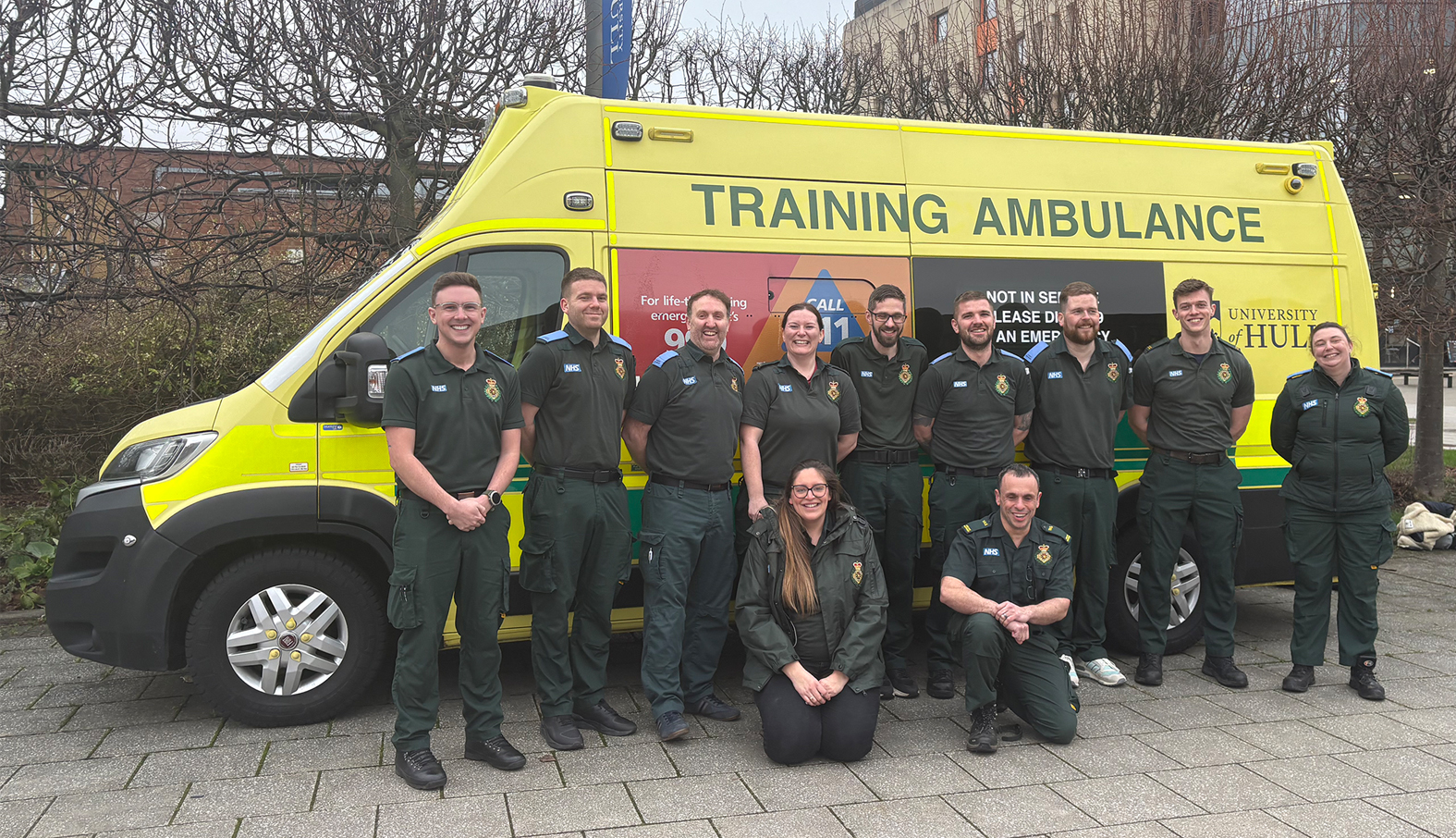 YAS celebrates National Apprenticeship Week
During National Apprenticeship Week from 9 to 15 February 2026, Yorkshire Ambulance Service (YAS) celebrated the contribution of 660 apprentices who are working in clinical and support service roles as part of its award-winning apprenticeship programme.
In September 2025, an additional paramedic science degree apprenticeship was launched, in partnership with the University of Hull, to complement the existing courses run by Teesside University and the University of Huddersfield. Find out more on the trust website.
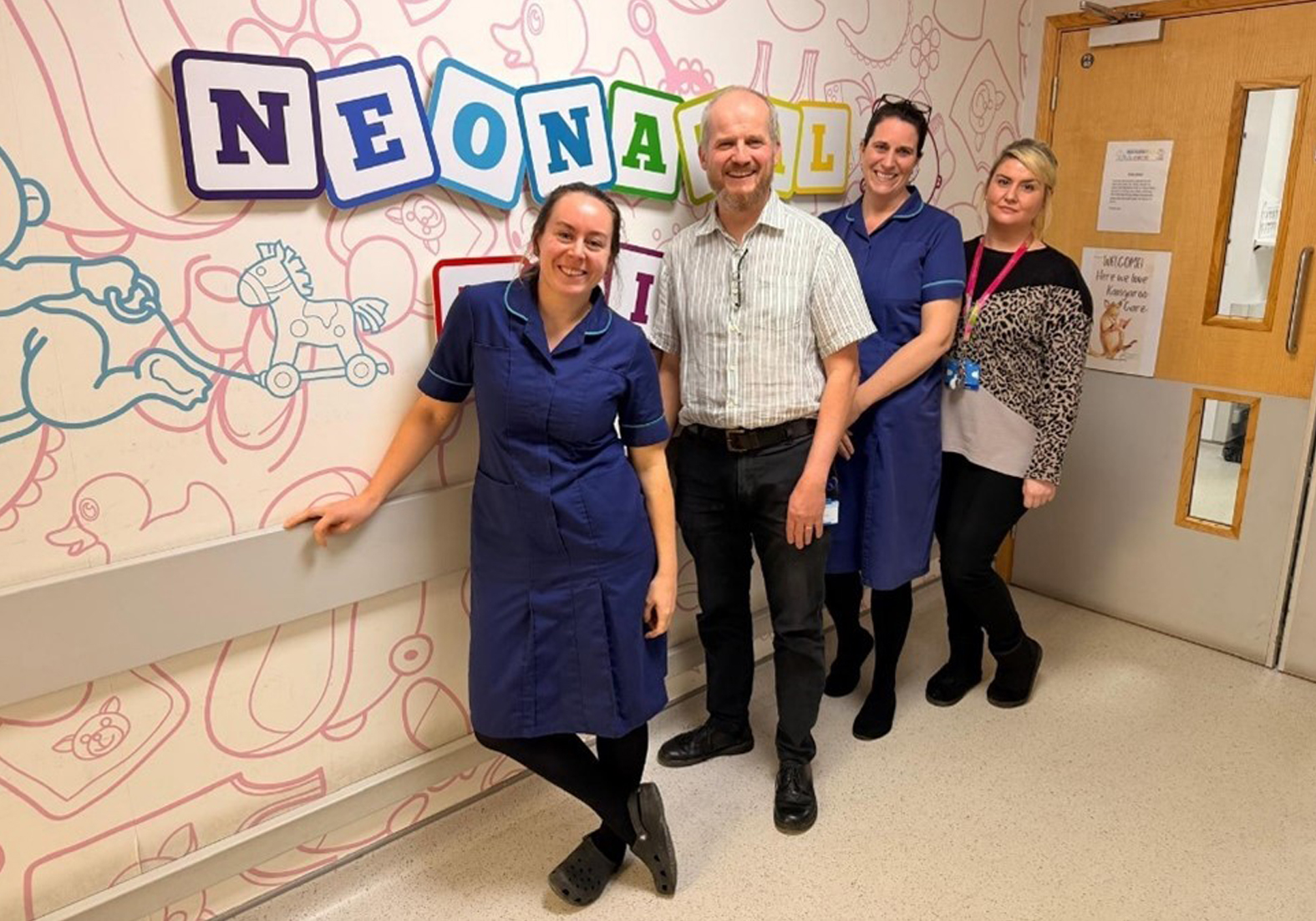 Bradford neonatal research team among top UK recruiters in global studies exploring oral insulin for preterm babies
Bradford Institute for Health Research is celebrating the success of its neonatal research team at Bradford Teaching Hospitals NHS Foundation Trust. The team are among the leading UK recruiters to two international clinical studies investigating whether oral insulin can safely support gastrointestinal development in preterm babies and help them reach full feeds sooner. Find out more on the trust website.
Mid Yorks and Ondine win national excellence in healthcare partnership award
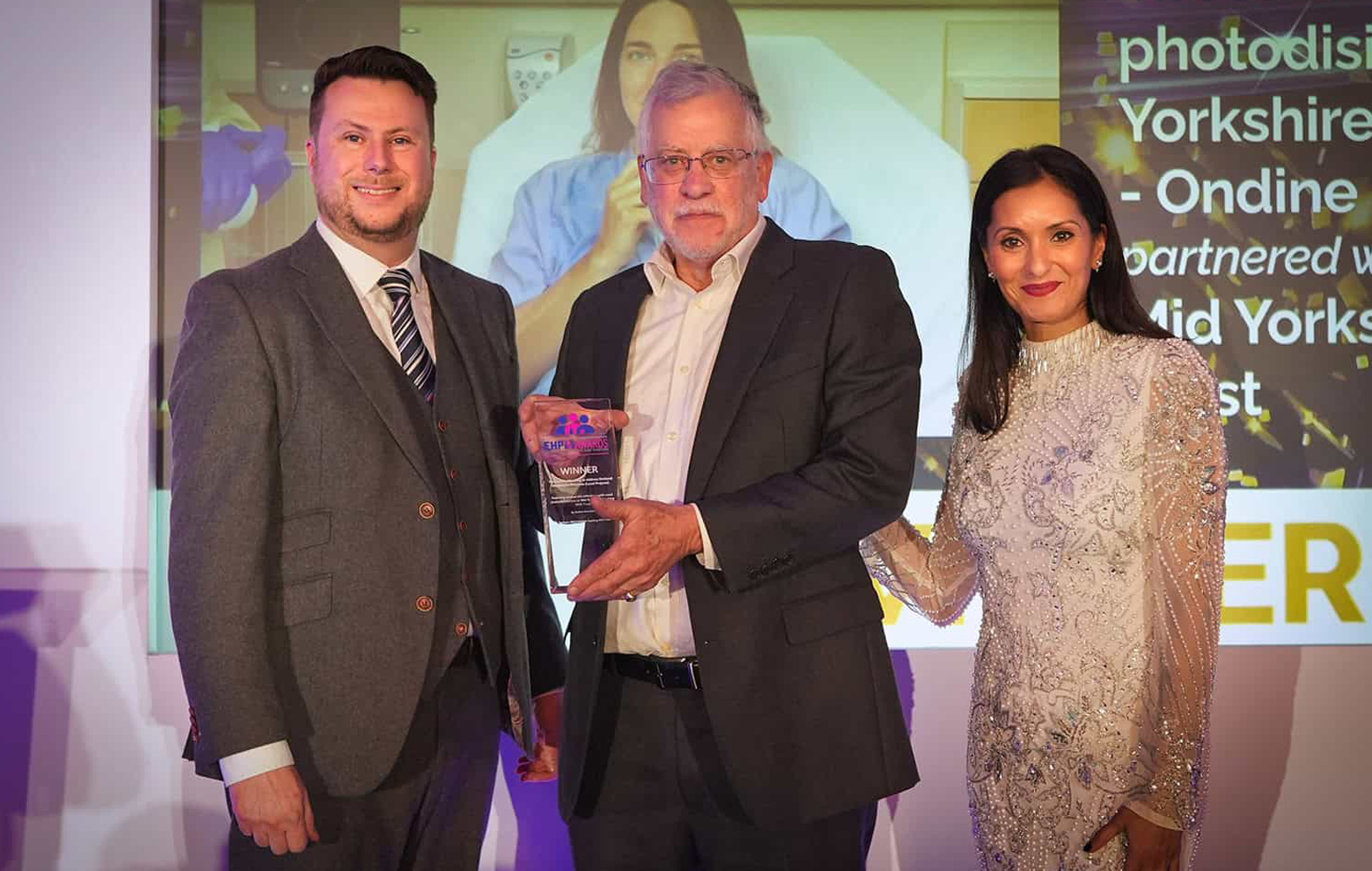 Ondine Biomedical and Mid Yorkshire Teaching NHS Trust (‘Mid Yorks’) have won the Excellence in Healthcare Partnership Award in the ‘Partnership working to address national healthcare priorities (local projects)’ category.
This is in recognition of their collaboration to significantly reduce surgical site infections using Ondine’s Steriwave® nasal photodisinfection technology. The winning initiative follows the successful pilot and ongoing introduction of Steriwave® nasal photodisinfection into orthopaedic surgery pathways at Mid Yorks in 2024. Find out more on the trust website.
 Community, culture, belonging: Bradford teenagers on what makes them proud of their city
A study of over 9,000 teenagers in Bradford has revealed remarkably high levels of cultural engagement among young people in one of Britain's most diverse cities. This has provided crucial baseline evidence as Bradford has celebrated its year as UK City of Culture 2025.
The Born in Bradford Age of Wonder study is the UK's largest and most comprehensive research into adolescent life. The study found that 90% of Bradford teenagers attended a cultural event in the past month, with 86% actively participating in artistic or cultural activities - from digital content creation to live performance. Girls showed higher engagement with visual arts, theatre and performances, while boys demonstrated greater engagement with sport and video gaming.
This study is published as a pre-print and is currently undergoing peer review on the open research platform Wellcome Open Research. It is part of Born in Bradford Age of Wonder, a seven-year project tracking the lives of all secondary school students in Bradford across 20 different life dimensions, from mental health and nutrition to gaming, the environment and AI use.
Listening Project Report launched to strengthen trauma-informed practice
 A new report exploring how services respond to people affected by adversity and trauma has been launched at a special event in Wakefield.
The Listening Project, published by the West Yorkshire Adversity, Trauma and Resilience Programme, brings together powerful personal testimonies from people across West Yorkshire to better understand how their experiences have shaped their interactions with health and care services throughout their lives.
Launched on 22 January at Hatfeild Hall, the report was developed by independent research and evaluation organisation Rocket Science in partnership with Dr Lisa Cherry. It examines how service responses to adversity and trauma have positively or negatively impacted individuals and identifies opportunities for system and service change to improve outcomes.