

Posted on: 1 May 2026
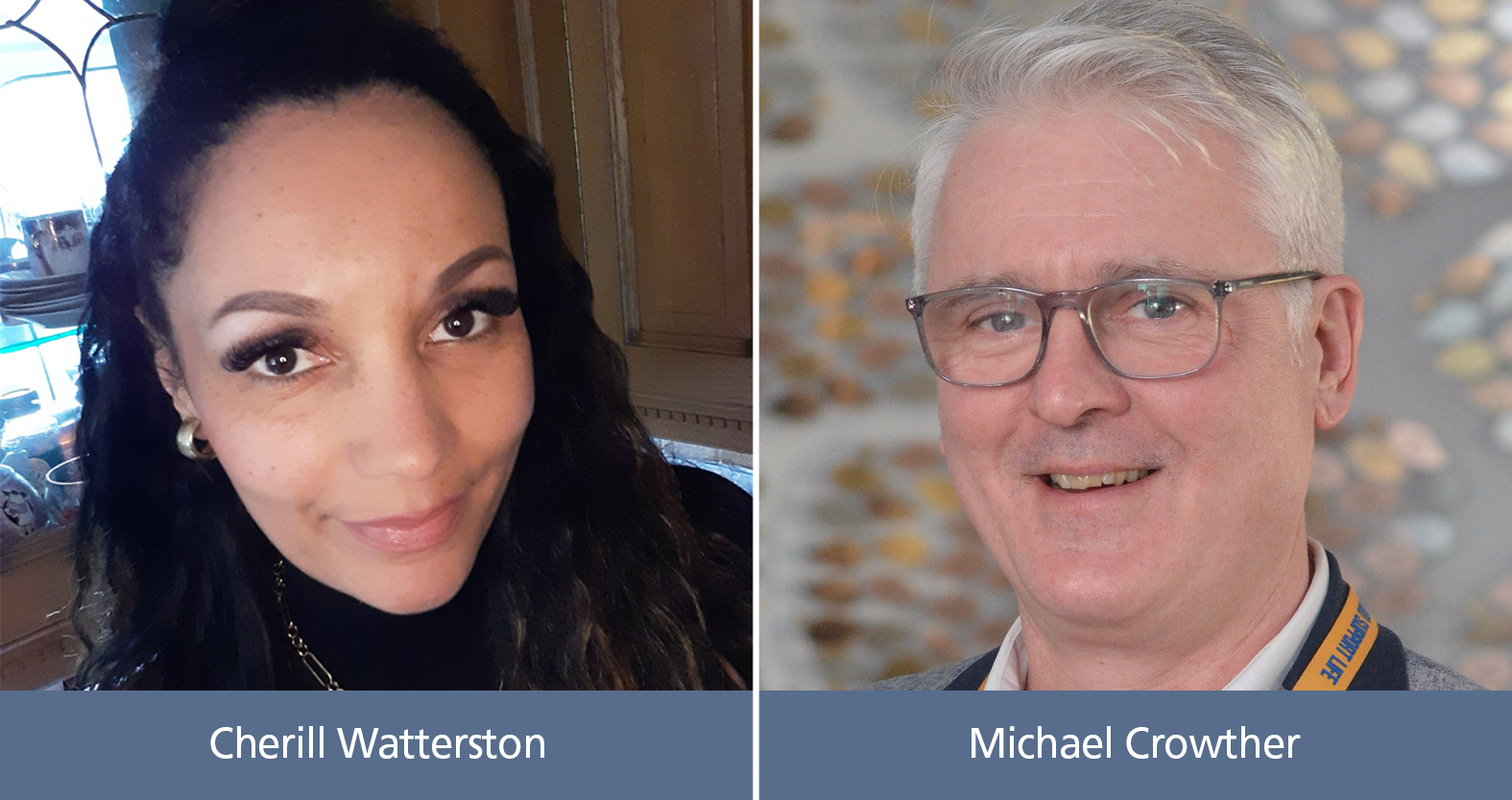
Over the past six years, the West Yorkshire Fellowship Programme has done something unique in our system. It created the conditions for colleagues from ethnically diverse backgrounds to step into leadership with confidence, agency and community. It challenged systemic inequity, shifted conversations, expectations and culture, and showed what is possible when we invest in our people not as a gesture, but with genuine commitment.
We want to recognise the System and Leadership Development Team, whose commitment, expertise and care shaped the programme from the beginning. Their work created supportive learning environments, meaningful development opportunities and strong relationships across organisational boundaries. They held the emotional labour that equity work requires but often goes unacknowledged.
We celebrated the graduation of Cohort 4 in March. They completed their programme and their placements during an extremely challenging period of organisational change. Their resilience, focus and leadership in the midst of uncertainty speaks to the strength of the programme and the depth of their commitment. And to the commitment of teams across the system, many of whom were navigating uncertainty themselves.
As many will know, the formal Fellowship Programme has now come to an end. Cohort 4’s graduation event was also a celebration of the programme and the legacy it leaves. While the structure closes, the impact does not. Nor does the responsibility to build on what it created. The work lives on in the leaders who shaped it, the alumni community who continue to support one another, and the wider system that has been changed by their presence, their courage and their leadership.
The Fellowship was never ‘just’ a leadership development programme. It was a statement of intent - that leadership should reflect the people we serve, that fairness and inclusion are not optional extras and that belonging, psychological safety and equity are the foundations of a health and care system that aims to improve outcomes for the population it serves. These principles remain as relevant now as they were when the programme began.
Ultimately this work is about the quality of human relationships in our system. Between our colleagues, between those we serve and between those who take care of them. Because that is what shapes the real experiences of those people that access support across our Health and Care Partnership.
We are proud of what this programme achieved - not only the HSJ Award, not only the 50+ fellows who completed it, but the cultural shift it sparked. Fellows told us they felt seen, heard and able to influence in ways in which they were previously unable to because of systemic barriers. Teams reported new confidence, new conversations and new expectations of what leadership can look like.
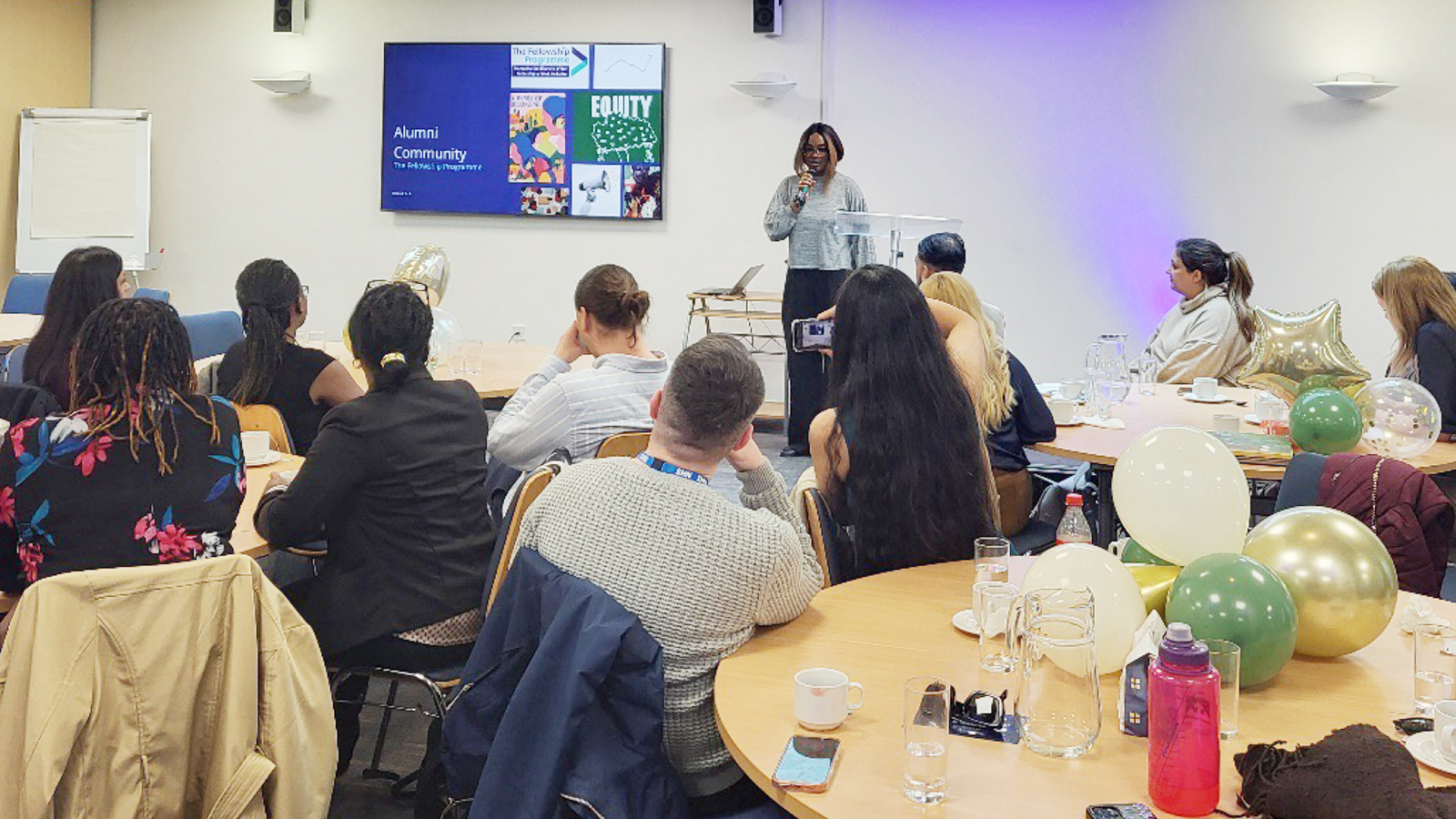
The alumni community remains active, connected and committed, through the leadership of one of our Cohort 3 fellows, Abigail Olaleye. They will continue to learn together, challenge one another and hold the values of the programme in practice not because they are required to, but because they choose to. Their leadership is strengthened by colleagues across the system who believe in the value of this work. This community is now the living legacy of the programme.
As we move into a new organisational landscape, we hold onto the truth that equity work does not disappear because a structure changes. It continues through people, through the leaders who refuse to let progress slip backwards, through communities who stay connected, and through a system that is stronger when it reflects all of us.
The Fellowship Programme may have ended, but the leaders it cultivated and the movement it sparked continues. It continues because people choose to focus on each other. They choose to create belonging.
As colleagues across our system, the opportunity now is to ensure that this does not remain as something that we once did well, but something that continues to shape how we lead, how we develop people and how we make decisions.
“We are far more united and have far more in common than that which divides us.” Jo Cox
Read more about the Fellowship in our Fellowship Programme Report 2025.
Thank you for reading.
Cherill and Michael
What's been happening this week
ICB organisational change
The latest update on the ICB’s organisational change programme is now available on the website.
Endoscopy service awarded prestigious national accreditation
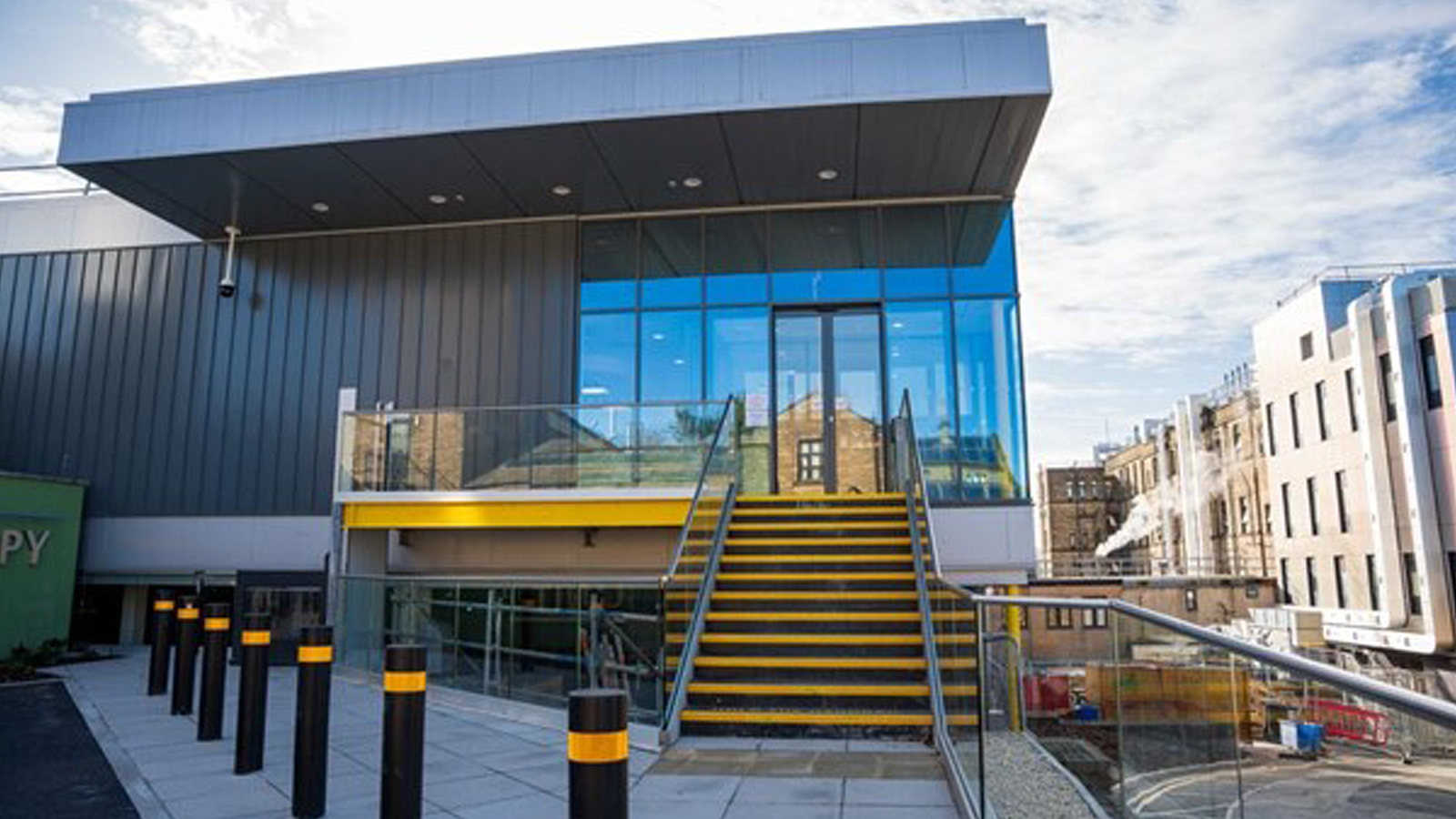
Congratulations to Bradford Royal Infirmary’s endoscopy service which has been awarded a prestigious national accreditation.
Joint Advisory Group accreditation is only awarded to the top performing endoscopy units in the country and provides confirmation that the highest standards of patient care are being adhered to.
The endoscopy team already provides a wide range of diagnostic and therapeutic procedures to thousands of patients across Bradford and its surrounding districts every year. Find out more on the trust website.
New study launches to help us understand what life is like for children and families in Calderdale and Huddersfield
In April, the CHFT Research Team launched the Born and Bred in Calderdale and Huddersfield Study (BaBi). It is part of a group of BaBi research projects all about families and children to help us to learn more about how families in the area and beyond can live healthier, happier lives.
Women booked for maternity care at CHFT will be invited to become part of the study by one of the trust’s midwives during routine antenatal appointments. If they are happy to participate, health researchers will join data about mothers and children, looking into ways to improve healthcare and services through research and planning in the region. Find out more on the trust website.
Bradford doctor selected for prestigious leadership programme
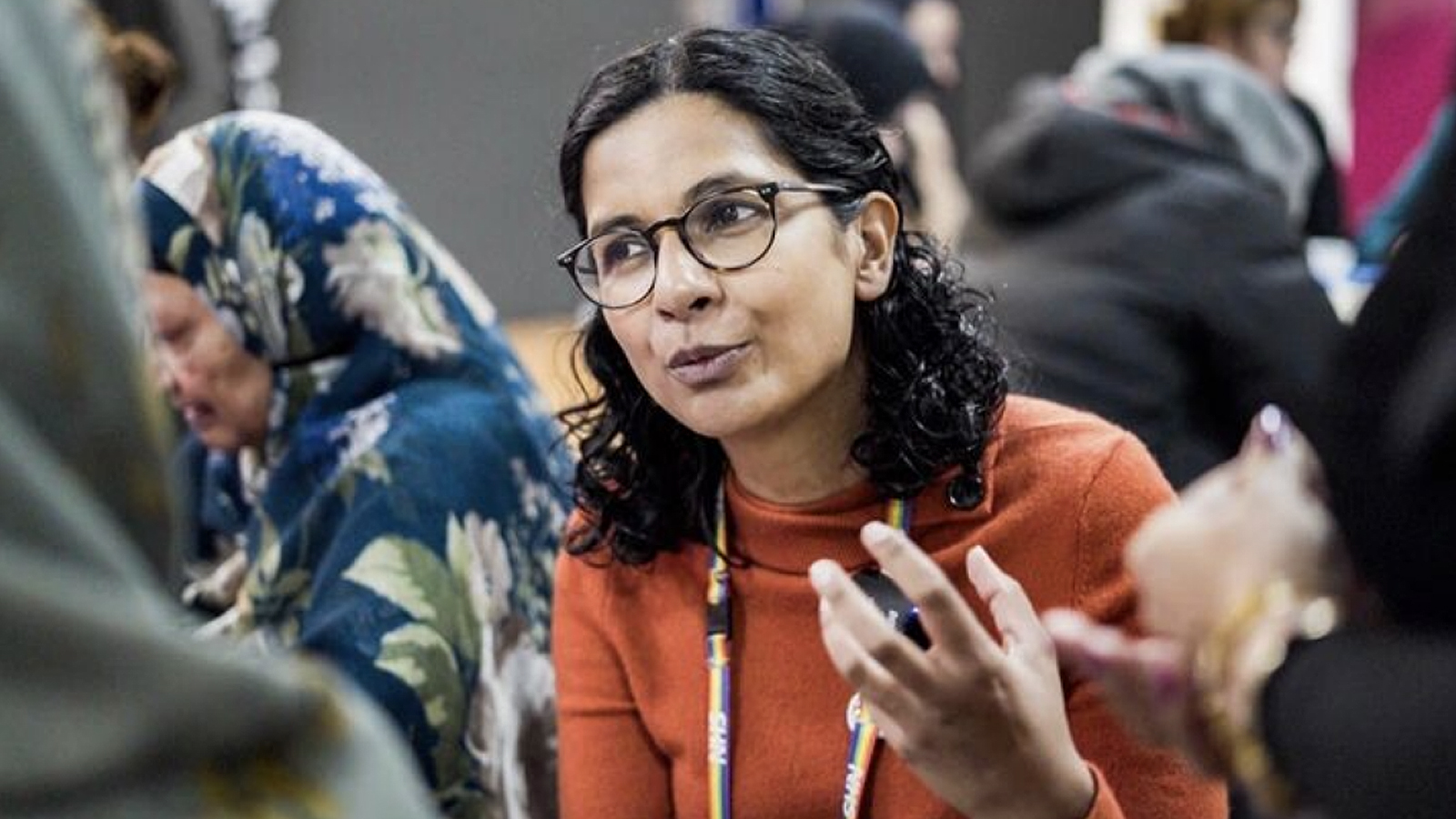
A Bradford doctor has been selected for a prestigious national leadership programme. The renowned ‘Academy of Medical Sciences’ Future Leaders in Innovation, Enterprise and Research’ (FLIER) programme develops trailblazers and managers capable of working across academia, industry and the NHS to address major healthcare challenges.
Consultant in Palliative Care, Jamilla Hussain, will represent Bradford Teaching Hospitals NHS Foundation Trust and the Bradford Institute for Health Research. Dr Hussain is one of 19 emerging leaders from a range of sectors across the life sciences chosen to participate in the 18-month, cross-sector learning experience. Find out more on the trust website.
Congratulations to our West Yorkshire regional winners in the NHS Excellence Awards
Teams and individuals across the North East and Yorkshire have been named as regional champions in the first NHS Excellence Awards, recognising work that is improving care for patients and communities. Among the West Yorkshire regional champions recognised are:
- Digital innovation – virtual wards in secure environments – Spectrum Community Health CIC
- Improving health outcomes – Wakefield family nurse partnership team – Harrogate and District NHS Foundation Trust for their innovative approach to improving health outcomes for young parents
- Leadership – Lucy Elkiss – Lead Project Nurse at Leeds Teaching Hospitals NHS Trust
- Working in partnership – Marie Curie Responsive Emergency Assessment and Community Team (REACT) – Marie Curie Hospice, Bradford for their pioneering partnership in delivering high-quality palliative care
West Yorkshire winners will join colleagues from the North East and Yorkshire region and from across England to form the shortlist from which national winners will be selected. Winners will be announced at an awards ceremony at NHS ConfedExpo in Manchester in June. Good luck to all regional champions. See the NHS England awards pages for more information.
Improving Population Health Fellow shortlisted for top national healthcare award
Congratulations to Humaira Hussain who has been shortlisted for  Biomedical Scientist of the Year at the Advancing Healthcare Awards 2026.
Humaira, a Specialist Biomedical Scientist at Leeds Teaching Hospitals NHS Trust, earned the nomination for her work as an Improving Population Health Antimicrobial Resistance (AMR) Fellow. Her ‘Draw the Line’ project has highlighted the vital role biomedical scientists play beyond the laboratory, driving change in antimicrobial resistance, sepsis prevention and health equity.
Through presentations at AMR and Bacteraemia and Sepsis forums - and by turning her findings into meaningful public health action - Humaira has demonstrated the strategic value of biomedical science in shaping patient pathways. Her work continues to make a wider impact across the health system.
The judging panel will meet on 11 May, with the awards ceremony set to take place on 19 June.
See the Advancing Healthcare Awards 2026 website pages for more information.
Healthy Working Life helps West Yorkshire residents get back on track
Healthy Working Life projects across West Yorkshire are helping more people stay well, stay in work and build confidence for the future through tailored health and employment support. Find out how in our two latest case studies:
Helping people living with breathlessness
A new pilot in Calderdale is helping people living with breathlessness improve their health and move closer to work. The Active My Way: Breathlessness programme supports adults aged 18 to 64 who are employed but currently off work due to respiratory or cardiovascular conditions.
Simon (not real name), who lives with chronic obstructive pulmonary disease (COPD), joined the programme and began pulmonary rehabilitation to rebuild his fitness and routine. Working with Better Living trainer, Nick Hannah, at Brighouse Pool and Fitness Centre, Simon followed a personalised programme that safely reintroduced cycling, alongside lifestyle advice and links to local cycling clubs.
In just two months, his cardiovascular fitness improved by 21% and he increased his overall strength. Simon now attends the gym regularly, has joined a specialist musculoskeletal class and is exploring volunteering opportunities through Halifax Opportunities Trust as he considers future employment options. The pilot is already showing how better health, stronger routines and improved confidence can create clearer pathways back to work. Read Simon’s story
Helping people tackle mental health challenges
A Healthy Working Life initiative delivered through NHS Talking Therapies is helping people tackle mental health challenges and make informed choices about work. Matilda was referred to Vita Health Group while off sick with work-related stress and burnout from a demanding managerial role.
She received joined-up support from both a therapist and employment adviser Carolyn, combining low intensity cognitive behavioural therapy (CBT) with practical employment advice. Over eight weeks, Matilda worked through five therapy sessions while exploring phased returns, workplace adjustments and alternative career options. She developed a wellness action plan, accessed occupational health support and identified that returning to her previous role would not be sustainable. With support to update her CV, prepare for interviews and recognise her transferable skills, Matilda secured a new full-time role starting in March 2026.
By the end of the programme, her wellbeing had significantly improved, with severe anxiety and depression reducing to minimal symptoms. She has also returned to volunteering and rejoined her local theatre group. Her story highlights how timely, joined-up support can help people regain confidence, improve wellbeing and move into work that better supports their health. Read Matilda’s story
Healthy Working Life is a joint programme of the West Yorkshire Combined Authority and NHS West Yorkshire Integrated Care Board.
Updated West Yorkshire policy for self-limiting conditions
Self-limiting conditions are common, minor health problems that usually get better on their own without medical treatment. Symptoms typically improve within a short period of time even without taking any treatment. These include conditions such as acute sore throat, cold sores of the lip, and conjunctivitis.
The NHS must make difficult choices about what it spends taxpayer money on. In line with National Guidance NHS England, NHS West Yorkshire ICB does not support the prescribing of a range of items to treat self-limiting conditions.
Medicines to treat these self-limiting conditions are available to buy over the counter. Pharmacy teams can advise patients on self-care measures, and on which are the lowest cost versions of medicines available. Patients can also access Pharmacy First through their community pharmacy.
Reducing the amount the NHS spends on treating these minor health conditions means that priority can be given to treatments for patients with more serious conditions such as cancer and mental health problems. More information in these self-limiting conditions FAQs and this easy to read over-the-counter-medicines leaflet.