

Skip to main content Skip to navigation Skip to mobile navigation Skip to accessibility tools
West Yorkshire and Harrogate Health and Care Partnership logo
nhsLogo.png
  • About
    • About
    • Our approach to working together
      • Our approach to working together
      • Bradford Local Plan
      • Calderdale Local Plan
      • Kirklees Local Plan
      • Leeds Local Plan
      • Wakefield Local Plan
      • We stand together
    • Our mission, values and behaviours
    • Our 10 big ambitions
    • Our key achievements in 2023/24
    • Our partners
      • Our partners
      • Proud to be a partnership
      • West Yorkshire Hospice Collaborative
    • Partnership CEO lead
    • Integrated Care Board Chair
    • Partnership Board
    • Our Race Equality Network
  • West Yorkshire ICB
    • West Yorkshire ICB
    • About our Integrated Care Board
      • About our Integrated Care Board
      • Who's who
      • Our partners
      • Integrated Care Board constitution
      • Committees
      • Governance
        • Governance
        • National Fraud Initiative
        • Lists and registers
        • Bribery Act 2010 and Economic Crime and Corporate Transparency Act 2023
      • Equality, diversity and inclusion
      • Improving the diversity of our leadership
      • About integrated care systems
      • How we use data
      • General Practice information
      • Emergency preparedness, resilience and response
      • ICB organisational structure
      • Chair recruitment
    • Places
      • Places
      • Bradford District and Craven
      • Calderdale
      • Kirklees
      • Leeds
      • Wakefield District
    • Meetings
      • Meetings
      • Annual General Meetings (AGMs)
        • Annual General Meetings (AGMs)
        • Annual General Meeting - 23 September 2025
      • Integrated Care Board
        • Integrated Care Board
        • Board engagement sessions
      • Audit Committee
      • Finance, Investment and Performance Committee
      • Quality committee
      • Remuneration and Nomination Committee
      • Transformation Committee
      • Transition Committee
      • Place committees
    • Documents
      • Documents
      • Annual Report and Accounts
        • Annual Report and Accounts
        • ICB Annual Report and Accounts 2024-2025
      • Commissioning policies and contract updates
      • Governance documents and policies
      • Reports and plans
      • Our Joint Forward Plan 2024
      • Publication scheme
      • Medicines classification and guidelines
      • NHS continuing healthcare
      • Disclosure log
      • Corporate policies
      • Zero tolerance
      • Accreditation for the award of contracts
      • Modern slavery statement
      • People Strategy 2024-2027
    • Involvement
    • Contact
      • Contact
      • Submit a question to the Board
      • Submit an information request
        • Submit an information request
        • Subject Access Request
      • Comments, concerns and complaints
      • NHS continuing healthcare
      • You and Your General Practice
    • News
    • Partnership website
  • Our priorities
    • Our priorities
    • The difference our Partnership is making
    • Cancer
    • Capital and estates
    • Children, young people and families
    • Digital technology
    • Healthy Working Life
    • Hospitals working together (WYAAT)
    • Improving population health
    • Innovation and improvement
    • Integrated Neighbourhood Health
    • Long term conditions and personalised care
    • Medicines and prescribing
      • Medicines and prescribing
      • Mounjaro® (tirzepatide) and weight management in West Yorkshire
    • Maternity care
    • Mental Health, Learning Disability and Autism
    • Power of Communities
      • Power of Communities
      • Volunteering in West Yorkshire
    • Planned care
    • Primary and community care
      • Primary and community care
      • Dental services
        • Dental services
        • Improving dentistry in West Yorkshire
        • Community dental services
      • Respiratory Care
      • Virtual wards
    • Suicide prevention
    • Supporting carers
      • Supporting carers
      • Carers hospital discharge toolkit
      • Carers App and Digital Contingency Plan
    • Urgent and emergency care
    • Vaccination and immunisations
    • Workforce
      • Workforce
      • Allied Health Professions
      • Mental Health, Learning Disability and Autism workforce
      • People Plan
      • Staff Mental Health and Wellbeing Hub
      • System and Leadership Development
      • Racial Inequalities Training
      • The Race Equality Network
  • News
    • News
    • Blogs
    • Podcasts
  • Meetings
    • Meetings
    • Our Partnership Board
      • Our Partnership Board
      • Partnership Board papers
        • Partnership Board papers
        • West Yorkshire Health and Care Partnership Board meeting - Tuesday 7 March 2023
        • West Yorkshire Health and Care Partnership Board meeting - Tuesday 6 June 2023
        • West Yorkshire Health and Care Partnership Board meeting - Tuesday 5 September 2023
        • West Yorkshire Health and Care Partnership Board meeting - Tuesday 5 December 2023
        • West Yorkshire Health and Care Partnership Board meeting - Tuesday 5 March 2024
        • West Yorkshire Health and Care Partnership Board meeting - Tuesday 16 July 2024
      • Board membership
      • Ask the Partnership Board a question
      • Partnership Board webcast
    • Supporting ethnic minority communities and staff - review panel
    • NHS West Yorkshire Integrated Care Board
  • Publications
    • Publications
    • The difference our partnership is making (case studies)
    • Our Joint Forward Plan 2024
    • West Yorkshire Integrated Care Strategy 2023
    • Our People Plan 2021-25
    • Tackling health inequalities for ethnic minority communities and colleagues
    • Ethical Framework for West Yorkshire Health and Care Partnership
    • West Yorkshire Suicide Prevention Strategy 2022-27
    • Easy reads
    • Other publications
    • West Yorkshire Public Involvement Report 2023-24
    • West Yorkshire ICB Placement Strategy
    • Power of one power of many
  • Campaigns
    • Campaigns
    • Leaving a Gap
    • All hands in
    • West Yorkshire Suicide Prevention Champions
    • Check-in: staff suicide prevention campaign
    • Check-in with your mate
    • Looking out for our neighbours
    • Root Out Racism
    • Together We Can
      • Together We Can
      • Together We Can campaign resources
    • Medicines Safety campaign
    • #MumsCan quit smoking
    • Rightsizing - your home, your choice
    • Speak with a midwife
      • Speak with a midwife
      • Speak with a midwife - for health & care professionals
    • Find out how you really are
    • Seriously Resistant
    • Reasonable Adjustments
    • Mental Health, Learning Disabilities, and Autism Healthcare Support Worker recruitment
    • Maternal Mental Health
    • Gloves off
    • #LetsConnect
    • Vaccinations and immunisations
    • #AutismADHDAllies
    • Midwifery careers
    • Only order what you need
      • Only order what you need
      • Only order what you need - campaign resources
    • Baby movements
  • Involvement
    • Involvement
    • Get involved
      • Get involved
      • Non-Emergency Patient Transport Service
      • West Yorkshire Voice
        • West Yorkshire Voice
        • Join West Yorkshire Voice today
        • Telling people about West Yorkshire Voice
        • West Yorkshire Voice newsletter
        • West Yorkshire Voice members' page
        • How your voice has helped
        • Meet the West Yorkshire Voice team
      • Health and Care Champions
      • Building a new equity and fairness strategy for West Yorkshire
      • Change NHS: Helping shape a health service fit for the future
      • Perinatal Pelvic Health Service – Patient experience
      • Help shape the future of obesity services in West Yorkshire, Humber and North Yorkshire
      • West Yorkshire mental health crisis support - Your experiences and feedback
    • Previous involvement
    • Consultation
    • Working in partnership
      • Working in partnership
      • Wider Involvement Network
    • Evaluating our involvement
    • Co-production
    • Working with Healthwatch
    • Involvement framework
    • Involvement and consultation mapping report
    • West Yorkshire Public Involvement Report 2023-24
    • Communication and involvement plan
  • Contact
    • Contact
    • Any questions?
      • Any questions?
      • You said, we did...
      • Frequently asked questions
      • Integrated Care Jargon Buster
  • Together We Can
    • Together We Can
    • Seasonal health

This week’s blog comes from Craig Marchant-Derrick, Marketing and Communications, Healthwatch North Yorkshire

Posted on: 16 January 2026

Graig Marchant-Derrick, Healthwatch North Yorkshire

Why listening to people matters in health and social care

Health and social care services exist to support people in their everyday lives. To do that well, services need to understand real experiences. Listening to people who use or try to access services, as well as those who care for others, helps shape care that is safer, fairer, more accessible and better aligned with what people need.

Across England, healthcare services continue to face pressure. Millions of people are waiting for routine treatment, and many people report difficulties getting GP appointments, finding an NHS dentist or timely treatment. Access to services is also not the same for everyone. Factors such as transport, cost, digital access, language, disability and caring responsibilities can make it harder for some people to get the care they need.

National data also shows differences in access and waiting times depending on where people live and their personal circumstances. These challenges are not just figures in a report. They affect daily life, work, family responsibilities and wellbeing.

This is why local voices matter. They help us understand what life is really like behind the numbers for people across West Yorkshire and Craven.

Listening to people’s experiences adds detail that data alone cannot provide and helps show what using services is really like day to day. It can highlight issues such as missed letters delaying appointments, unclear communication increasing worry, or appointments being difficult to attend because of travel, cost or caring responsibilities. These everyday issues are often what shape people’s overall experience of health and social care.

Good listening also means hearing from a wide range of people, especially those who may find it harder to speak up. We know some groups face greater barriers to care, including people on lower incomes, those living with long-term conditions, unpaid carers, disabled people, people from some ethnic minority backgrounds and people whose first language is not English. These differences in access, experience and outcomes are often described as health inequalities. They are shaped by wider factors such as income, housing, education, location and how services are designed. If these voices are not heard, services risk being shaped around the experiences of only a small part of the population.

Local Healthwatch regularly hears from people who want to share both what works well and what could be better. For staff and decision-makers, independent insight adds value by showing how services work in practice. It helps identify where systems create unnecessary barriers, where communication could be improved and where small changes could make a real difference to people’s experiences.

People’s voices already play a role in informing planning and decision-making. Bringing together insight from local communities helps ensure decisions are grounded in real experiences rather than assumptions. This sits alongside clinical data, performance information and professional expertise to support more informed choices.

National learning shows that relatively small improvements can have a big impact, such as clearer appointment letters, better information when people leave hospital and more consistent communication, all shaped by listening carefully to what people say about their experiences.

By valuing people’s voices across West Yorkshire and Craven, services can better understand how care works in practice and where it can be improved. Local Healthwatch listens to people’s experiences of health and social care and shares this insight with those who plan and deliver services. It helps people find information and understand their options when they are unsure where to turn. Listening carefully to a wide range of people helps shape care that is fair, responsive and centred on those who rely on it.

What else has been happening?

ICB organisational change

The latest ICB organisational change update is available on our website.

Nordic healthtech companies bring health innovations to the UK

Eleven pioneering Nordic healthtech companies have been selectedPropel Nordic Boot Camp to bring their health innovations to the Yorkshire and Humber region as part of the Propel International Boot Camp, delivered by Health Innovation Yorkshire and Humber.

The programme supports international small and medium-sized enterprises (SMEs) to enter the UK healthcare market, helping them align with NHS priorities, improve patient outcomes and accelerate adoption within the NHS.

The selected companies are introducing a wide range of digital health and medical technology solutions, including:

  • a digital app supporting maternal mental health during pregnancy
  • an interactive touchscreen tablet promoting healthy ageing and social inclusion
  • advanced wound care products designed to improve patient comfort and reduce skin complications

These innovations address key challenges facing the NHS, including workforce pressures, preventative care, ageing populations and patient experience. Find out more on the website.

Last chance for winter jabs

The ICB is urging West Yorkshire residents to get Winter jabs COVID‑19 and flu vaccines before programmes close.

With colder weather and respiratory viruses still circulating, getting protected remains one of the simplest ways to reduce the risk of serious illness and pressure on local health services.

The COVID‑19 autumn/winter 2025/26 programme ends on 31 January 2026, and the flu vaccination offer remains open until 31 March 2026.

This winter, COVID-19 vaccinations are available to adults aged 75 and over, older adult care home residents and people who are immunosuppressed.

The flu vaccination is being offered to children and pregnant women, everyone aged 65 and over, under 65s in clinical risk groups, care home residents and carers, close contacts of those who are immunosuppressed and frontline health and social care staff.

The NHS National Booking Service on the NHS website is open for all those eligible to book their winter flu and COVID-19 vaccinations www.nhs.uk/nhs-services/vaccination-and-booking-services.

Check if you’re eligible on the NHS website www.nhs.uk/vaccinations.

BLOSM team up with local partners to support BLOSM team January 2026rough sleepers in Huddersfield
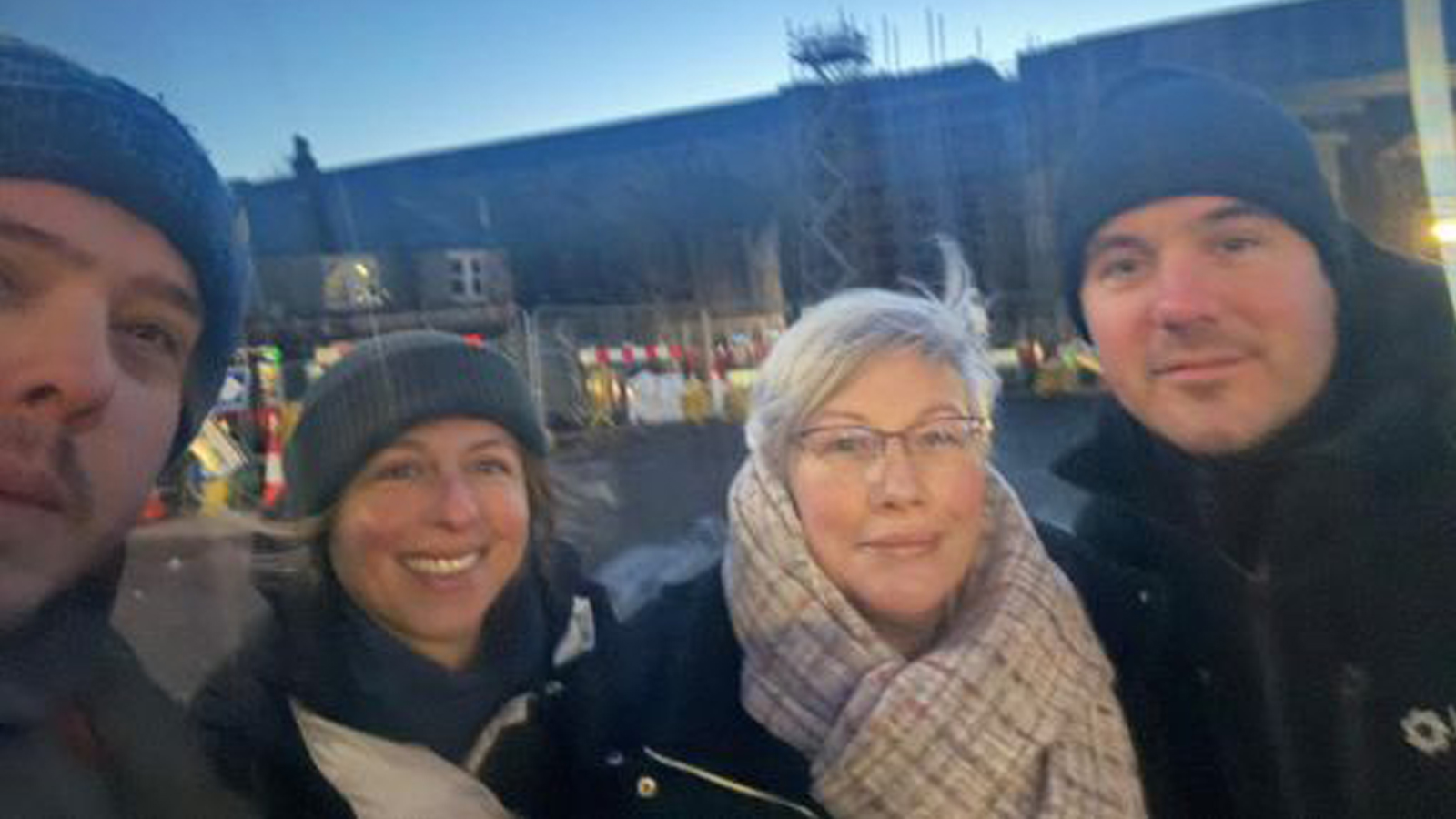
During the recent cold weather, the BLOSM team has been working with local partners on outreach to rough sleepers in Huddersfield. The cold weather meant a severe weather emergency protocol (SWEP) was in place. People identified as sleeping rough were offered temporary accommodation through a specialist housing team in Kirklees Council. Find out more on the

Trust doctor warns about dangers of ketamine misuseDr Downey.jpg
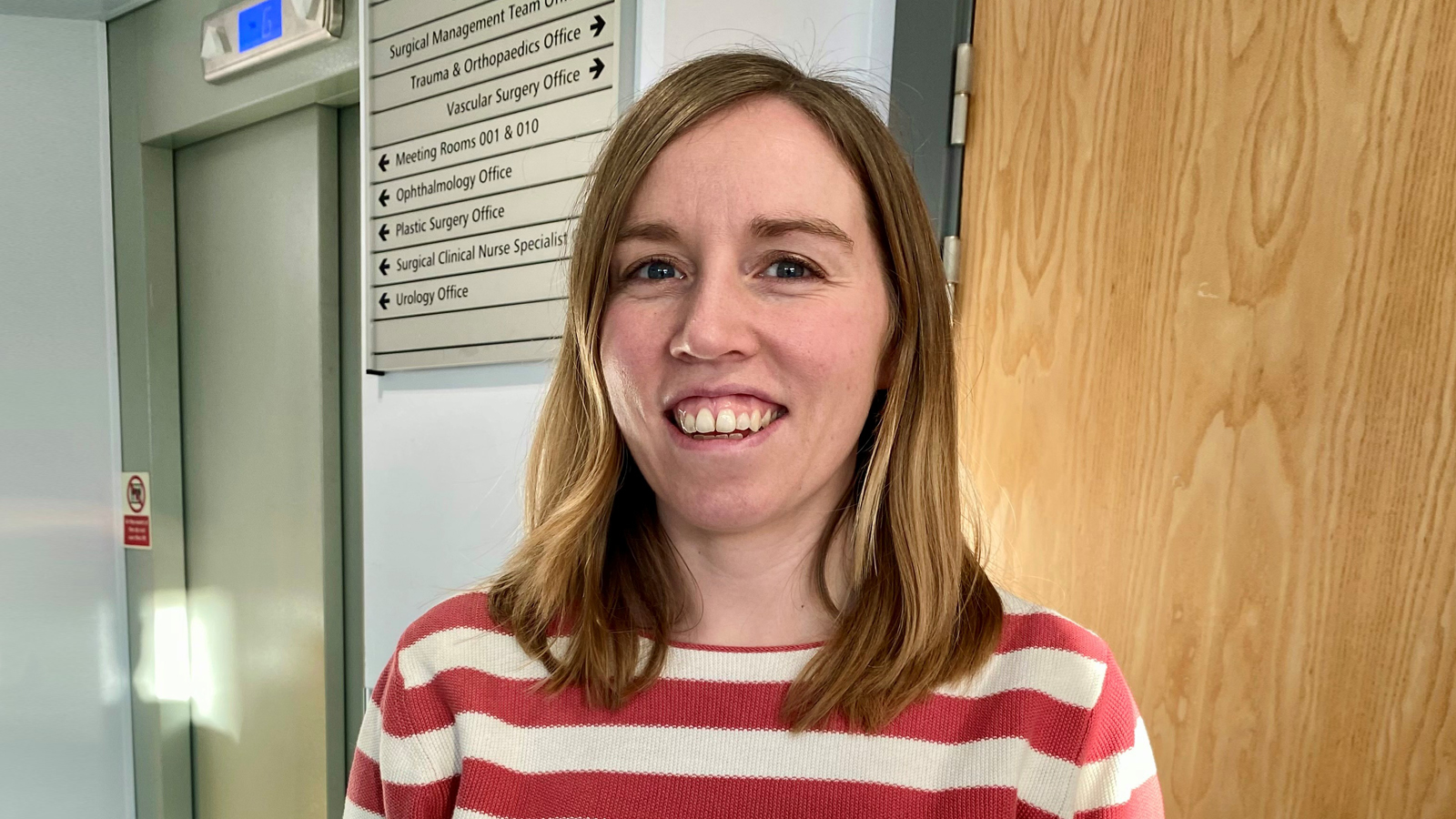
Dr Alison Downey, Consultant Urologist at Mid Yorkshire Teaching NHS Trust, has issued a strong warning about the dangers of ketamine misuse. She explains that, although her clinic usually sees patients with conditions common in older adults such as bladder cancer, kidney stones and prostate issues, they have recently seen a dramatic shift in their patient population. Their clinic is now inundated with teenagers and young adults whose bladders are so severely damaged that they require major reconstructive procedures typically performed only on cancer patients. Find out more on the trust website.

Employer support for unpaid carers in the workplace

Thousands of people across West Yorkshire juggle paid work with caring for HWL Carer supporta loved one - often without their employer ever knowing. As part of Healthy Working Life, a joint programme from the West Yorkshire Combined Authority and NHS West Yorkshire Integrated Care Board, the Employer Support for Unpaid Carers in the Workplace project is transforming how organisations recognise and support staff with caring responsibilities.
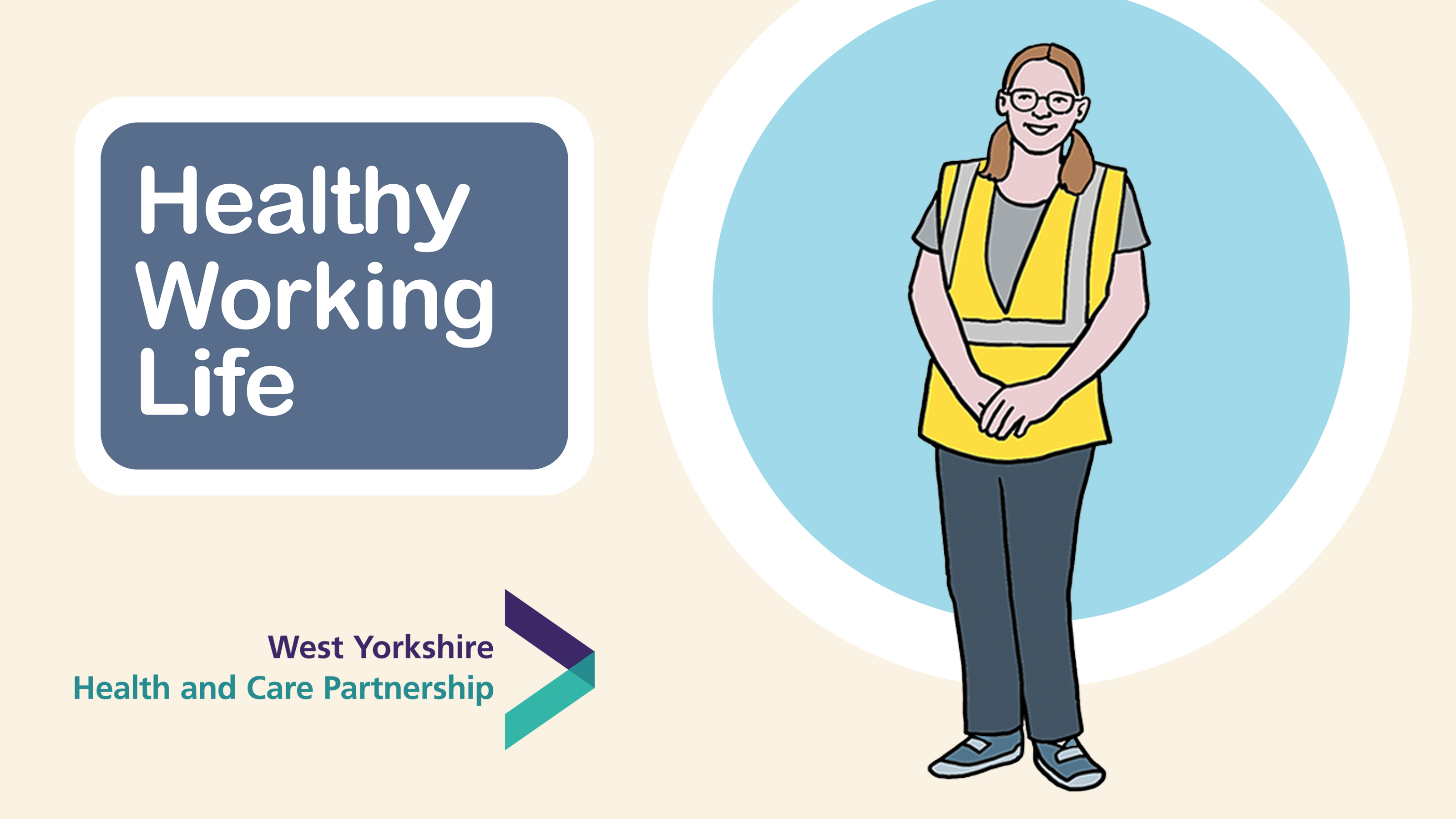
Around one in seven employees is an unpaid carer (TUC, 2024). Evidence shows that when carers are supported, businesses benefit too - with improved wellbeing, stronger staff retention and increased productivity.

Delivered by local carer organisations, the project offers free, tailored support to employers across West Yorkshire. This includes employer forums to share good practice, awareness training for managers and teams, and bespoke organisational support to help review policies, set up carer networks and embed carer-friendly workplace practices.

Read more on the Healthy Working Life programme case study pages.

Our Partners

Bradford Council: Home
CMBC_-_Logo_carousel.png
Kirklees Council
Leeds City Council
North Yorkshire Council
Wakefield Council
Airedale Foundation Trust
Bradford Teaching Hospitals NHS Foundation Trust
Bradford District Care NHS Foundation Trust
Calderdale and Huddersfield NHS Foundation Trust
Harrogate and District NHS Foundation Trust
Leeds and York Partnership NHS Foundation Trust
Leeds Community Healthcare (LCH)
Leeds Teaching Hospitals NHS Trust
The Mid Yorkshire Hospitals NHS Trust
South West Yorkshire Partnership NHS Foundation Trust
Yorkshire Ambulance Service
NHS England
Healthwatch
Locala Community Partnerships CIC
Spectrum Community Health CIC
UKHSA_-_Logo_carousel.png OHID_-_Logo_carousel.png

Footer information

Privacy notice | Accessibility statement | Modern slavery statement

Accessibility tools

Text size:
Contrast:
Frank Ltd.
Return to header