
Posted on: 9 January 2026
What? When we reach retirement age we are more likely NOT to be in good health.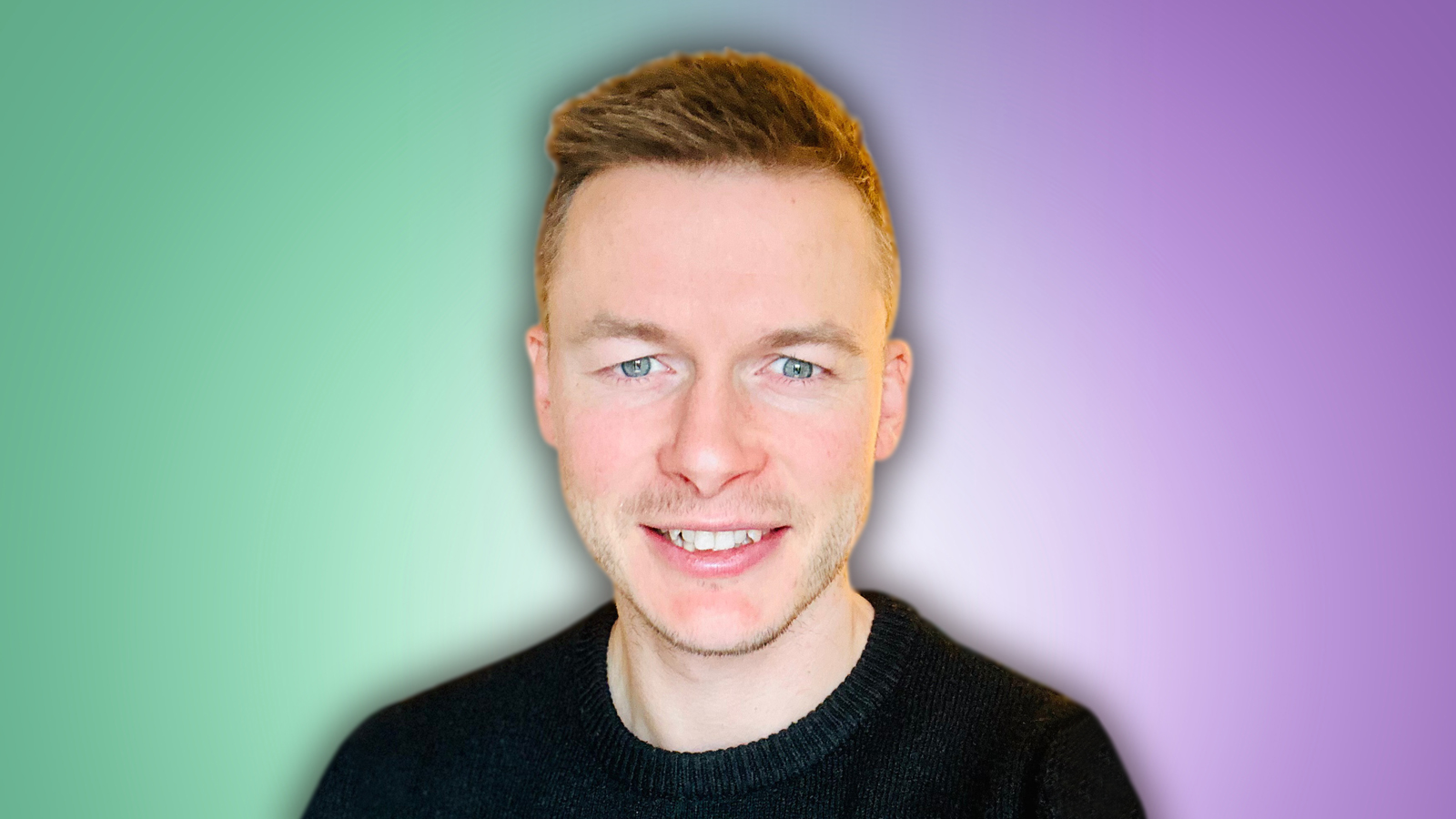
What’s all this about?
When it comes to the grand plan, retiring in poor health is not it. Working in poor health is also not it. But for many people, including our colleagues and the patients we see, this is unfortunately the case.
Hello, I’m Jez, a physiotherapist and advanced practitioner who grew up in Bradford District and Craven with a love of sport and the outdoors. I am fortunate that my health allows me to work full time and spend most of the rest of the week playing, coaching or watching football. But what happens when our health stops us doing our work or doing what we love? Working within a long COVID service for the last five years has shown me the devastating impact a health symptom or condition can have on people’s lives and why making work a health outcome is so important.
Human happiness and wellbeing are said to require somewhere to live, someone to love and something to do. Our role is to limit or stop health getting in the way of that, and making work a health outcome should be the start.
An earlier version of the quote includes something to hope for. Currently, believing that things will change for the better can be challenging, and my thoughts go to all those who are impacted by the current changes.
The data:
- the experience of ill health will be 20 years earlier for those in the most deprived areas compared to those in the least deprived areas of West Yorkshire
- 1 in 5 people living in the most deprived areas will have more than one long-term condition when they are 50 to 59 (1 in 10 for least deprived areas)
- 339,180 people in West Yorkshire are working with a health issue
- 101,000 people are currently unable to work because of one or more health conditions
- being out of work due to ill health can lead to lower income, poor health behaviours and social isolation or loneliness - these are all risk factors of further health conditions, including frailty
In other words, we know that over 20% of working age people in West Yorkshire are balancing work and health. We know that many of these people will have more than one long-term condition. And we know that if people are unable to achieve the balance between work and health, they will be at greater risk of further health issues and increased health deprivation.
Vocational rehabilitation
Vocational rehabilitation is a process that helps individuals with health conditions  overcome barriers to achieve and maintain meaningful employment (Vocational Rehabilitation Association). The expertise in this area has grown rapidly in West Yorkshire over the last few years since the start of the pandemic. This is in part due to symptoms of COVID-19 lasting longer than four weeks (long COVID) for thousands of working age people.
Historically, like most rehabilitation, it has been considered in the ‘nice to do’ box, a dispensable part of the healthcare system. Finally, with a focus on community and prevention, the power of quality, value and rehabilitation are being recognised. ‘Addressing the impact of a health condition on a person’s everyday life by optimising their functioning and reducing their experience of disability’ (definition of rehabilitation, WHO, 2024) improves people’s lives and reduces demand on the NHS which improves capacity.
Now, through the Healthy Working Life programme, multiple offers exist across West Yorkshire for all long-term conditions. This includes stroke in Bradford District and Craven, those having cardiac rehabilitation in Mid Yorks as well as support for people with long COVID in Leeds. You can read more here. These schemes sit alongside a large offer of support for people from community-based offers by the voluntary, community and social enterprise sector (VCSE) as well as other rehabilitation and large-scale digital and education offers.
Symptom-based, patient-led multi-disciplinary assessment and rehabilitation
Work-focused support can identify health issues early, as symptoms often emerge years before diagnosis. Addressing symptoms quickly enables earlier intervention for potential undiagnosed conditions.
A symptom-based, multi-disciplinary approach to assessment and rehabilitation offers a setting where people with multiple conditions can receive support within a single service. While condition-focused commissioning has its benefits, it often leads to fragmented care for individuals with more than one condition. This can result in numerous appointments and medications. Over the past five years, long COVID services throughout West Yorkshire have created inclusive environments that support people both with multiple long-term conditions and those without formal diagnoses. It focuses on their symptoms rather than individual conditions with a biopsychosocial approach.
Having the ability to step up care from focused work support to multi-disciplinary assessment and rehabilitation creates a seamless step for patients in a trusted environment. The next step would be to integrate with VCSE based offers to allow people to move seamlessly from community offers to health-based support, and back.
Consider work and education as a health outcome
When we ask working age people, “What matters to you?” we often find, unsurprisingly, that work is a top priority. This can also be the same for young people where school or education is a vital part of their life. When supporting people with their health, consider work and education as a health outcome and think rehabilitation. Early data and understanding suggests this could have a significant impact on health inequalities, our population and our economy.
If you are struggling with health and work, or if you would like to find out more, please visit the Partnership website.
If you are short of a resolution for 2026, consider focusing on you and finding the right work/life balance to maximise your health and wellbeing.
What's been happening this week?
Macmillan Support Centre opens in Pontefract Hospital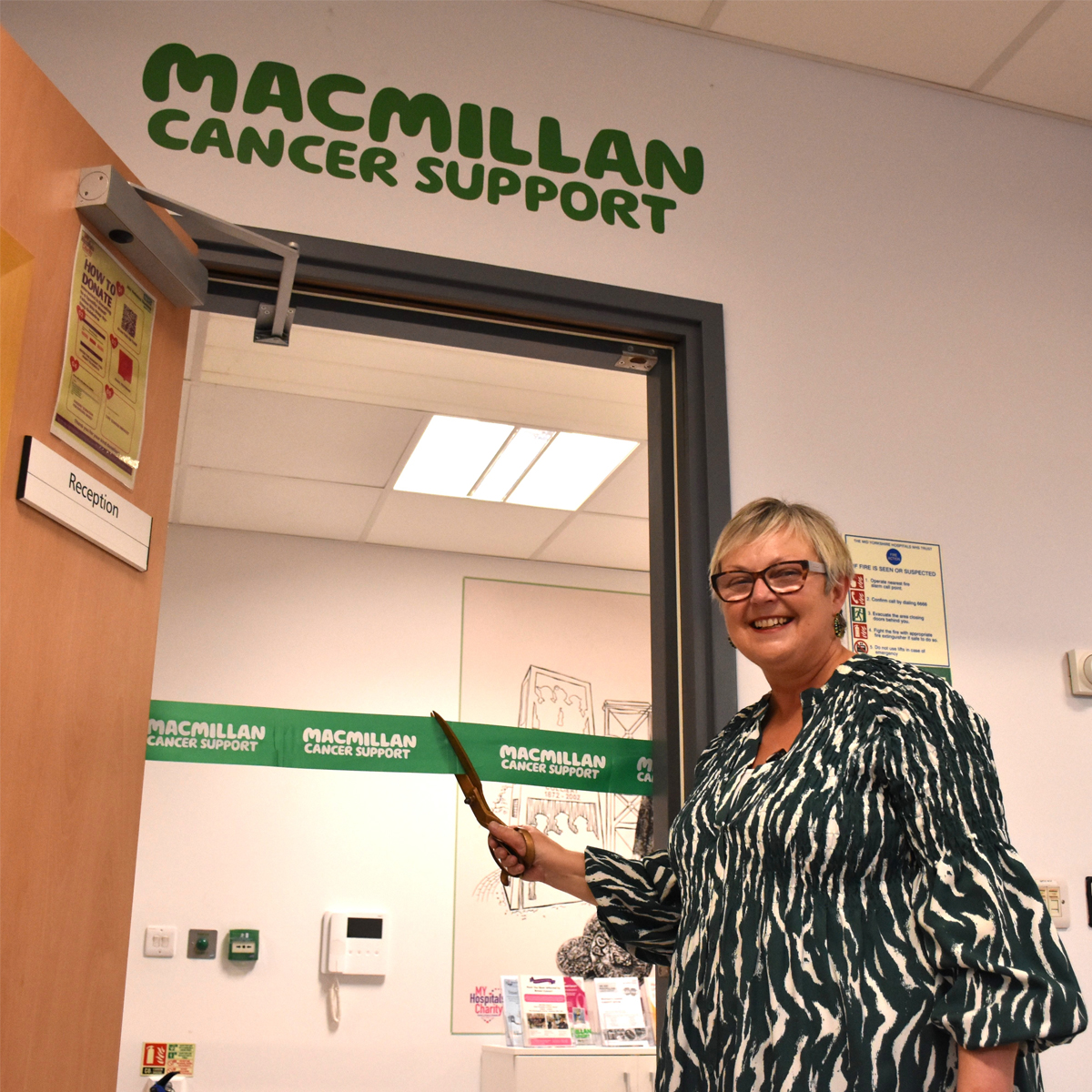
The new Macmillan Cancer Support Centre has officially opened at Pontefract Hospital.
It means there is now a dedicated Macmillan hub in all three Mid Yorkshire Teaching NHS Trust (MYTT) sites, offering advice, information and support to anyone affected by cancer.
The ribbon was cut by Tracey Strutt, a resident in the Pontefract area. Tracey was diagnosed with secondary breast cancer in 2016 and had little hope of a positive outcome. Ten years on and she is still living with cancer, supported by her family who have raised more than £27,500 for Macmillan Cancer Research.
The new hub has been made possible by funding from Macmillan Cancer Support and MY Hospitals Charity. Read more on the trust website.
Abuse victims to get NHS support
Initiatives to transform how the health service responds to violence against women and girls, and child sexual abuse have been announced. Read more on the gov.uk website.
NHS dental reforms 
Patients across England will be able to get urgent dentist appointments more easily in future. The government will proceed with a number of reforms, the most significant modernisation of the NHS dental contract in years, following a consultation with the sector and the public.
Read more on the gov.uk website.
NHS diabetes prevention scheme helps one million  people
New analysis shows that nearly one million people in England have started the NHS Healthier You Diabetes Prevention Programme which can prevent or delay the onset of type 2 diabetes. The programme, a clinically proven weight management and lifestyle change initiative, was one of the world’s first diabetes prevention schemes when it launched in 2016. The one million includes 68,500 patients referred from West Yorkshire since July 2019. See the diabetes section of joined up care West Yorkshire on Futures for more tailored resources to support referrals.
Reconnecting health and work - Tom's journey
Halifax Opportunities Trust’s ‘Work Well Calderdale’ project is part of the Healthy Working Life programme. It is making a significant impact in supporting people who are off work with a fit note due to mental health or musculoskeletal conditions. The project recognises that good work is not just an economic necessity but a key factor in overall health and wellbeing.
Participants referred to the programme, such as Tom, receive personalised support tailored to their individual needs. This includes wellbeing-focused coaching, practical advice and access to specialist counselling through local partners. The approach is flexible and offers support through various channels to ensure accessibility during periods of fluctuating health.
By helping people remain connected to work, even during recovery, the project aims to protect mental health and reduce the risk of long-term absence from the workforce. Outcomes for participants have included improved confidence, recognition of transferable skills, exploration of new career opportunities and a stronger sense of purpose. The project demonstrates the value of integrated support and community-based delivery, showing that employment can be a vital part of the recovery process.
The project is part of Healthy Working Life, a joint programme of the West Yorkshire Combined Authority and NHS West Yorkshire Integrated Care Board, to help reduce the number of people in West Yorkshire who may become unable to work because of ill health. Read more about Tom’s journey on the Healthy Working Life case study pages.