

Posted on: 3 December 2025
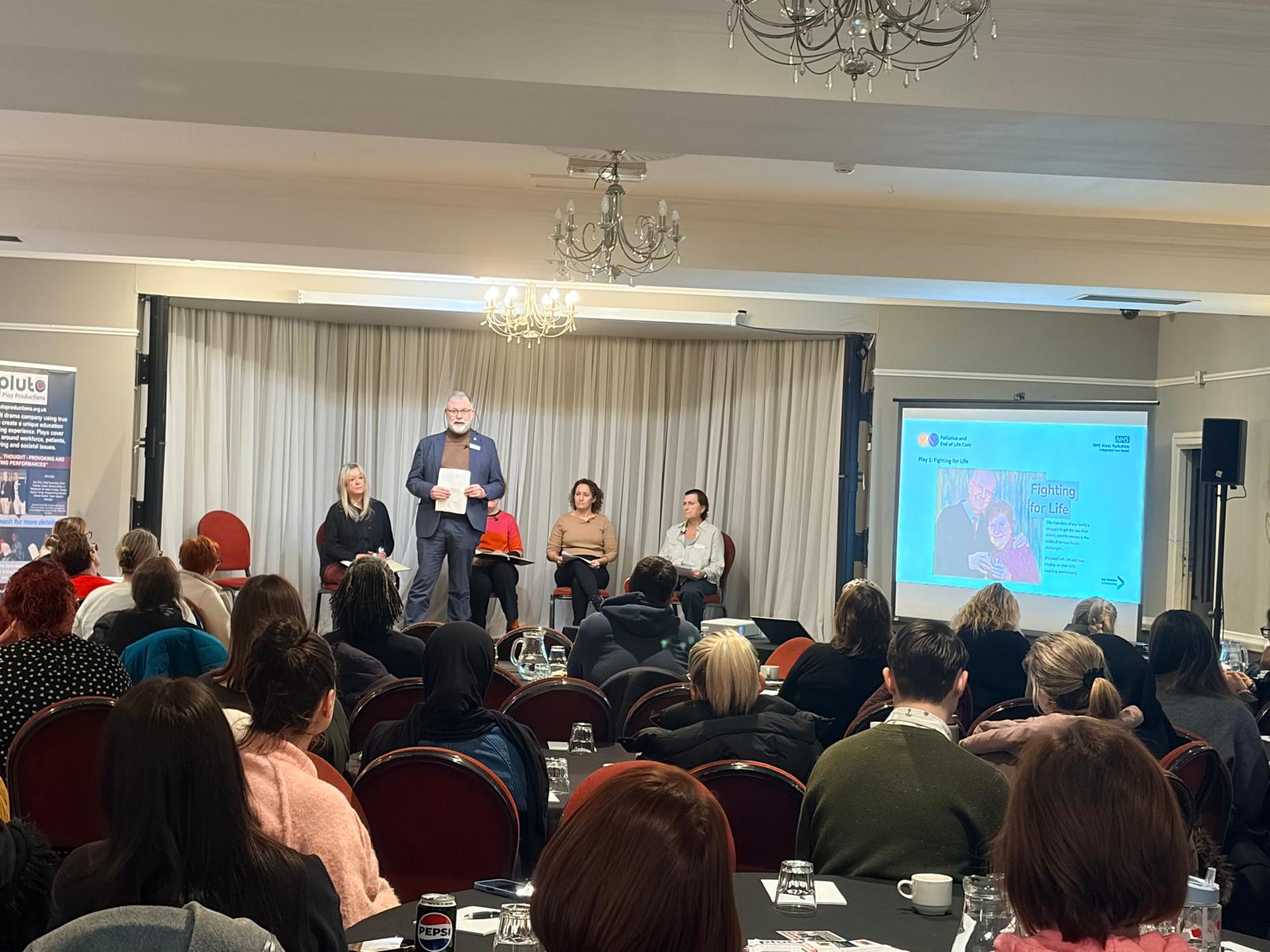 More than 100 healthcare professionals from across West Yorkshire gathered on 26 November in Bradford for a study day focused on improving palliative and end of life care for adults, children and young people.
Palliative care colleagues working in our Children, Young People and Families and Improving Population Health Programmes jointly hosted the event themed ‘navigating care, honouring life’. Attendees represented acute and community nursing, social care, education, hospices, care homes and the ambulance service.
The event centred around two plays - Fighting for Life and Bounce Back Boy - written by Brian Daniels and performed by Pluto Productions. The cast used theatre to bring patient and family experiences to life, prompting reflection, open and honest conversations among delegates.
Amy Kenyon, Macmillan Transformation Lead for Palliative and End of Life Care, who chaired the event said: “The power of bringing real stories to life through drama was incredible. We laughed, cried, collaborated and shared both personal and professional experiences. It reminded us why human connection, compassion and truly listening are at the heart of good palliative and end of life care.”
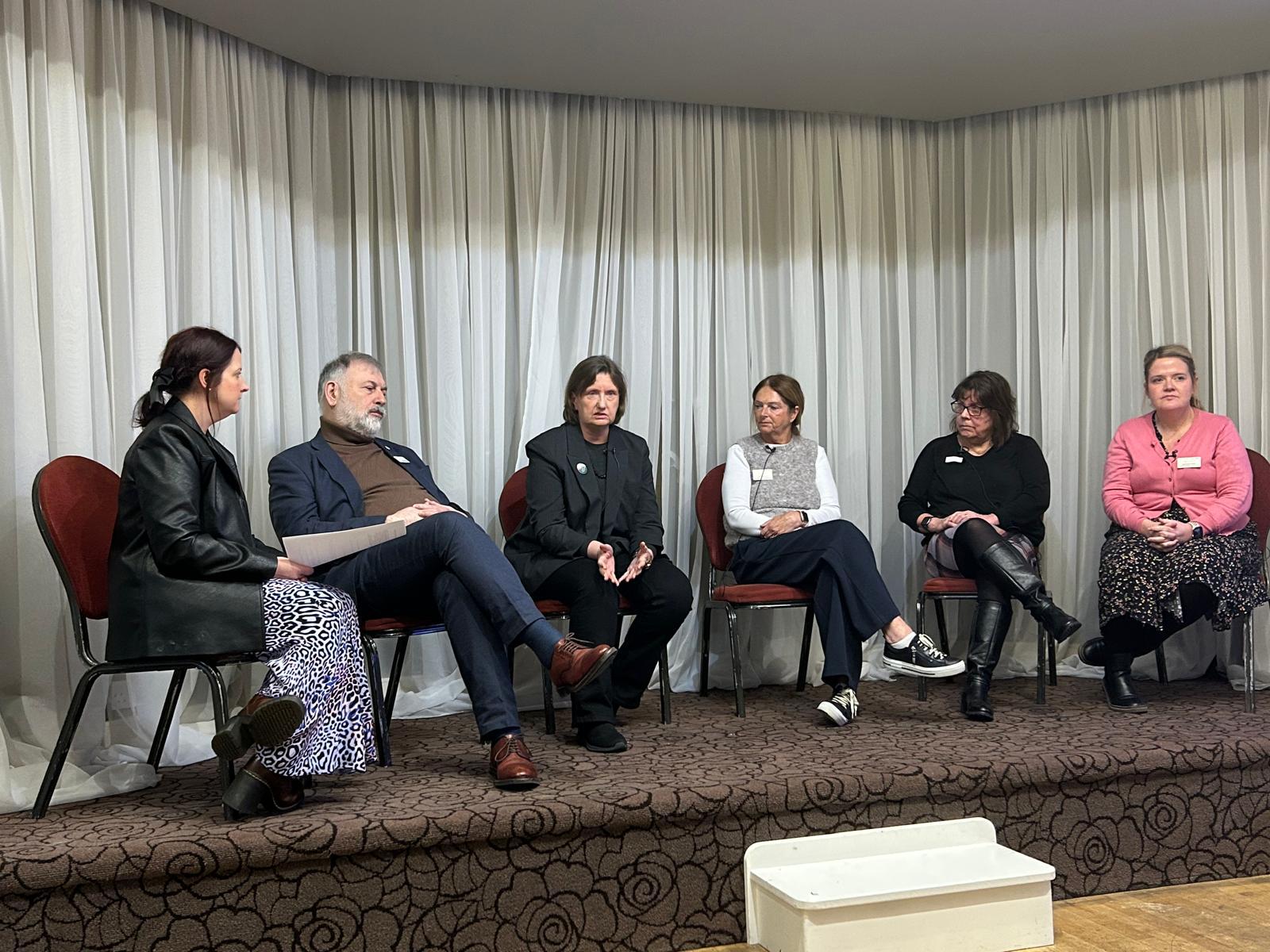 Panel sessions explored how to improve access to care, strengthen healthcare pathways and build multi-agency approaches to tackling inequalities and inclusion health. Delegates also focused on the transition from children’s to adult services, sharing challenges, insights and examples of best practice.
Dani Lewis, Clinical Programme Manager for the Children and Young People's Programme Palliative and End of Life Care team, added: “The study day highlighted the importance of interagency learning, active listening and embedding inclusion health across all areas of work. It reaffirmed our shared commitment to ensuring that people of all ages receive compassionate, personalised and dignified care.
“The impact of hearing real stories through drama shaped many of the conversations, strengthening themes of compassion, presence, communication, trauma-informed care and the importance of early conversations. We also discussed the need to talk openly about death and dying and understand what matters most to people and their families.”