

Posted on: 4 February 2026
This year, Ramadan is expected to begin on the evening of Tuesday 17 February 2026 and end on either Wednesday 18 March or Thursday 19 March 2026, depending on the sighting of the moon.
As Muslims in West Yorkshire, across Britain and around the world prepare for a month of fasting (sawm), prayer and reflection, healthcare professionals are encouraging people to look after their wellbeing. Ramadan holds deep spiritual and religious significance for individuals and families, and it can also be a time to focus on health and self-care, with practical steps helping to ensure a fulfilling experience.
For people living with long-term health conditions, the decision about whether to fast during Ramadan is a very personal one. NHS West Yorkshire Integrated Care Board (ICB) encourages anyone with health concerns to speak with a healthcare professional in advance of Ramadan.
Dr Sohail Abbas, Deputy Medical Director for the ICB, said: “Ramadan is a deeply meaningful time for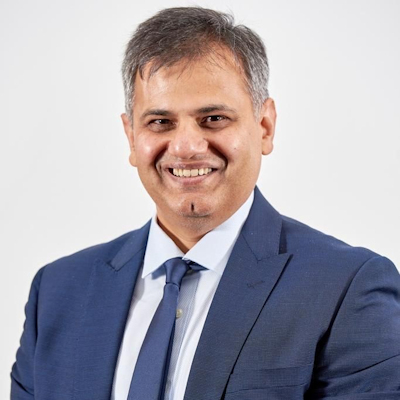 many people. It’s also an opportunity to focus on health and wellbeing. Whether someone is living with a long-term condition, working in a demanding role, or simply adjusting to fasting, small steps like staying hydrated, eating a balanced diet and looking after mental wellbeing can make a real difference to having a positive and fulfilling Ramadan.”
People with medical conditions, such as diabetes or high blood pressure, are advised to talk to their GP, nurse, pharmacist or specialist team to make informed decisions about fasting safely. For people living with diabetes, preparation and support are particularly important.
Dr Waqas Tahir, Clinical Diabetes Lead at West Yorkshire Health and Care Partnership, added: “For people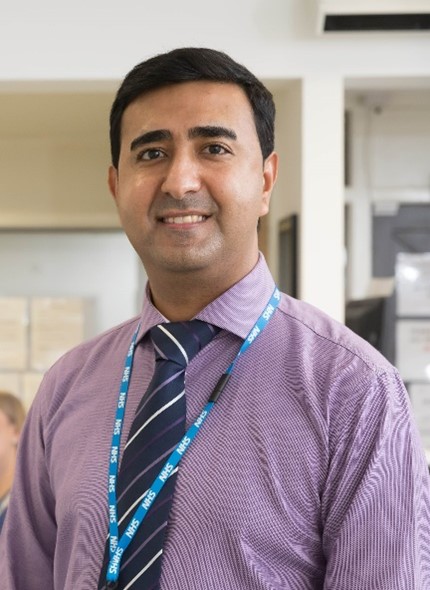 living with diabetes, fasting during Ramadan can present additional challenges, which is why planning and support are so important. We encourage anyone with diabetes who is considering fasting to speak to their healthcare team in advance. Using tools such as continuous glucose monitoring can help people better understand their blood glucose levels, detect hypoglycaemia early and fast more safely during Ramadan.”
Fasting can also be challenging for people working in healthcare and other demanding roles. Simple steps such as taking regular breaks, staying hydrated during non-fasting hours, eating well and incorporating light physical activity can help support wellbeing throughout the month.
Here are some practical tips for a healthy and successful fast:
- Take short breaks during the working day instead of a lunch break
- Stay hydrated by drinking plenty of water during non-fasting hours and avoiding dehydrating drinks such as tea and coffee
- Maintain a balanced diet to support overall health and energy levels
- Incorporate light physical activity, such as walking, into daily routines
- Gradually reduce caffeine intake before Ramadan to help minimise withdrawal symptoms
Dr Abbas and Dr Tahir added: “We wish everyone observing Ramadan a happy, healthy and peaceful month. By prioritising health and wellbeing alongside spiritual reflection, communities can make the most of this sacred time while nurturing minds, bodies and spirits.”
Here are some short videos developed with the British Islamic Medical Association on having a healthy Ramadan:
- Ramadan health benefits
- Ramadan: long term conditions and mental health conditions
- Top tips for a healthy Ramadan
Organisations that are looking to support their workforce during Ramadan, can visit the NHS Confederation website for guidance that both the public and private sectors can use.