

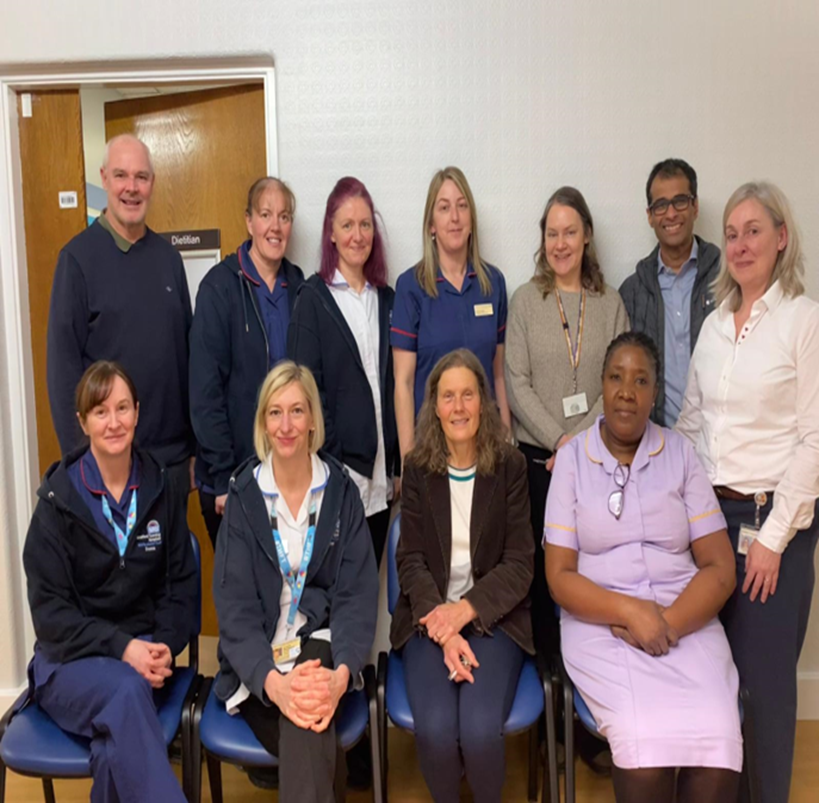
 Spotlight on Bradford Teaching Hospitals NHS Foundation Trust - Bradford Transition Service
For young people aged 16 to 25 living with type 1 diabetes, the move from paediatric to adult services can be one of the most significant turning points in their healthcare journey. At Bradford Teaching Hospitals NHS Foundation Trust (BTHFT), the Bradford Transition Service has been supporting young people through this milestone for many years - offering continuity, reassurance and personalised care at a time when life can feel especially difficult.
Recently, the team has been working to evolve the service further, ensuring it becomes even more supportive, accessible and joined-up. This work has been strengthened through collaboration with colleagues across West Yorkshire as part of the Seamless Transition Programme.
Why transition matters
Supporting young people with type 1 diabetes goes far beyond their immediate clinical needs. It involves equipping them with confidence, skills and psychological support as they enter adulthood.
Dr Shaun Gorman, Consultant Paediatrician at BTHFT, emphasises the importance of this stage: “Transition isn’t a handover - it’s a journey. Young people need time, space and consistent support to build the confidence they need to manage diabetes independently. Our goal is to help them feel prepared, not pushed.”
Through the Seamless Transition Programme, the Bradford team engages with young people, listening to their experiences and what truly matters to them. This insight has directly shaped service improvements.
What’s changing in Bradford
Collaboration across West Yorkshire provided space for shared learning and innovation. As a result, the Bradford Transition Service has introduced a range of enhancements to better meet the needs of local young people.
These developments include:
- more flexible clinic times that fit around school, university and work
- pre-clinic meetings to align the paediatric and adult teams and streamline care
- clear, accessible patient leaflets explaining how the transition service works throughout the year
- digital tools such as DigiBete and WhatsApp to make communication more responsive
- QR-code feedback, allowing young people to share their views easily
- data tracking and monitoring to identify gaps, measure progress and outcomes
Dr Susana Gonzalez, Consultant in Diabetes and Endocrinology, highlights how these changes have strengthened the service: “We’ve built a more connected, responsive pathway that reflects how young people actually live their lives. Digital tools, flexible appointments and better communication help us meet them where they are - not where the system expects them to be.
“The improvements have also strengthened teamwork across paediatric and adult services, creating a more seamless experience for young people entering the adult system.”
The team’s innovation was recognised when they were named finalists for the Innovation Champion Award at the BTHFT Brilliant Awards 2025.
Looking ahead
The recent National Diabetes Audit for Adolescents and Young Adults (AYA) provides insight into what’s working well and what areas need to improve across the country. Priorities across West Yorkshire for the coming year include:
- reducing inequalities in diabetes outcomes by deprivation and ethnicity
- strengthening transition pathways between children’s and adult services
- enhancing emotional and mental health support for young people with diabetes
Every young person’s experience is different and each dataset represents a real individual.
Dr Gorman adds: “Behind every metric is a young person balancing diabetes with school, friends, work and life. Their stories must guide how we design services.”
National policy changes
On 7 November 2025, the Driver and Vehicle Licensing Agency (DVLA) announced updated rules for group 2 drivers (bus, coach and lorry licences), allowing the use of continuous glucose monitoring systems (CGMS) for the first time. This policy shift is significant, not just for drivers, but for the future of diabetes care.
Dr Gonzalez said “CGM technology is already central to how many young people manage their diabetes. Recognising it in national safety regulations signals progress toward more flexible, realistic and supportive policy frameworks.”
This aligns closely with the themes of the AYA audit:
- reducing barriers
- supporting independence
- improving access to modern tools
- embedding digital support across services
Dr Gonzalez reflects “Seeing policy evolve to embrace modern diabetes technology reinforces the importance of our local work. It shows that the system is beginning to reflect young people’s lived realities.”
Next steps
The Bradford Transition Service continues to evolve in partnership with young people, regional colleagues, and national policy changes. By making services more flexible, more connected and more person-centred, the team is helping adolescents and young adults across West Yorkshire take confident steps into adulthood with type 1 diabetes.
“The commitment is simple, every young person deserves the knowledge, tools and support they need to thrive,” says Dr Gorman.