

 This activity is part of Healthy Working Life, a joint programme of the West Yorkshire Combined Authority and NHS West Yorkshire Integrated Care Board.
What’s this project all about?
Vita Health Group delivers NHS Talking Therapies with a strong focus on helping people stay in work or return to work as part of their recovery. Delivered as part of the Healthy Working Life programme, people can receive mental health therapy and employment support at the same time.
This joined-up approach recognises that mental health and work are closely connected.
Employment Adviser, Carolyn Leonard, explains: “Work is a key part of recovery. By supporting mental health and employment needs together, we help people to explore their options and return to work safely and with confidence at a time and pace that feels right for them.”
One patient’s experience
Healthcare worker Gillian (not real name to protect identity) worked in an administrative role in a busy environment. Ongoing pressure at work led to anxiety, burnout and physical health problems. Over time, this made it difficult for them to cope at work and they were signed off sick for several weeks.
Gillian was referred to NHS Talking Therapies for anxiety and work-related stress. After assessment, the service offered low intensity cognitive behavioural therapy (CBT) alongside employment support, delivered at the same time.
Therapeutic support
The patient received five sessions of low intensity CBT over around two months. Therapy focused on understanding anxiety, reducing worry and learning practical coping strategies that could be used both at home and in the workplace.
Employment support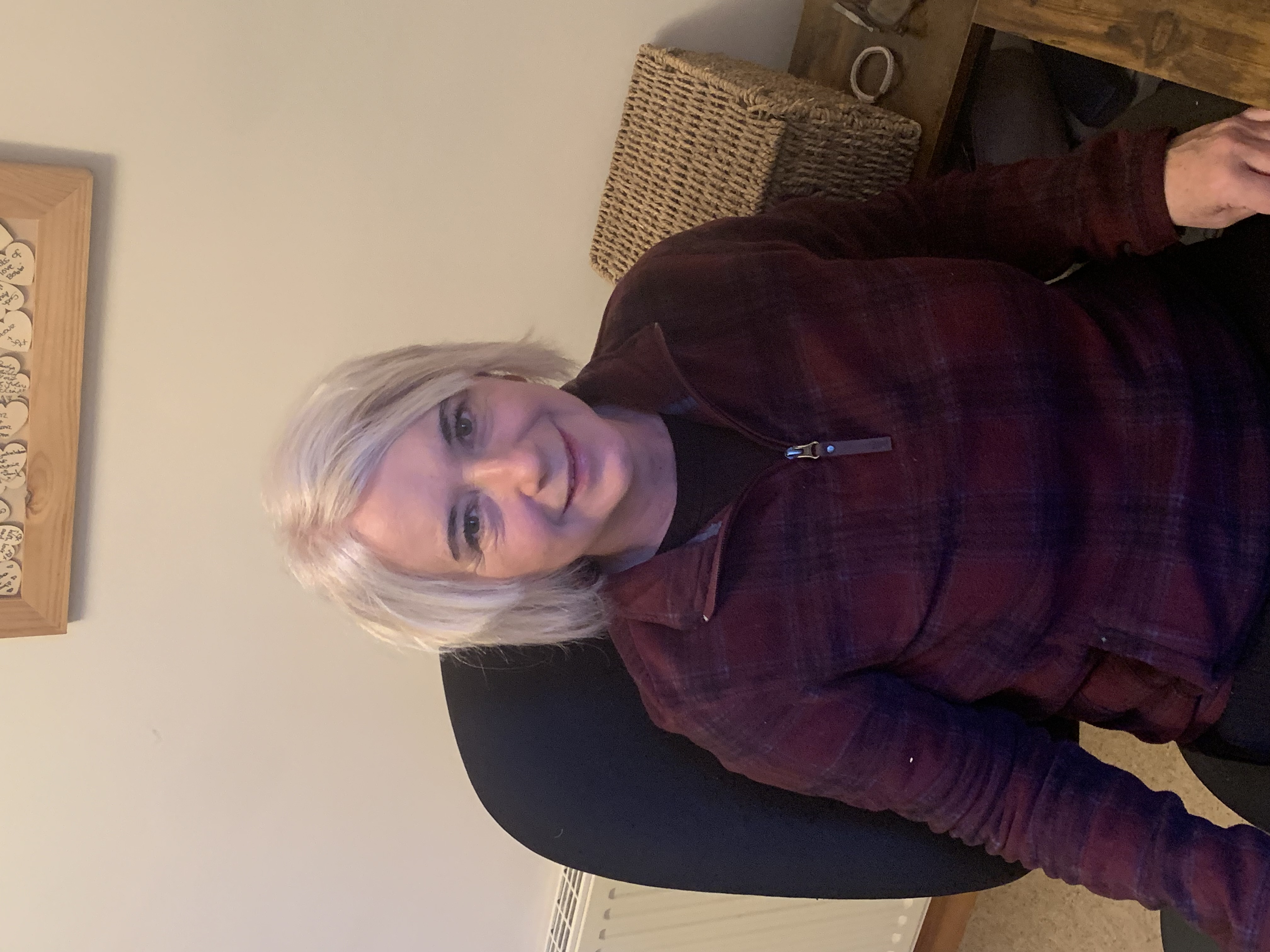
Alongside therapy, the patient received four sessions of employment support from an Employment Adviser (EA).
Carolyn said: “We focus on practical tools that people can use in real work situations, helping them feel more in control and less overwhelmed.”
In the first session, the EA and patient created a plan to support Gillian’s goal of returning to work and feeling supported. This included:
- return-to-work planning and phased return guidance
- exploring reasonable adjustments
- building confidence in communicating at work
- preparing for work meetings
- guidance on occupational health
- support to complete a work wellness action plan (WAP)
Working closely together, Gillian and the EA identified work-related triggers and considered how these affected wellbeing. This helped Gillian feel more confident asking for support. The EA also gently encouraged the patient to contact their manager, which improved understanding and led to more supportive conversations. The EA supported the patient to request an occupational health referral that had been delayed for almost two years.
Carolyn explained: “Employment support is about turning concerns into practical steps. We help people plan conversations and understand workplace processes so they feel supported, not overwhelmed.”
The EA and patient also looked at daily routines. They identified that mornings were increasing stress, so they worked together to create a calmer routine before returning to work. To reduce anxiety about commuting, the patient practised the journey and visited the workplace before returning. This helped rebuild confidence and reconnect with colleagues.
Gillian said: “I drove to work in my car, to prepare myself for my return, the drive was good, I also met some colleagues and they were so supportive - I even felt missed.”
What difference has it made?
Because the patient received therapy and employment support at the same time, care was well coordinated and focused on recovery through work. Gillian returned to work on a phased return, starting with mornings and gradually increasing hours. Within one month, they were back to full-time work.
Employment support continued during this period to check progress, address concerns early and make sure the return to work felt manageable. By the end of support, Gillian
- felt confident and comfortable at work
- communicated openly with their manager and colleagues
- had no ongoing work-related concerns
- felt settled back into a full work routine
Carolyn said: “Returning to work became part of Gillian’s recovery. Being back in a routine and feeling valued made a real difference to their wellbeing.”
What do people think about it?
Gillian said: “Everyone has continued to be supportive and lovely. To be honest, I have really needed to do my full hours - I didn’t know what to do with myself at home. So pleased I am back and enjoying being with everyone and doing my role.”
What’s next for the project?
Gillian completed treatment feeling well, confident and fully back at work. They now have practical tools to manage stress and a clear understanding of how to protect their wellbeing in the workplace.
Vita Health Group continues to deliver integrated NHS Talking Therapies and employment support, helping people recover, return to work, and stay well in the long term.
As Carolyn summed up:
“When mental health support and employment support work together, people don’t just recover - they rebuild their working lives.”
You can also read the supporting mental health and a return to work case study as a PDF file.
This project is part of Healthy Working Life - reducing the number of people in West Yorkshire who may become unable to work because of ill health. Find out more on our Healthy Working Life website pages.