

We have put together a range of easy-to-use resources to help you understand, manage, and monitor your blood pressure. On this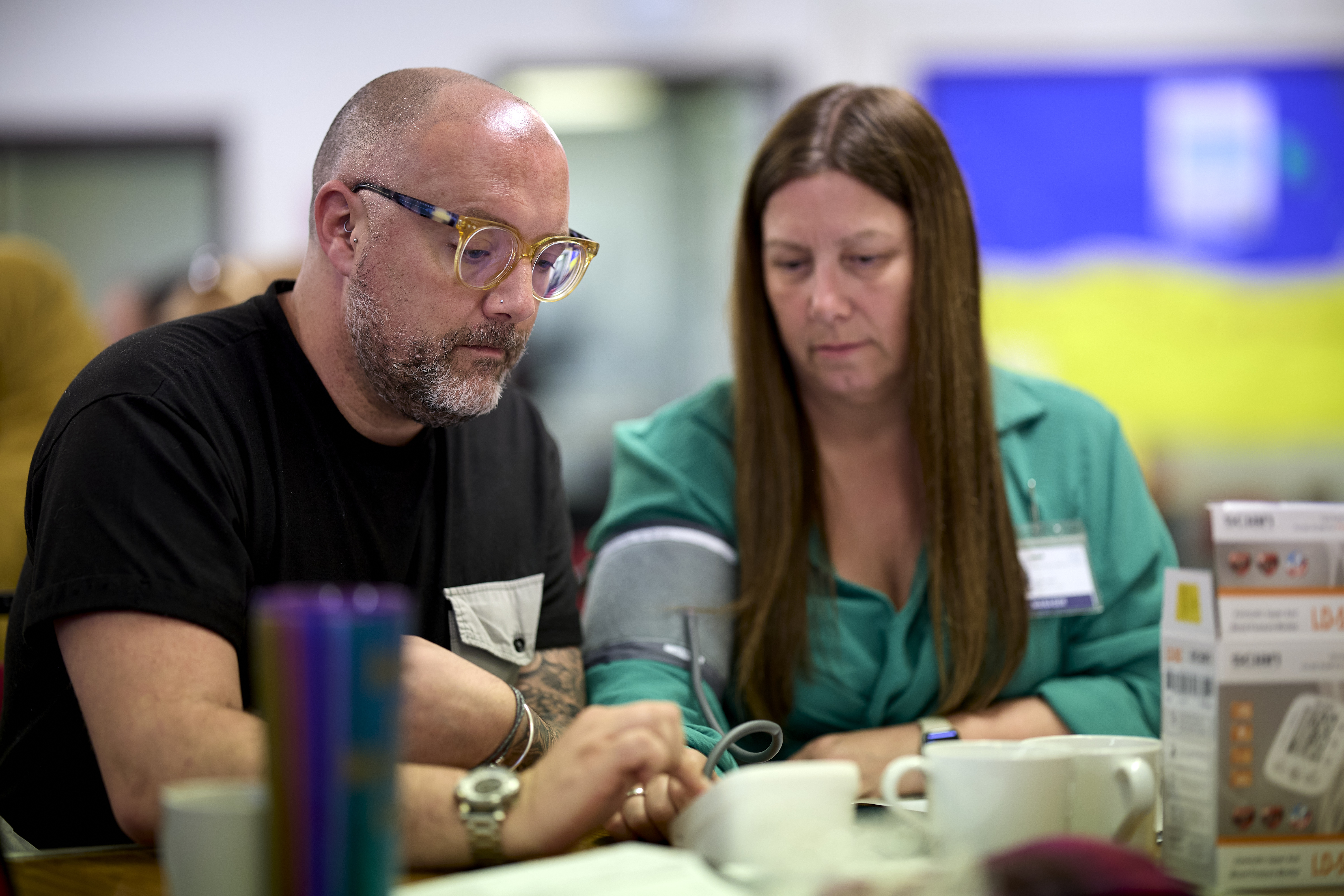 page, you will find:
- blood pressure chart and diary
Download: all resources on this page are available to download in Word or PDF. We also provide Easy Read versions which may help support people with learning disabilities, autism, or cognitive disabilities but many people will find them useful.
- Patient information - blood pressure monitoring (PDF)
- Patient information - blood pressure monitoring (Microsoft Word)
- Patient information - blood pressure seven day monitoring form (PDF)
- Easy read - what is high blood pressure and how to record it (PDF)
- Easy read - blood pressure seven day monitoring form (Microsoft Word)
Translate this page: to read this page in another language, click the “Translate” option in your browser (usually found by right-clicking on the page or selecting the translate icon). You can also copy the web page link into Google Translate to view it in your preferred language.
Accessibility: this website is run by NHS West Yorkshire Integrated Care Board. We want as many people as possible to be able to use this website. View the West Yorkshire Health and Care Partnership accessibility statement.
What is high blood pressure?
High blood pressure (also called hypertension) can be dangerous. With the right help and lifestyle modifications, it can be managed. One way to help is by checking your blood pressure at home. This helps you stay healthy and gives your health care professional useful information.
Why monitor your blood pressure?
Your health care professional may ask you to check your blood pressure at home. Doing this helps them see how your heart is doing and helps them decide the best way to look after you.
Understanding your blood pressure numbers
When you check your blood pressure, you get two numbers, like 120/80.
- The top number (called systolic) shows the pressure when your heart is beating.
- The bottom number (called diastolic) shows the pressure when your heart is resting between beats.
Blood pressure is measured in millimetres of mercury written like this - mmHg.
Equipment you need to check your blood pressure
You’ll need a blood pressure monitor. The monitor comes with a cuff that goes around your upper arm. Here are some tips:
- Choose a monitor that’s been checked and approved for use in the UK.
- Make sure the cuff fits well, not too loose, not too tight. You should be able to fit two fingers under it.
- Write down your results in the 7-day diary.
- Check the monitor every couple of years and buy a new one if needed.
- For accuracy choose a monitor that has been validated by the British and Irish Hypertension Society (BIHS) You can buy a reliable monitor from many trusted sources, such as the British Heart Foundation's online shop and many high street or online shops.
Tips for how to measure your blood pressure at home
When and how often to check
To get the best results:
- wait at least 30 minutes after eating, having caffeine, smoking, exercising, or taking medicine.
- go to the toilet before checking.
- sit quietly for 5 minutes before you start.
- sit the right way:
- feet flat on the floor
- back supported by a chair
- arm on a table with the cuff at heart level
- stay still and quiet while the machine takes your reading.
When and how often to check
- Check your blood pressure twice a day:
- once in the morning (6am–12pm)
- once in the evening (6pm–midnight)
- Take two readings each time, a few minutes apart
- If the numbers are very different, take a third reading
Write down all the numbers and note if you feel unwell or stressed.
Need a demonstration?
You can watch a short video and see pictures on the Blood Pressure UK website using this link It will show you step by step how to check your blood pressure at home.
Show your results to your health care professional. They might suggest changes to your food, exercise, or medicine to help keep your blood pressure healthy.