

We have put together a range of easy-to-use resources to help you understand how blood pressure links with pregnancy and other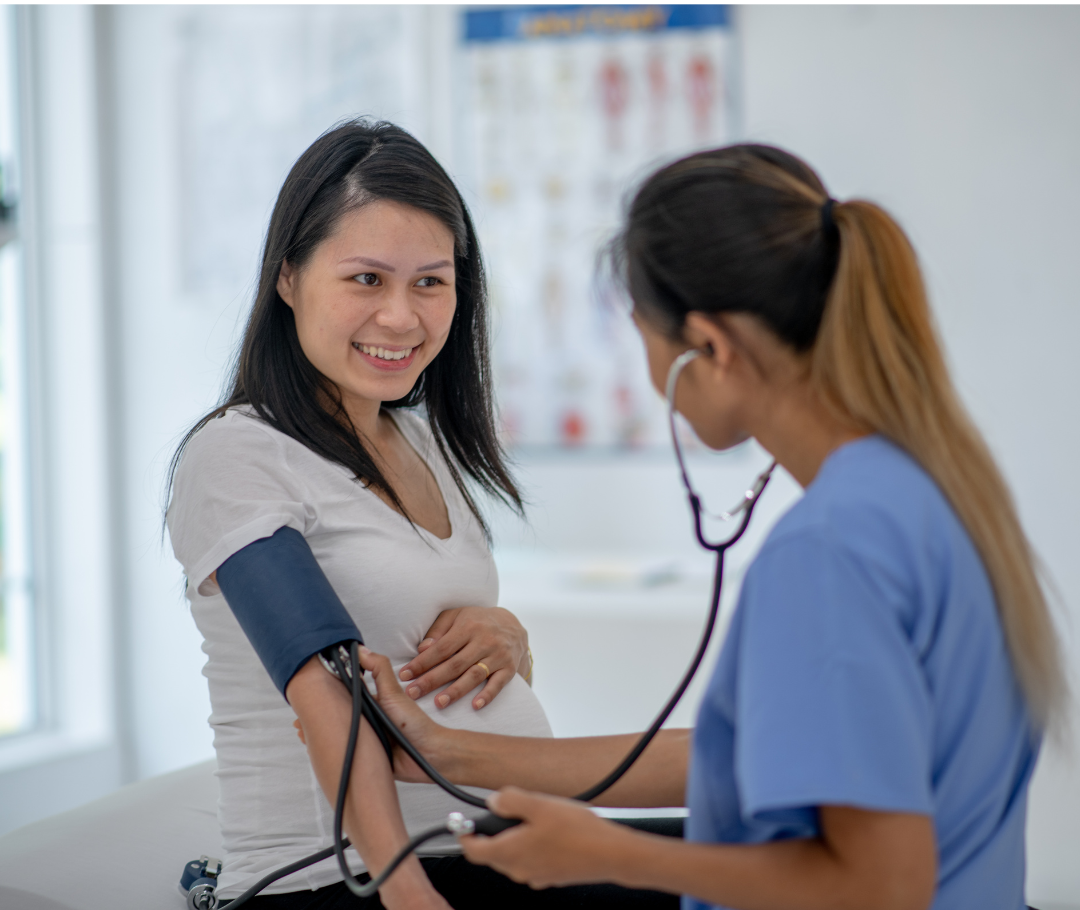 health conditions. These resources explain the risks, offer practical advice, and highlight where to get support. On this page, you will find information about:
- pregnancy and blood pressure
Download: all resources on this page are available to download in Word or PDF. We also provide Easy Read versions which may help support people with learning disabilities, autism, or cognitive disabilities but many people will find them useful.
- Patient information - high blood pressure and pregnancy (PDF)
- Patient information - high blood pressure and pregnancy (Microsoft Word)
- Easy read - high blood pressure, pregnancy and other condition (PDF)
Translate this page: to read this page in another language, click the “Translate” option in your browser (usually found by right-clicking on the page or selecting the translate icon). You can also copy the web page link into Google Translate to view it in your preferred language.
Accessibility: this website is run by NHS West Yorkshire Integrated Care Board. We want as many people as possible to be able to use this website. View the West Yorkshire Health and Care Partnership accessibility statement.
High blood pressure during pregnancy
During pregnancy, high blood pressure can put extra strain on your heart and your baby, so it should be closely monitored. About one in 10 pregnant people experience high blood pressure. Some have high blood pressure before pregnancy, while others develop it during pregnancy.
Types of high blood pressure in pregnancy
Chronic (pre-existing) hypertension
- Diagnosed before pregnancy or in the first 20 weeks.
- Not caused by pregnancy and usually continues after birth.
- You may already be on blood pressure medication.
- It's important to review your treatment early in pregnancy to make sure it’s safe for your baby.
Gestational hypertension
- Develops after 20 weeks of pregnancy.
- Usually goes away after the baby is born.
- May not need treatment unless it becomes moderate or severe.
- Regular monitoring is essential.
Pre-eclampsia
- A serious condition that develops in pregnancy, often after 20 weeks.
- Involves high blood pressure plus protein in your urine.
- Can affect your organs and your baby’s growth.
- Needs close monitoring and sometimes early delivery.
What is pre-eclampsia?
Pre-eclampsia is a pregnancy-only condition that involves high blood pressure and other symptoms caused by problems in how the placenta develops. It can affect:
- your kidneys and liver
- blood clotting
- baby’s growth and oxygen supply
It may develop without symptoms, which is why regular checks are so important. You’re more at risk if:
- you’ve had pre-eclampsia before
- you already have high blood pressure, kidney disease or diabetes
- you’re over 40 years old or this is your first baby
- you're carrying more than one baby
- you have a high body mass index (BMI)
- you’ve got a family history of pre-eclampsia
Treatments for pre-eclampsia
- Close monitoring in clinic or hospital
- Medication to lower your blood pressure
- Ultrasound scans to monitor baby’s growth
- Early delivery if needed
- Magnesium sulphate if risk of seizures (eclampsia) is high
How high blood pressure can affect you and your baby
If not well managed, high blood pressure can lead to complications such as:
- pre-eclampsia
- slowed baby growth
- early delivery
- placental abruption (bleeding)
- stroke or kidney damage in the mother
The higher your blood pressure, the greater the risk.
Symptoms to look out for
High blood pressure often has no symptoms, so routine checks are vital. But contact your midwife or health care professional immediately if you experience:
- severe headaches
- blurred vision or flashing lights
- pain below your ribs
- swelling in your face, hands or feet
- vomiting (later in pregnancy)
- reduced baby movements
- feeling generally unwell or not right
Monitoring your blood pressure
Your blood pressure and urine will be checked regularly at antenatal appointments. You may also be asked to:
- check your blood pressure at home using a monitor
- test your urine for protein
Treating high blood pressure in pregnancy
You may need medication to lower your blood pressure.
After your baby is born
Your blood pressure should return to normal after birth, especially if you had gestational hypertension. But:
- you’ll need a six week postnatal check
- your medication may need adjusting
- in some cases, blood pressure rises after birth
- you may be at higher risk of heart disease later in life, so check your blood pressure at least every five years
Thinking about getting pregnant?
If you already have high blood pressure:
- speak to your health care professional before trying for a baby
- you may need to change your medication
- starting pregnancy with well-controlled blood pressure helps reduce risk
Additional information
- Action on Pre-eclampsia: a UK charity supporting people affected by pre-eclampsia. Helpline: 01386 761 848 (Mon–Thurs, 8:30am–4pm) or on their website action-on-pre-eclampsia.org.uk
- NHS high blood pressure and pregnancy resources: Visit www.nhs.uk for more about pregnancy and high blood pressure
Let your health care professional know if you have any questions or concerns. With the right support and care, most people with high blood pressure go on to have healthy pregnancies and healthy babies.