
Posted on: 6 February 2026
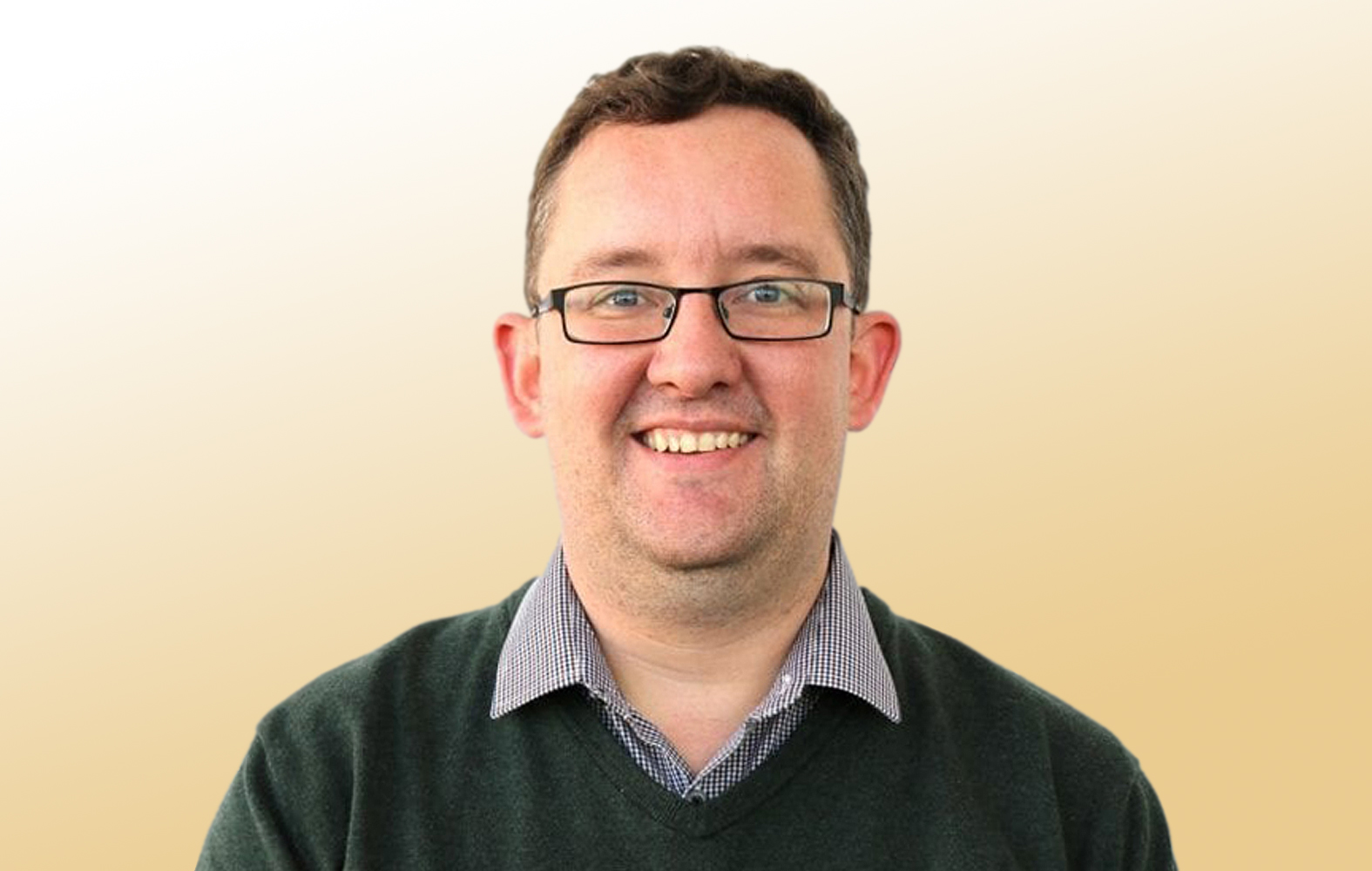
Hello, my name is Jason, and I’m the Managing Director of the West Yorkshire and Harrogate Cancer Alliance. We are an organisation which brings partners together to transform cancer care and outcomes for all.
World Cancer Day was on 4 February this week. This year it championed under the headline, United by Unique. To give you an idea of its global reach, the number of social media impressions (the total number of times content appears on someone’s screen) in its campaign will likely outnumber the population of the world. This is a staggering impact and reach and we do pale by comparison but we’re still very proud to support this message in the Cancer Alliance all the same.
Please do your bit to help us catch up by following us on LinkedIn - West Yorkshire and Harrogate Cancer Alliance, X (Twitter) - @WYHCanAlliance), Facebook - @WYHCancerAlliance or our website if you don’t already do so.
In its call to action, the Union for International Cancer Control calls out the fundamental shift we need to see in cancer care and health systems worldwide. This is one which focusses on a people-centred approach to cancer, as opposed to just the disease. This call reminds us that cancer care is not an isolated silo in health system design and delivery, and further that our approach to tackling cancer must never be narrowly focussed on single issues, or introspective in outlook.
To think otherwise would be to overlook the profile and impact of cancer as the number one cause of premature mortality in parts of West Yorkshire and Harrogate.
Quite often when we think of and speak about cancer, and there’s been huge progress in making cancer an everyday conversation, we initially revert to our ideas around what describing what it is or how it’s treated. We speak of the stage, the lump, the tumour. Or we talk about chemotherapy, radiotherapy, surgery, hospitals and so on. Others frame their experiences around the parts of the NHS system which either did or did not work when they interacted with them.
But as the campaign identifies, behind every diagnosis of cancer lies a wider and unique human story. This unique human story is felt by the person, their loved ones, their communities and their wider networks. Stories of grief, pain, healing, resilience, care, love and more are all built into the tapestry of the lived experience of cancer. Cancer is a deeply personal matter. However, the common threads of our unique stories are built into our collective psyches of what it is and what it feels like to be human and how the trauma of cancer touches us all.
Commentaries about cancer care and services, and the fantastic people who commit their lives to making those of others better, must always be rooted in empathy, respect and understanding. This is a point which remains true even when difficult truths and challenging messages must be imparted. Recognising the personal story alongside the prognosis, the clinical diagnosis alongside the compassion, and targets and treatment options alongside the trauma, are all what ultimately lead to the best, holistic health outcomes when it comes to cancer care.
World Cancer Day this year also coincides with the launch of the National Cancer Plan for England, an important day in the cancer policy circle. There are a few points to make:
First, it is a good thing that cancer has its own national plan. Some people have said to me that cancer is isolating itself within the NHS Operating Model by having a discrete plan. I don’t agree. And neither did most of the 11,000 contributors to the engagement exercise. To me, it is vital that cancer does have its own plan, and I’m pleased that it does. The reason why is that we must resist the temptation to always generalise and aggregate health policy and its application for the sake of simplicity, when what we are dealing with is nuanced and complex. A National Cancer Plan makes sure that the unique nature of cancer population health priority is not lost within the vast array of wider challenges faced by the health and care system at large, as illustrated in the new Operating Model. There is a responsibility incumbent upon all of us to integrate our wider thinking with the core points made in the National Cancer Plan, ultimately making sure that we don’t position cancer care into a silo.
Second, there is much to say about the realities of excess cancer incidence and what it means. Also, the need to sincerely tackle the health inequalities which lead to unequal outcomes based on where people live, their background and their other chances in life. Truthfully, none of this is designed or planned for. Why it happens is indeed very complex but very complex is not the same as defendable. What’s not defendable must be acted upon.
Third, the focus on all cancers, not just those which are most experienced and diagnosed, is truly welcome. As is the digital agenda and the developments in genomics and research practice. Policy focusses on rarer cancers, and ending the disparity in emphasis between cancers diagnosed in adults versus children and young people, are all clear signals around where we must also realign our efforts across the life course of this plan.
Additionally, the prominent role and need for decisive national policy and legislation in areas such as tobacco control, ultraviolet light exposure, air pollution, diet, physical activity, alcohol intake, vaccination and screening and substance misuse are all welcome highlights. Indeed, I was particularly pleased to read of the commitment on stronger regulation of sunbed use which I started calling for at the start of my NHS career some 20 years ago. Plans of previous generations have arguably overlooked these areas, possibly because they were perceived not to be about the NHS or because we put them into another silo.
Action on avoidable cancers will help to avoid at least some of the excess incidence of around four in ten diagnoses. But this also misses the point that six out of ten cancers are not avoidable. The sad fact is that this will remain true even if all opportunities to maximise the potential of prevention were realised. And it would remain true if all the stubborn gaps in our early diagnosis and survival rates were closed.
As we do better in managing other long-term conditions, we will also become members of a society which experiences cancer more frequently and for longer. Up to one in two people will still be affected by cancer at some stage in their lifetimes. Their experiences of care will on average begin earlier than, and last more than, 62 times longer than the 62-day period we track against the national target. Delivering the best possible experience across this complete journey of care is truly important to recognise and deliver against.
Cancer is, and will become more of a chronic, long-term condition in future generations. The needs of people will become increasingly more complex. People will present with more clinical co-morbidity and more clinical frailty. NHS patients in the future will rightly expect to receive the best care which is available depending on their presentation. As a result, they will receive more, and more personalised, treatment interventions. The necessary burden of cancer care will come at a greater financial, workforce and societal cost in response. We must plan based on this certainty and what it means for future policy intervention in both holistic and realistic terms.
Or, as Eisenhower put it, “in preparing for battle, I have always found that plans are useless, but planning is indispensable.”
The question for cancer is certainly one of reform, and on that most if not all would agree. The pillars of change outlined in broader NHS policy certainly apply to cancer policy in equal measure. But part of the larger question is planning effectively for the disease burden which we will inevitably need to navigate together as a society and across the generations which are responsible for this, and subsequent, cancer plans.
The welcome commitment to cancer alliances, when given the autonomy to work independently in shared purpose and with ringfenced funding, is another one of the good parts of the overall answer proposed in this National Cancer Plan. We will be delighted to share with you the fantastic contributions being built and delivered with partners in West Yorkshire and Harrogate as we convene the system together at our conference in June.
In short, the true story told in the National Cancer Plan feels ultimately the same as United by Unique. To understand both, we must re-commit ourselves to seeing cancer as a deeply personal matter and shared issue of responsibility.
If we see the cancer challenge as being built into our psyche of what it is and what it feels like to be human, then we will express collegiately and together, the right choices to plan well.
And, by planning well, we will deliver the best possible outcomes that we all should aspire to. In doing so, we shall continue to act for the benefit of people affected by cancer, who we are here to serve together.
Have a good weekend.
Jason
What else has been happening this week?
ICB organisational change
The latest ICB organisational change update is available on our website.
World Cancer Day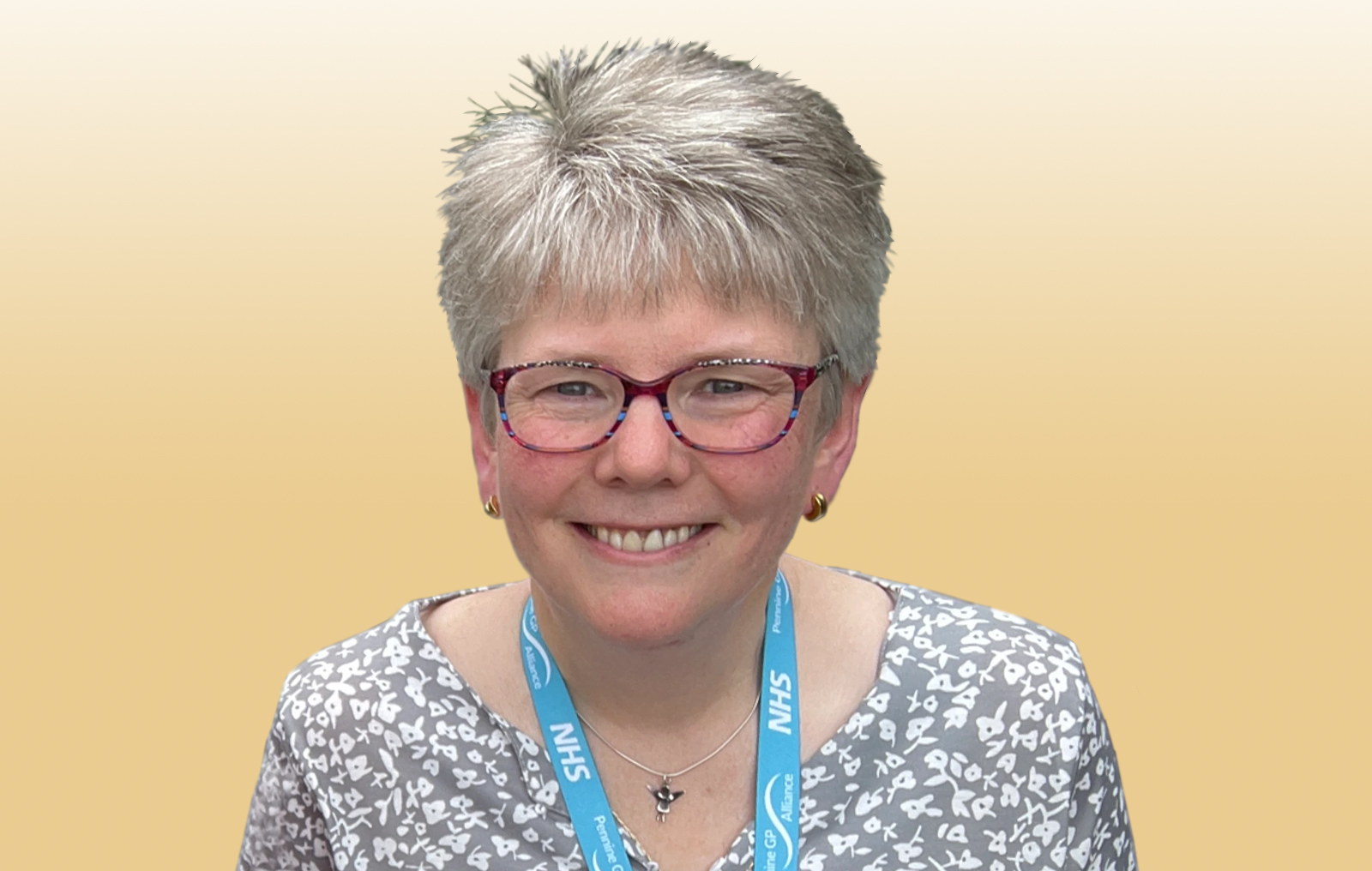
To mark World Cancer Day on 4 February, Dr Eilidh Gunson, Primary Care Cancer and Palliative Care Improvement Lead with Pennine GP Alliance, has written a blog about her role and the importance of remembering that every person affected by cancer should be treated as an individual.
National cancer plan published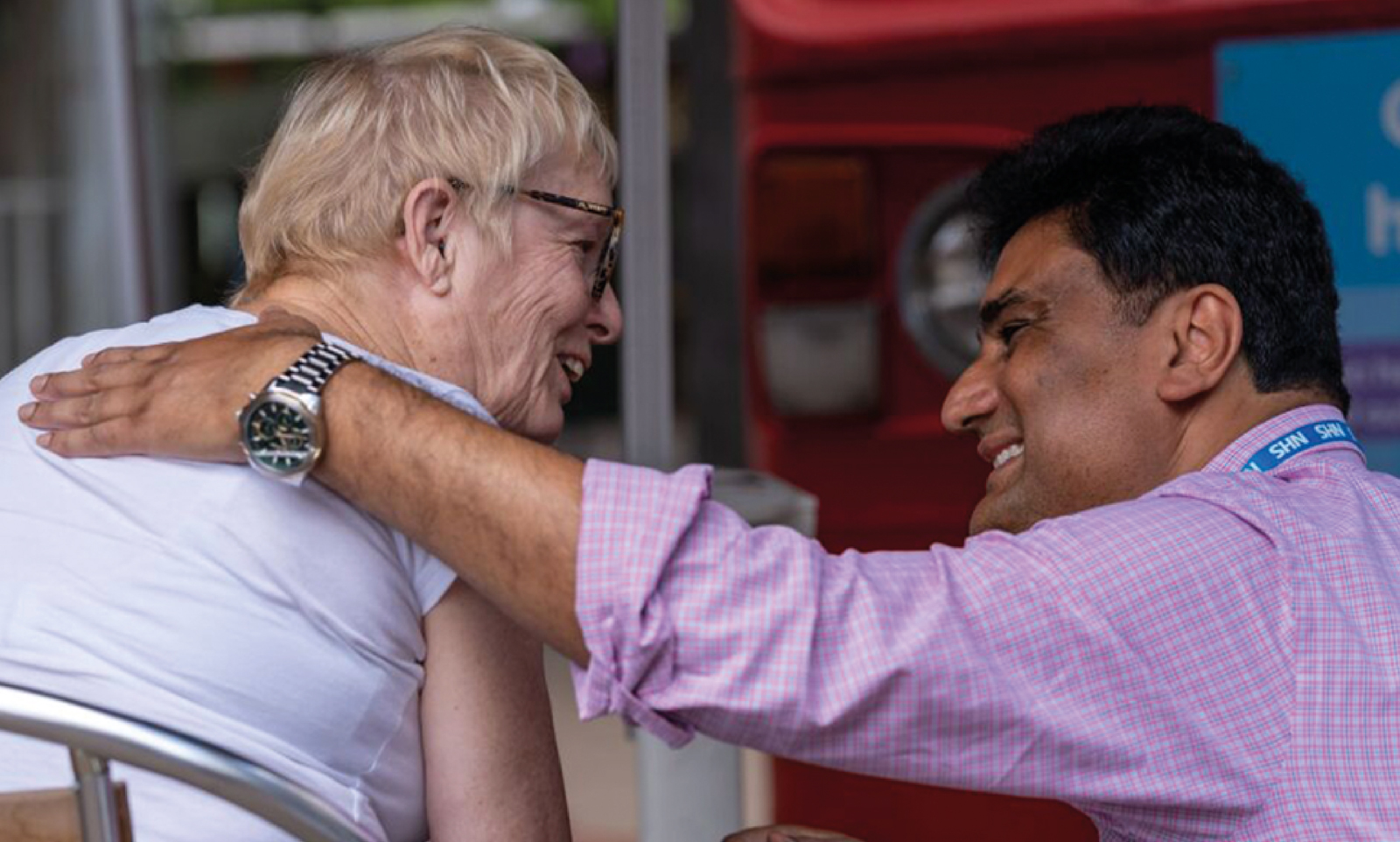
The National Cancer Plan sets out how the NHS will improve cancer care so that 3 out of 4 people diagnosed with cancer survive for 5 years or more by 2035.
The plan has been shaped by an extensive call for evidence exercise, held from 4 February to 29 April 2025. The more than 11,000 responses received have played an essential role in developing the plan.
Supporting mental health and a return to work
Vita Health Group is delivering NHS Talking Therapies alongside employment support to help people stay in work or return to work as part of their mental health recovery. The service is delivered as part of Healthy Working Life, a joint programme of the West Yorkshire Combined Authority and NHS West Yorkshire Integrated Care Board.
By offering therapy and employment support at the same time, the service provides a joined-up approach that helps people explore their options, rebuild confidence and return to work at a pace that feels safe and manageable. To find out more, read our latest case study on the Healthy Working Life section of the Partnership website.